Am I Covered if I Let Someone Else Drive My Car
In most cases yes, because your insurance follows the car, not just you, as long as the driver had your permission.
Lending Your Car to a Friend for the Weekend
Say a friend asks to borrow your car while their own is in the shop. You hand over the keys without thinking much about insurance, because you assume your policy will handle anything that happens. That assumption is correct in most cases. Your policy is tied to the car, so when you give someone permission to drive it, your coverage extends to them for that trip.
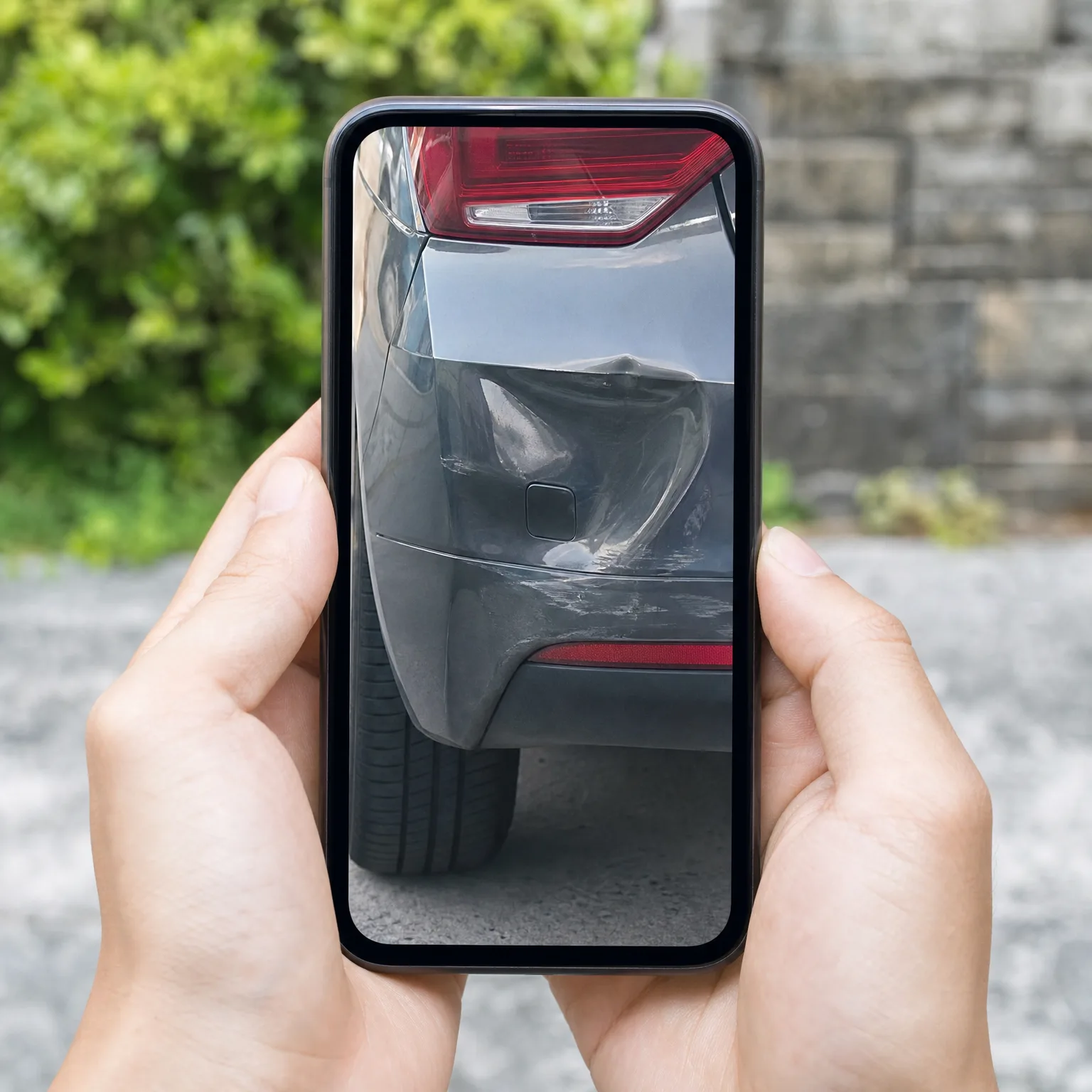
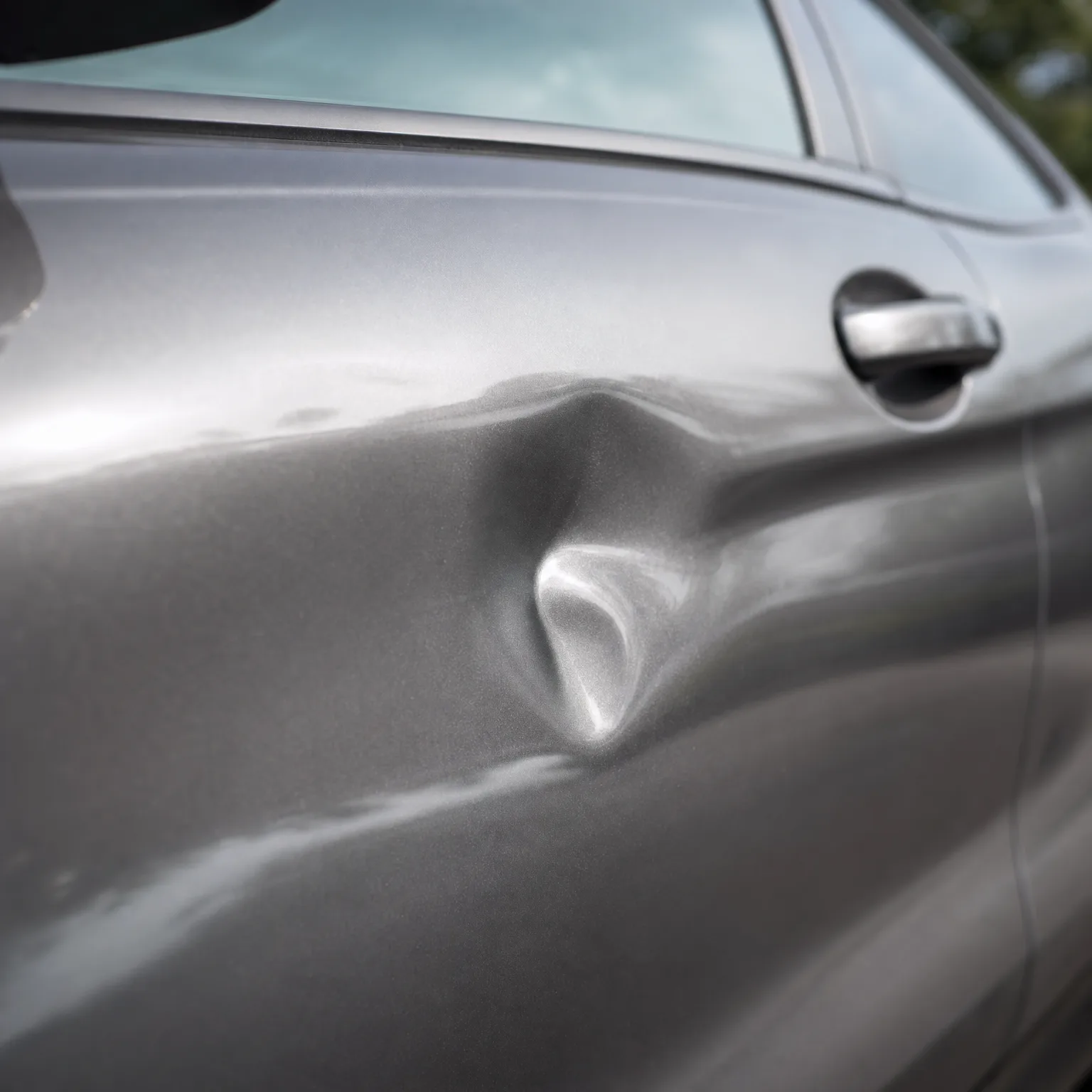
Then say your friend backs into a parked car in a lot. Your insurance pays for the damage, the same way it would if you had been driving, because the policy on the car is what responds first. Your friend's own insurance, if they have any, would only come into play if the damage went beyond what your policy covers. Afterward you check your policy details and confirm who counts as a permitted driver, just so you know before it happens again.
Does letting someone drive my car raise my own rates?
It can, but only if there's a claim. Simply lending your car and nothing going wrong has no effect on your rate. Insurers price based on claims history and risk, not on every person who ever sat behind the wheel.
If the person you lent your car to causes an accident, the claim goes against your policy because the car was insured under your name. That claim can affect your future rates the same way it would if you had been driving. This is why it matters who you hand your keys to, and why occasional, permitted use is very different from letting someone drive your car regularly without telling your insurer.
Your insurance protects the car itself, so the real question is who had permission, not who was driving.
Once you know how your coverage follows your car, compare quotes to find a policy that keeps that protection solid.
What Actually Determines Whether You're Covered
- Permission matters most If you gave someone clear permission to drive your car, your policy almost always covers them. Keep that permission casual but real, and avoid handing over your car to someone you haven't actually agreed to let drive.
- List your regular drivers Occasional use is different from someone who drives your car often, like a partner or roommate. If someone uses your car regularly, add them to your policy so there's no question about coverage later.
- Excluded drivers lose coverage Some policies let you formally exclude a specific person from coverage, often after a issue with that driver. If someone is excluded on your policy, your insurance will not cover them no matter the circumstances.
- State rules on permission vary Some states follow the car for any permitted use, while others look more closely at the relationship between you and the driver. Check your policy wording or ask your insurer directly about how your state handles this.
- Unauthorized use changes things If someone takes your car without asking, or drives despite not being licensed, coverage can be denied. Be clear with anyone you hand your keys to about whether they're licensed and allowed to drive.
What happens if my car gets stolen and the thief causes an accident?
Your insurance generally does not cover the thief, since they had no permission to drive your car. The accident becomes the thief's liability, though your own policy may still cover damage to your car itself if you have the right coverage. Report a stolen car immediately, since that report is what separates permitted use from theft in the eyes of your insurer. If you delay reporting, it may be harder to prove the car was taken without your consent.
Can I add someone to my policy just for one trip?
Most insurers don't offer single-trip add-ons, but a permitted driver usually doesn't need to be added for occasional use anyway. If someone will drive your car regularly, even temporarily, call your insurer and ask whether a short-term addition makes sense. Rules on this vary by insurer, so it's worth asking directly rather than assuming. If the arrangement is truly a one-time loan, simple permission is typically all that's needed.
Does it matter if the person I lend my car to has their own insurance?
It can, but your policy usually responds first since it's tied to the car. If damage exceeds what your policy covers, the driver's own insurance may step in to cover the difference. This mainly matters in serious accidents with costs beyond typical limits. Ask your insurer how your coverage interacts with a guest driver's own policy, since the order of responsibility can vary by state and by company.