
Are Licenses and Permits the Same Thing
No, a permit is practice under someone else's coverage, while a license means you're the one responsible for your own policy.
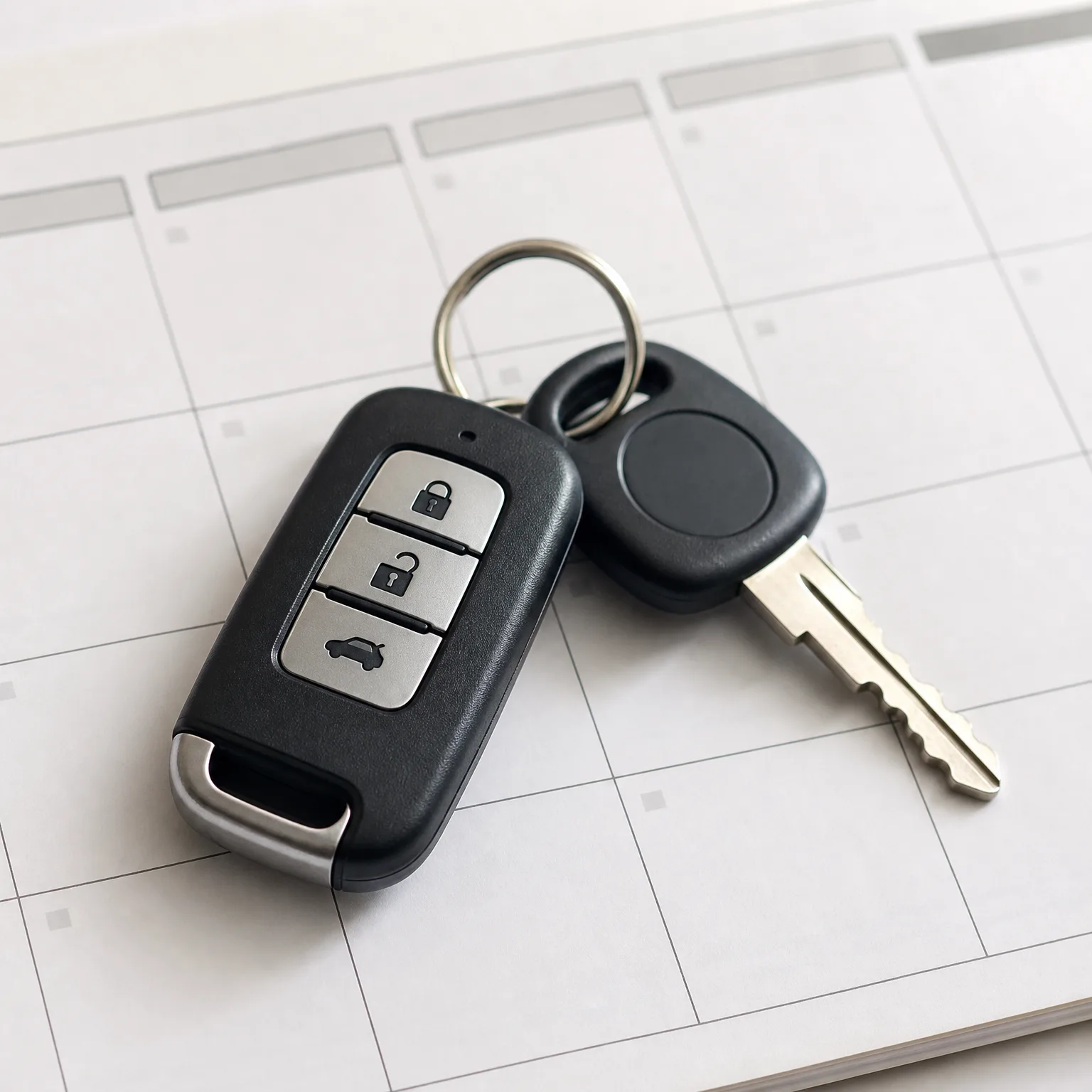
What separates a permit from a license
- Who's responsible With a permit, the licensed driver next to you carries the responsibility and usually the coverage. Once you're licensed, that responsibility shifts to you and your own policy.
- Whether you need your own policy You typically don't need a separate policy while permitted if you're practicing in an insured car with a licensed driver. Check with the policy's insurer before you start driving, so there's no surprise later.
- How long you can wait A permit doesn't expire into a license automatically, you have to test for it. Ask your state how long a permit lasts, so you don't let it lapse before you're ready.
- What happens when you pass The day you get your license, you stop being covered as a permitted driver and become a driver who needs to be named on a policy. Call your insurer that week, not months later.
- Building your own record Your driving record starts the day you're licensed, not the day you got your permit. Every month you drive without a claim or ticket after that is what eventually brings your rate down.
Do I need my own insurance the moment I get licensed?
Yes, in the sense that someone's policy has to cover you, but it doesn't have to be a brand new policy in your own name. If you're going to be driving a car that someone else already insures, like a parent's or a partner's, the simplest move is usually to be added as a driver on that existing policy.
If you'll be driving your own car, or there's no household policy to join, then you need a policy of your own starting the day you're licensed. Either way, the point is that an uninsured licensed driver is a real risk, both legally and financially, so this isn't something to put off. Call before you drive, not after.
Now that you know whether you need your own policy or a spot on someone else's, compare quotes for the one that fits.

Getting your own policy right when you're licensed
If you do
You call insurers the week you're licensed, get quotes, and pick a policy before you drive solo. Your coverage starts clean, your record starts building immediately, and there's no gap where you're driving uninsured without realizing it.
If you don't
You keep driving on someone else's policy without telling anyone you're licensed now, or you delay getting your own coverage. If something happens, the policy may not cover you properly, and you could face costs and legal trouble on top of the accident itself.
Can I drive alone with just a permit?
Usually no, a permit requires a licensed driver with you, but the exact rules depend on your state. Some states allow limited solo practice under specific conditions. Check your state's permit rules directly, since this varies more than most people expect and the restrictions matter if you're stopped.
Will my rate be lower if I had a permit for a long time?
Not by itself. Insurers look at how long you've held a license, not how long you held a permit, since permit time is supervised and doesn't show them how you drive alone. What lowers your rate is time licensed with a clean record, so that clock only starts once you're licensed.
Should I get my own car or stay on a household policy?
That depends on whether you'll mainly drive one car or share several, and whose name the car is in. If you're sharing a household car, staying on that policy is usually simpler and cheaper. If you're buying your own car, you'll likely need your own policy regardless of your age.
What really changes isn't the license, it's the day a policy must carry your name. Plan for that day.