Buying Your First Car as an Adult
Pick a reliable, modest car, get insurance quotes before you sign, and expect your rate to drop as you build a record.

What actually matters when you buy your first car
- Quote insurance before you buy The car you pick changes your insurance cost more than almost anything else. Get quotes on two or three specific cars before you commit to one.
- Choose a common, modest car Common, inexpensive cars are cheaper to insure because parts and repairs cost less. Avoid anything sporty, new, or unusual if you want to keep costs down early on.
- Financing affects coverage A loan or lease usually forces you to carry more coverage than the state minimum. If you're buying outright, you get to choose your own coverage level instead.
- Build your driving record Your lack of driving history is temporary and insurers will treat you differently once you have a clean record. Keep the same insurer for a while once you find a fair rate, since consistency helps.
- Check your state's rules Minimum coverage requirements and how insurers weigh a late start vary by state. Look up your specific state's requirements before comparing quotes.
Will my rate stay high forever because I started driving late?
No. The high rate you see now reflects the absence of a driving record, not a permanent judgment about you as a driver. Insurers price risk based on what they can measure, and right now the only thing they can measure is that they have no history on you. That's different from a history of problems.
Once you accumulate time behind the wheel without incidents, your rate will come down, often faster than people expect. Most insurers reassess at renewal, so every renewal period without a claim or violation works in your favor. How quickly it drops and by how much varies by insurer, so when you compare quotes, ask each one directly how they treat new drivers over time.
The practical move is to stay insured continuously and avoid gaps, since a gap can reset the clock in how some insurers view you. Shop around again after your first renewal period to see if a better rate has opened up.

Whether you get your own policy or join someone else's
If you do
Getting your own policy means the record you build belongs to you alone. Every clean year counts toward your own future rates. It costs more upfront since you have no history, but you're not tied to anyone else's driving or decisions, and you can shop freely once your record improves.
If you don't
Joining a family member's or partner's policy as a listed driver usually costs less right away, since you benefit from their existing record. But any claim you cause can affect their rate too, and if that policy ends, you may need to start building your own history from zero at that point.
Compare quotes on the specific car you're considering so insurance cost is part of the decision, not a surprise after.
Why a late start costs more and why that changes fast
Insurance pricing is built on predicting risk, and the main tool for that prediction is history. When an insurer has years of data showing you drive without claims, they can price you with confidence. When they have none, they treat you the way they'd treat anyone with the same blank record, regardless of your age. This is why a 35-year-old with no driving history can see pricing closer to a new driver than to an experienced one.
The car you choose interacts with this lack of history in a specific way. Because the insurer can't yet rely on your record to estimate risk, they lean more heavily on the car's own risk profile, how expensive it is to repair, how often that model gets stolen or gets into accidents. A modest, common car reduces the insurer's uncertainty on that side of the equation, even while your personal history is still unknown.
Financing adds another layer that's separate from your driving record entirely. Lenders require coverage that protects their investment in the car, not just the state minimum that protects other people on the road. This is true no matter how experienced a driver you are, so don't mistake a financing requirement for a judgment about your risk as a new driver.
Where this plays out differently is by state and by insurer. Some insurers have specific programs or pricing tiers for adults with no driving history that treat them more favorably than a teenager with the same blank record, recognizing that age itself correlates with more cautious behavior. Others don't make that distinction at all. This is exactly why comparing quotes matters here, since the gap between insurers can be wide for someone in your position.
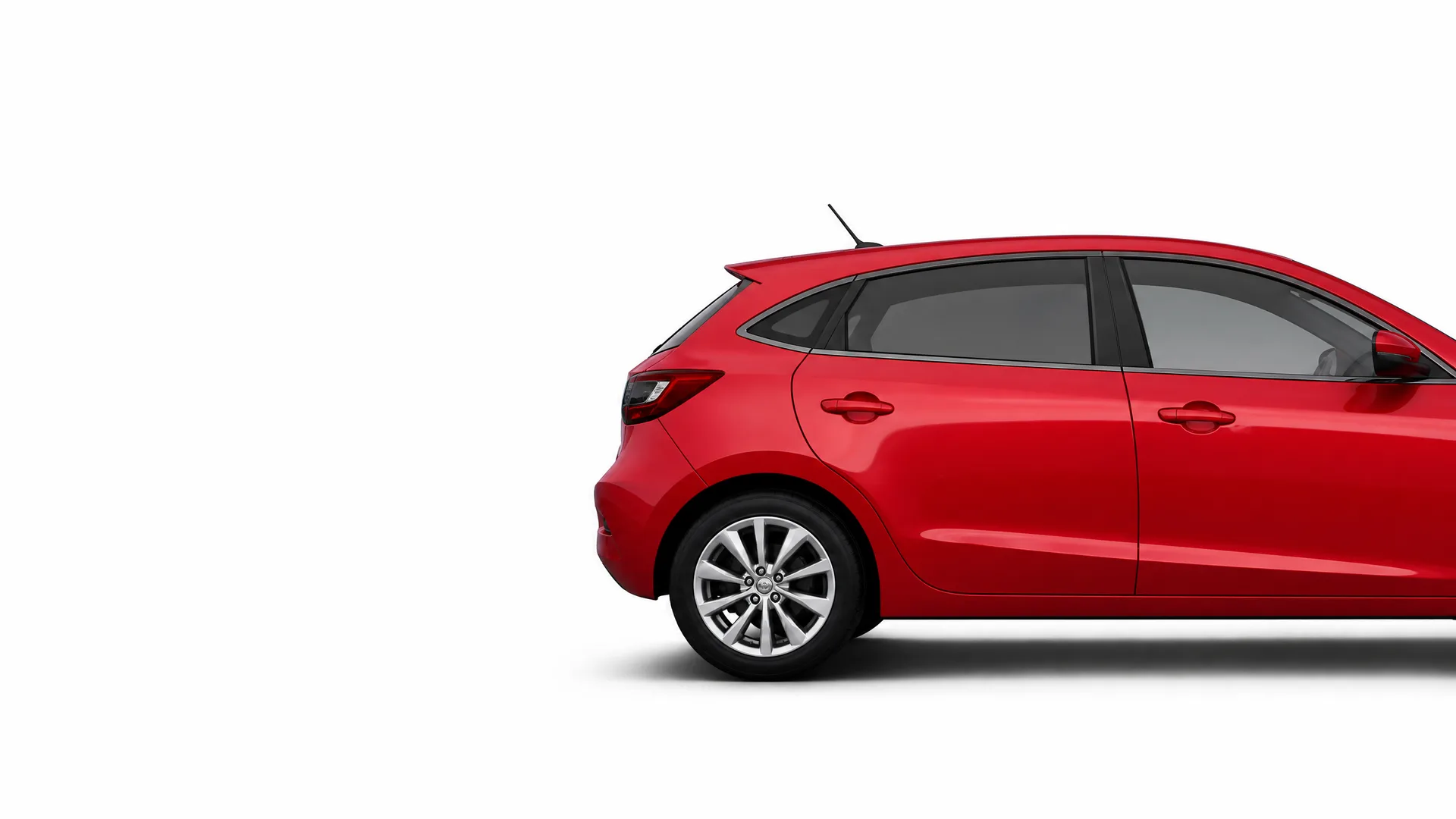
Your blank record is temporary, not a life sentence, and it starts correcting once you start driving.
Do I need insurance before I even buy the car, like while practicing?
Yes, if you'll be driving any car, including a borrowed or dealership one, you need to be covered first. Many people practice on a family member's insured car as a listed or occasional driver before buying their own, which is often the cheapest way to gain experience. Check with that policy's insurer about adding you temporarily, and confirm the rules for test drives at dealerships, since some require proof of insurance before you can drive off the lot.
Should I buy a used car or a new one as a first-time owner?
A used car is usually the more practical choice when you're also building a driving record for the first time, since it lowers both the purchase cost and the insurance cost together. New cars cost more to insure because they cost more to repair or replace. If you do want a new car, get insurance quotes on it first, since the combination of no driving history and a new car can push the cost higher than you'd expect.
Will my rate really drop after one year of driving, or does it take longer?
It depends on the insurer, since some reassess risk at every renewal while others wait longer to adjust pricing for new drivers. A full year with no claims or violations is usually the first meaningful milestone that insurers recognize. Ask any insurer you're considering how they handle rate reviews for someone with a short driving history, since this varies and directly affects how soon you'll see the cost come down.