
Can a Drunk Person Supervise a Learner Driver
No. A supervising driver has to be sober, licensed and fit to take control at any moment, and a drunk person meets none of those conditions.
The supervisor is treated as a driver, not a passenger
The whole idea of a supervised learner is that there are two people legally capable of driving, even though only one has hands on the wheel. The supervisor has to be able to react instantly, take over verbally or physically, and make judgment calls the learner can't yet make alone. A drunk adult fails that test the same way they'd fail it behind the wheel themselves. The law doesn't carve out an exception just because they're in the passenger seat.
This matters for insurance because most policies and most state rules define a qualified supervisor as someone who is licensed, sober and legally fit to drive the vehicle in that moment. If the supervisor doesn't meet that standard, the learner may effectively be treated as driving unsupervised and unlicensed, which is a very different situation in the eyes of an insurer or a police officer.
What counts as a qualified supervisor does vary by state, including minimum age, years licensed and whether they need to hold a specific class of license. Check your state's learner permit rules directly, since they set the baseline that your insurer will also expect you to follow.
There's no scenario where impairment is treated as a minor technicality here. If something goes wrong on a drive where the supervisor was drunk, both the supervision requirement and the insurance coverage can be challenged at the same time.
What should you do if your usual supervisor has been drinking?
Don't drive. Find another licensed, sober adult to supervise instead, or wait until your original supervisor is sober. If no one else is available, treat it the same as any day without a qualified supervisor and simply don't take the car out.
This isn't just about avoiding a ticket. If you drive with an impaired supervisor and something happens, you're in a much weaker position with your insurer, and possibly without any coverage at all for that drive. It's a short-term inconvenience against a much bigger risk, and it's not close.

Driving anyway with a drunk supervisor versus waiting
If you do
You're driving without a legally qualified supervisor, even though someone is sitting next to you. If you're stopped, it can be treated like driving unsupervised. If you're in a crash, your insurer can investigate whether a valid supervisor was present and may deny the claim entirely.
If you don't
You lose the drive for that day, nothing more. Your learning record and your insurance standing stay exactly as they were. You wait until a sober, licensed adult is available, which protects both your permit status and your ability to make a claim if anything ever goes wrong later.
Now that you know what a qualified supervisor needs, compare learner driver insurance quotes with confidence.
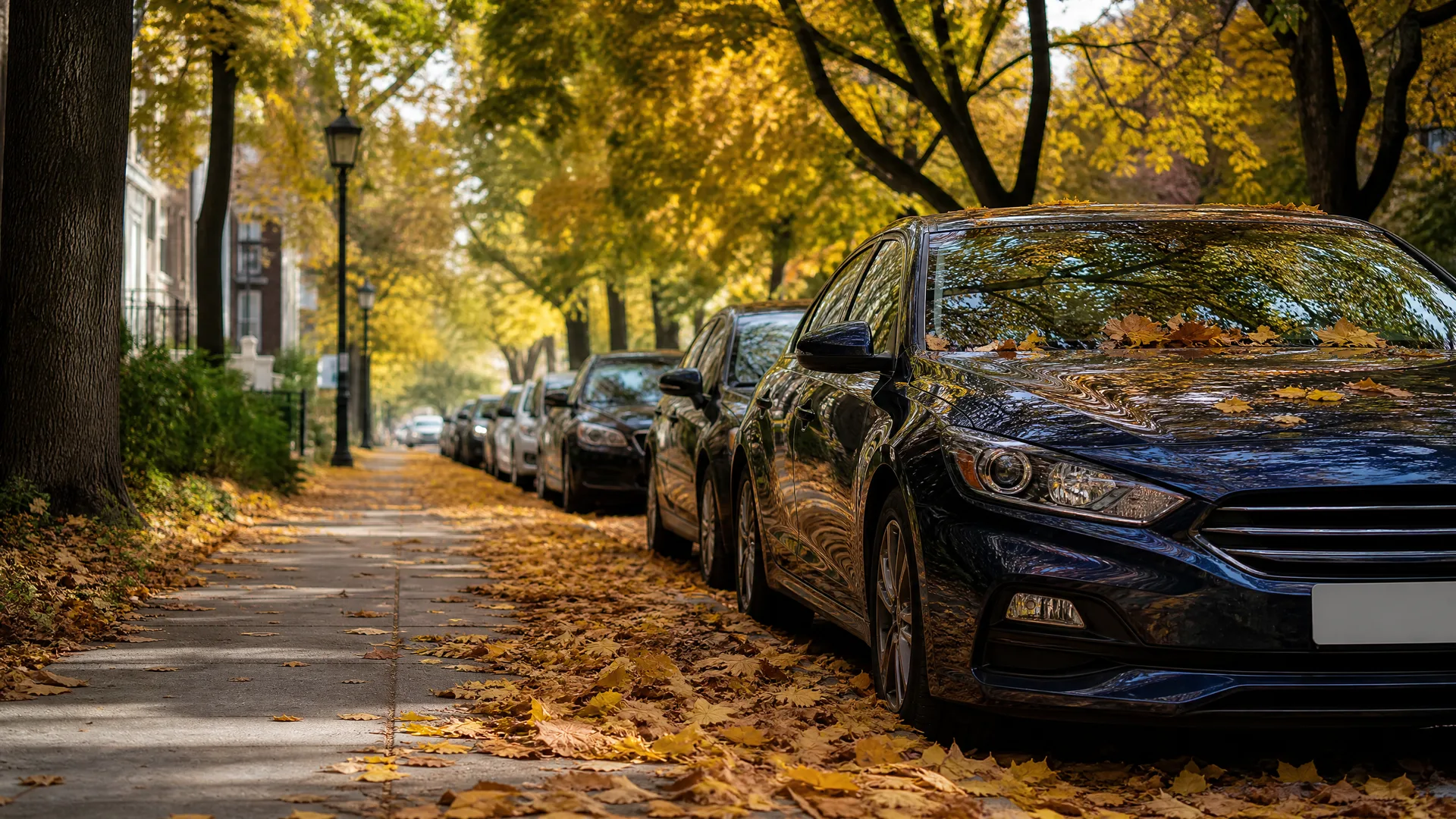
A learner whose only supervisor had been drinking
Someone building hours toward their test lived with one parent who usually supervised their practice drives. One evening after a family dinner where that parent had been drinking, the learner still wanted to get in a planned practice session before it got dark. Instead of driving anyway, they called a neighbor who was a licensed, sober driver and asked if they'd ride along instead.
The neighbor agreed, and the drive went ahead as planned with a qualified supervisor in the car. Nothing dramatic happened on that drive, but the learner later realized how different their position would have been if they'd gone out with the parent instead and been stopped or involved in even a minor incident. Having a backup supervisor in mind became part of how they planned every practice session after that, not just an emergency fix.
Treat the supervisor's fitness to drive as part of your own legal and insurance protection, not just theirs.