Can a Friend Drive My Car and Be Covered by Insurance
Most car insurance follows the car, so a friend driving with your permission is typically covered under your policy.

What actually determines coverage when you lend your car
- Permission matters most If you said yes, even just once, your policy generally extends to that drive. Keep it simple by only lending your car when you're sure, and say so clearly.
- Your policy pays first Your insurance is the primary coverage, not your friend's. If they cause damage, your rates and claims history are the ones affected.
- Regular drivers need listing If a friend borrows your car often, insurers may expect them listed on your policy. Ask your insurer what counts as 'occasional' versus 'regular' use.
- Excluded drivers break this If you specifically excluded someone from your policy, lending them your car voids coverage for that drive. Check your policy documents for any named exclusions.
- State rules can shift details Some states handle permissive use differently, especially around liability limits. Check your state's rules or ask your insurer directly before assuming.

When a weekend loan turned into a real test of the rules
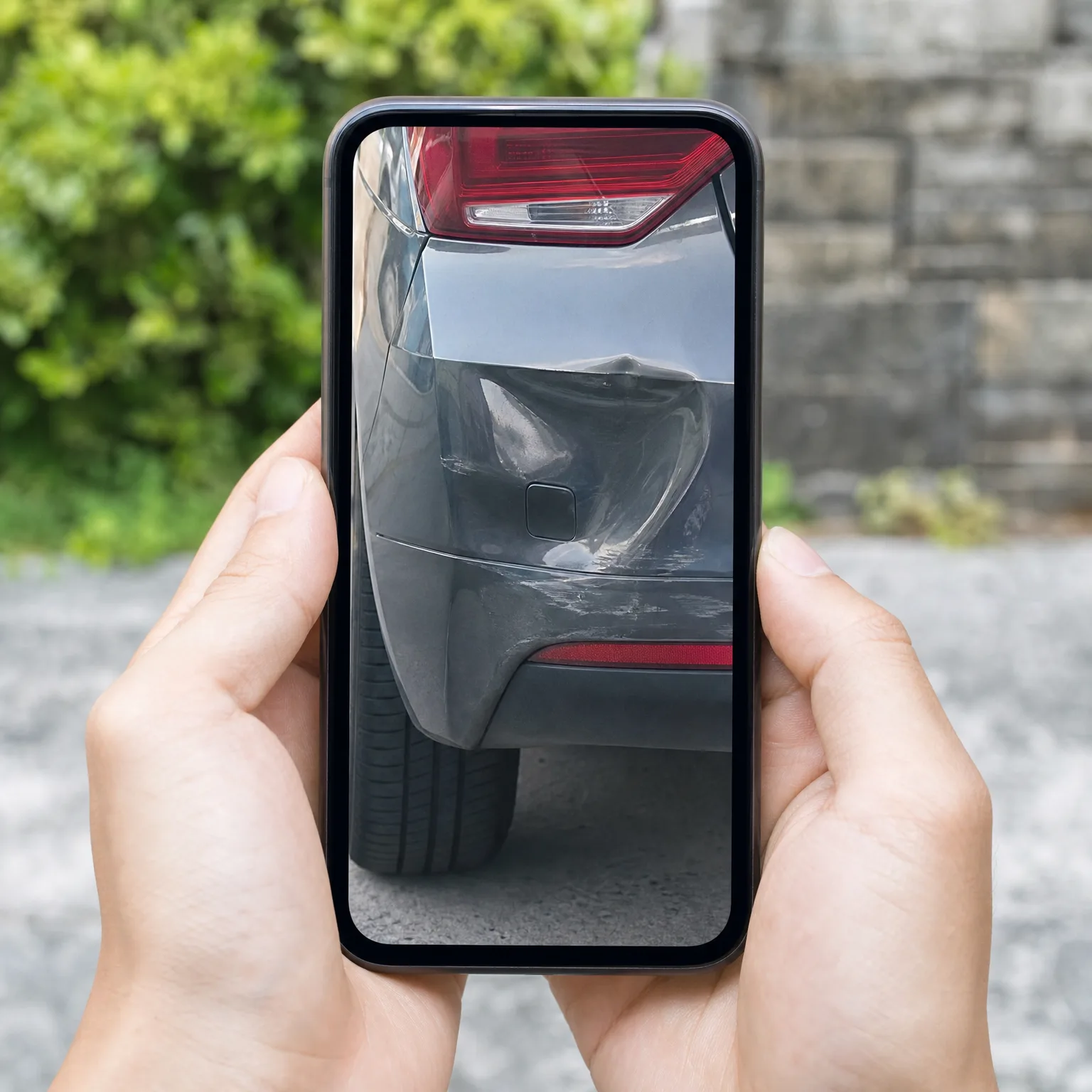
You lent your car to a friend for the weekend while yours sat idle and theirs was in the shop. You didn't think twice about it, since you'd done this before with no issues. Partway through the weekend, your friend backed into a parked car in a lot, causing damage to both vehicles. You weren't present, you hadn't restricted the loan, and your friend had a valid license.
Because you had given clear permission and your friend wasn't excluded on your policy, your insurer treated the claim as if you had been driving. Your policy paid for the damage, and the claim went on your record rather than your friend's. You talked to your friend afterward about covering any increase in your premium, which they agreed to, but that was a personal arrangement, not something insurance required. The outcome would have been different if you'd never allowed the loan or if your friend had been excluded by name.
What if my friend has their own car insurance?
It usually doesn't matter. Your policy is primary because it follows the car, not the driver, so your friend's own insurance rarely gets involved unless your coverage runs out.
If the damage or injuries are large enough to exceed your policy's limits, your friend's insurance might step in to cover the remaining amount, acting as a backup rather than a replacement. This is one reason it helps to know your coverage limits before lending your car regularly, especially to someone who drives often or drives a lot of people around. For an occasional loan, this backup scenario is rare, but it's worth understanding before an emergency makes it urgent.
Now that you know how coverage follows your car, compare quotes to make sure your policy backs that up.
Why coverage follows the car and not the driver
Auto insurance is built around the vehicle because that's the asset with predictable risk. Insurers price a policy based on the car, where it's driven, and who typically drives it, so when you let someone else take the wheel with your blessing, the policy doesn't suddenly disappear. This is called permissive use, and it's a foundational assumption behind how personal auto policies are written almost everywhere.
The logic holds because insurers expect occasional sharing. Families lend cars to each other, neighbors help each other out, and friends cover for each other when life gets complicated. If coverage vanished every time someone else drove, the entire product would be impractical for how people actually use cars. So insurers build in permission as the deciding factor, not whether the driver is related to you or lives in your house.
Where it gets more complicated is frequency and intent. If someone drives your car regularly enough that they've basically become a second driver of that vehicle, insurers start to see the car's risk profile as shaped by that person too. That's when they may require the driver be added to your policy, since the original pricing no longer reflects reality. It's not about trust, it's about whether the numbers behind your premium still match how the car is actually used.
Exclusions work the opposite way. If you've told your insurer not to cover a specific person, often because of their driving history, that overrides permissive use entirely. The exclusion exists precisely to prevent the coverage gap from being used as a workaround, so lending your car to that person removes your protection for that drive, no matter how well you know them.

Does letting a friend drive affect my ability to get cheaper rates later?
It can, if they cause a claim. Since the claim goes on your record as the policyholder, it factors into your future pricing the same as if you'd been driving. If you lend your car often, think about how that risk adds up over time, not just in the moment. Ask your insurer how claims from permissive use are treated versus claims you cause yourself, since some insurers distinguish between the two when looking at your long-term history.
Can I limit who's allowed to drive my car without excluding them completely?
Not usually in a formal way, since most policies work on a simple permission basis rather than a tiered list. What you can do is set your own personal rules, like only lending your car for certain situations or confirming before every loan. If you want formal limits, the only real mechanism insurers offer is exclusion, which removes coverage entirely rather than restricting it. Ask your insurer if they offer anything in between, since this does vary by company.
What happens if my friend was using my car for work like deliveries?
Personal auto policies typically exclude commercial use, so coverage can disappear if your car was being used to earn money at the time of an accident. This applies regardless of who was driving. If a friend borrows your car for anything resembling gig work or business errands, check your policy's commercial use exclusions first, since this is one of the more common gaps people don't expect until a claim gets denied.