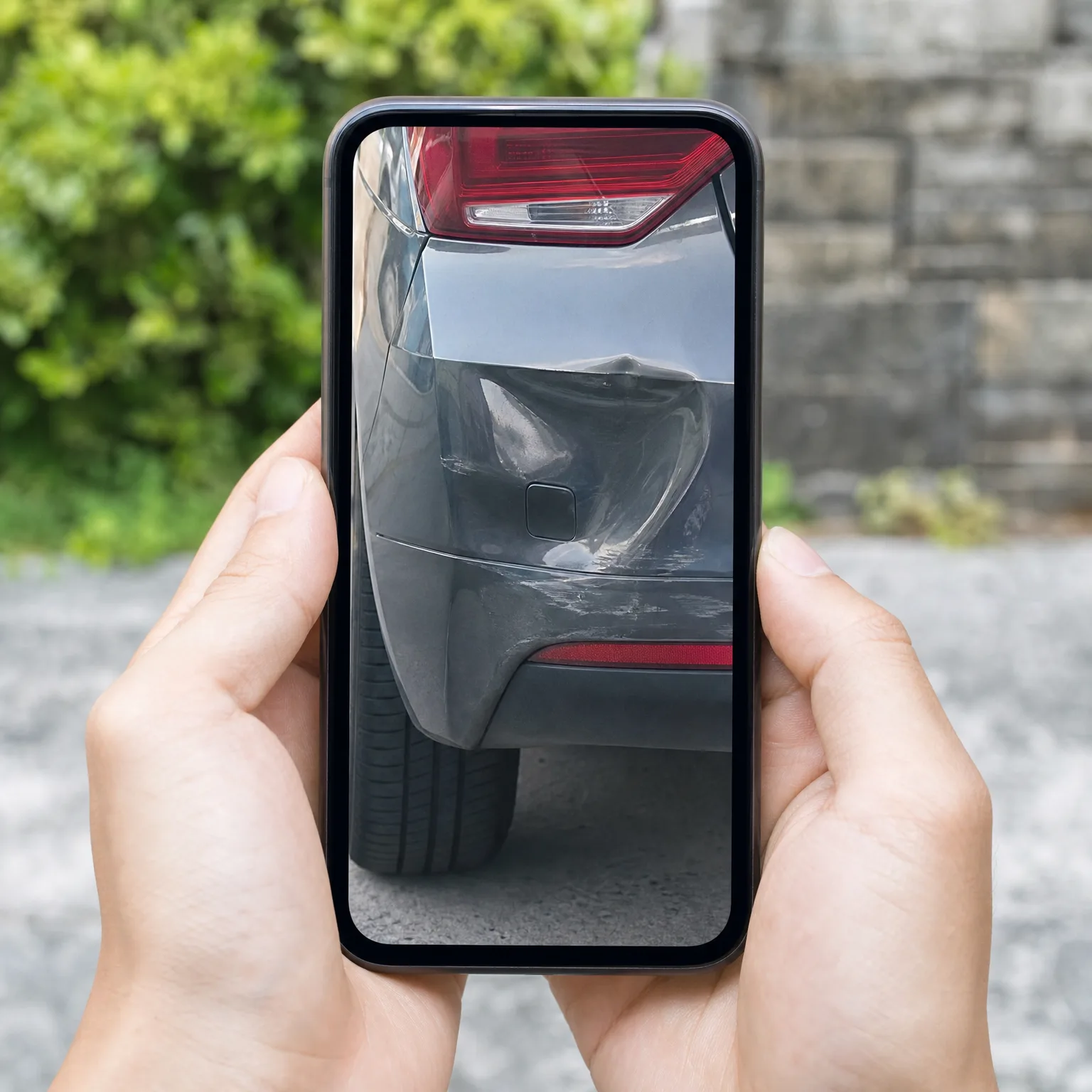
Can an Adult Child Living at Home Have Car Insurance
Yes, you can be insured while living at home, on your own policy or added to a parent's, depending on who owns the car.
What decides how you get covered
- Whose name is on the car title If you own the car, the policy usually needs to be in your name. If a parent owns it, you can often be added to their existing policy instead.
- Your driving history so far A short or new driving record usually means higher rates no matter whose policy you're on. Ask for quotes both ways before deciding, since the difference can be larger than expected.
- Who else drives the car If parents or siblings also use the car regularly, it may need to be on a shared household policy. Tell the insurer everyone who drives it, since leaving someone off can cause problems later.
- Building your own record Starting your own policy now, even at a higher cost, begins the history that lowers your rate over time. Staying listed only as a driver on a parent's policy doesn't build that same record under your name.
- State rules on household members Some states require all licensed people in a household to be listed on one policy or named as excluded. Check this with any insurer you're considering before assuming you have a choice.
A new driver deciding between two options
Someone in their early thirties moved back in with a parent after a job change and needed a car for the first time. They had a license but almost no driving history, since they'd relied on transit for years. Their parent owned an older car sitting unused in the driveway, so the first question was whether to add the adult child to the parent's existing policy or buy a car and start a separate one.
They asked for quotes both ways. Adding them to the parent's policy as a driver was cheaper right away, but it meant the parent's record carried the risk and the adult child built no history of their own. They chose to buy a modest used car and start their own policy, accepting the higher initial cost because it meant the next renewal would reflect their own driving, not someone else's. A year later, with no claims, their rate had already improved enough to notice.
Does living with my parents affect my insurance rate directly?
Not by itself. Insurers price based on who owns the car, who's listed as a driver, and your own driving history, not on whether you live with parents or alone.
Where address matters is location, since rates differ by area regardless of your living situation. If you're on a parent's policy, their address and household count. If you have your own policy on your own car, your address still matters, but it's your record driving the price, not your living arrangement. The connection people assume between living at home and insurance cost is really about shared cars and shared policies, not the address itself.
Compare quotes both as an added driver and on your own policy to see which actually costs less for your situation.
Why it works this way
Insurance is priced around risk, and risk is tied to the car, the drivers who use it, and the history those drivers have. None of that depends on whether you live with your parents. It depends on whose name is on the title, who's listed as a driver, and what record each of you brings.
When a parent owns the car, insurers usually want the owner's name on the policy, with other household drivers listed too. This is partly about liability, since the policy follows the car as much as the person, and partly about the insurer wanting a full picture of everyone likely to drive it. Leaving a household member off the policy, especially one who drives often, can cause a claim to be denied later.
When you own the car yourself, even an older one a parent gave you, the policy typically needs to be yours. This is where a thin driving history shows up most clearly, since insurers price new drivers cautiously regardless of age. The adult child in this situation isn't being judged as reckless, just unknown, and that unknown gets more expensive until a record of safe driving replaces it.
The cases where this works out differently usually involve shared ownership or cars that move between household members often. In those situations, ask the insurer directly how they want the car and its drivers listed, since getting this wrong can affect whether a claim gets paid.

Will I pay more for insurance because I have no driving history yet?
Yes, a thin driving history usually means a higher rate at first, regardless of your age. Insurers rely heavily on past driving to judge risk, and without it they price more cautiously. This isn't permanent. Each period without a claim or violation builds a record that typically brings the rate down at renewal. Ask any insurer how they treat new drivers specifically, since some weigh other factors, like age or completed driving courses, more heavily than others.
Should I get my own policy or stay on my parent's as a listed driver?
It depends on who owns the car and whether you want to start building your own insurance record. Staying listed on a parent's policy is usually cheaper short term, but the history builds under their name, not yours. Getting your own policy costs more at first but starts your own record immediately. If you plan to buy a car, move out, or need insurance independent of family within the next few years, starting your own policy sooner usually pays off.
What happens to my insurance if I move out later?
If you're on your own policy already, moving out mainly means updating your address, since the policy and your driving record go with you. If you've been listed only on a parent's policy, moving out usually means you'll need your own policy at that point, starting your pricing history from scratch. Ask any insurer now how a future move would be handled, so you're not caught off guard by a sudden new policy later.