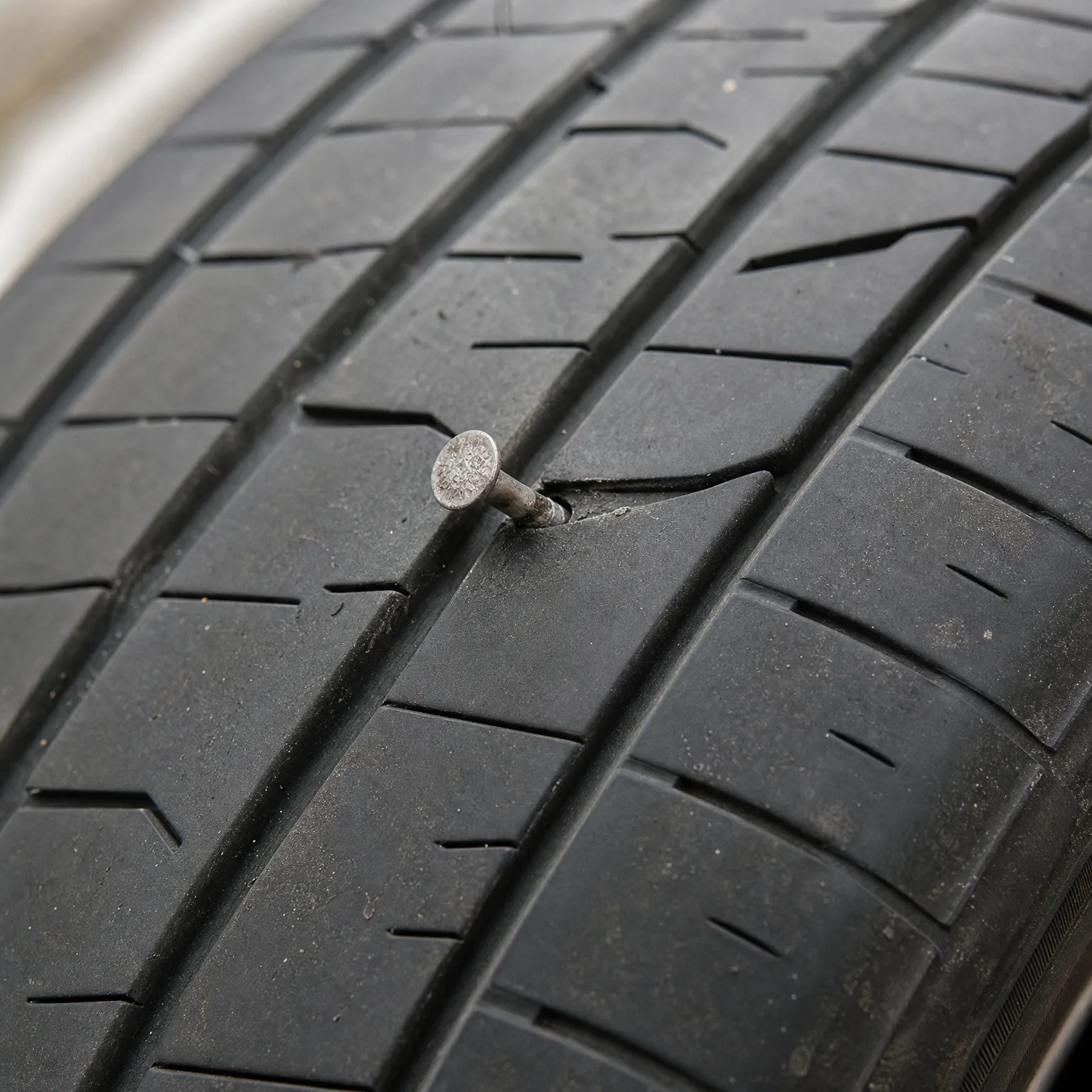
Can Cops Pull You Over for Being Uninsured
No, being uninsured isn't something an officer can see or detect on its own, but any traffic stop can expose it in seconds.
Insurance only comes up once you're already stopped for something else
Police have no way to scan the road and know which cars are uninsured. There's no signal, no plate reader that broadcasts it, nothing visible from outside the car. What triggers the stop is always something else, a burned out taillight, a rolling stop, speeding, expired registration tags. Once you're pulled over for that reason, the officer asks for license, registration and proof of insurance as routine, and that's the moment a lapse or a missing policy surfaces.
This matters a lot for someone new to driving, because you might assume that having no history means you're somehow under the radar. You're not. You're just as visible as anyone else on the road, and every stop, even a minor one, becomes a checkpoint for your coverage status.
What happens after that varies. Some places issue a citation on the spot, others give a short window to show proof that the policy existed at the time, and some tie the penalty to your registration or license directly. This is one of those areas where the rules differ by state, so it's worth checking what your state actually does with an uninsured stop, because the range runs from a fine to something that follows your driving record for a while.
The practical takeaway is that the stop itself isn't about insurance. It's about something small and visible, and insurance just rides along as a consequence once you're already pulled over. That's exactly why staying current matters more than people expect when they're still building a record.
A new driver gets pulled over for a taillight, not for being uninsured
Say you just started driving at thirty four, you bought a used car, and you're still getting used to all the small maintenance things a car needs. A taillight burns out and you don't notice right away. An officer sees it one evening and pulls you over, not because anything flagged you as uninsured, but because the light is a simple, visible reason to stop.
At that point the officer asks for your documents as routine. If your coverage lapsed, even by a few days, or if you never got a policy started because you assumed you'd wait until you drove more regularly, that gap becomes visible right there. What happens next depends on where you are, some officers issue a fix it ticket alongside the insurance citation, others treat the insurance piece as the bigger issue since it ties to legal driving status, not just car upkeep. The driver in this situation usually ends up having to prove coverage within a set window or pay a penalty, and either way it becomes a record tied to that stop. The lesson that sticks isn't about taillights, it's that any small thing can be the reason you're stopped, and insurance is simply what gets checked once you are.

Keeping continuous coverage while you build a driving record
If you do
If you keep your policy active without gaps, a stop for a taillight or rolling stop stays small. You show proof, the officer moves on, and nothing follows you. Your record stays clean and any rate improvements tied to driving history keep moving forward instead of resetting.
If you don't
If you let coverage lapse, even briefly, a routine stop turns into a bigger problem. You may face a citation, a fine, or a requirement to prove coverage within days. That gets logged, and insurers see it later, often making you look riskier right when you're trying to build a clean history.
Now that you know any stop can expose a coverage gap, compare quotes and make sure that's never a problem for you.

Can an uninsured stop affect my ability to get coverage later?
Yes, it can, because insurers look at your driving record when they price a policy, and a citation for lacking coverage is exactly the kind of thing that shows up. It signals a gap in responsibility, even if the underlying driving was fine, and some insurers weigh that more heavily for someone who's still building a short history.
The effect isn't permanent. As you accumulate time with continuous coverage and no further incidents, the weight of a single citation fades, especially if it happened early on. What matters most going forward is avoiding another gap and keeping any violations off your record going forward. Check with insurers directly about how long a lapse or citation typically factors into pricing where you live, since this is one of the details that varies by company and by state, and it changes how quickly your rates can improve.

The stop is never about insurance, it's about staying visible for bad reasons, so keep coverage solid.