Can I Get in Trouble for Someone Else Driving My Car
Usually your insurance pays first when someone else drives your car with your permission, so the trouble is financial, not legal.

A friend borrows your car and hits a mailbox
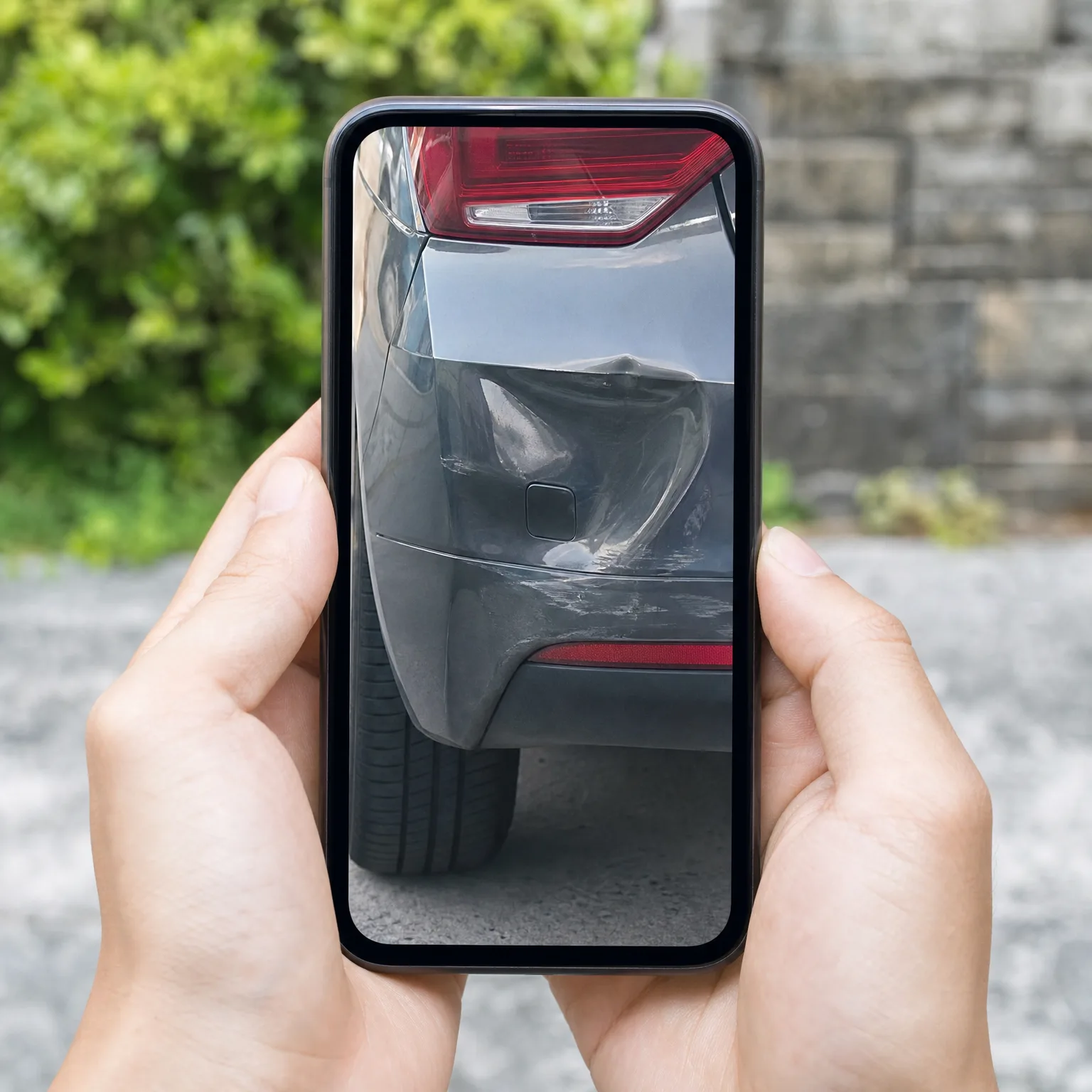
You lend your car to a friend for the weekend while your own plans fall through. They're backing out of a driveway and clip a mailbox, denting the bumper and cracking a taillight. Nobody is hurt, but the homeowner wants the mailbox replaced and you'll need the taillight fixed.
You call your insurer because the car is registered and insured in your name. They confirm your friend was covered since you gave permission, and they open a claim under your policy rather than tracking down separate coverage for your friend. You pay what you'd normally pay toward repairs, and the claim shows up in your history, not your friend's. Next time, you ask first whether the person driving has any issues on their own record, since that's the kind of thing that can complicate a claim even when the policy still pays.
Does letting someone borrow my car raise my rates even if nothing goes wrong?
No, simply lending your car doesn't affect your rate. Insurers price your policy based on claims, driving history, and the car itself, not on who you've allowed to drive it from time to time.
What changes your rate is a claim being filed, regardless of who was behind the wheel. If your friend drives carefully and nothing happens, there's no record of the loan at all. The risk only becomes real the moment there's an accident, which is why it matters more who you lend to than how often you do it.

Once you know your policy follows the car, compare quotes to see what coverage fits before lending it out again.

Deciding whether to let someone drive your car
If you do
If you lend your car to someone you trust and they're a careful driver, your policy picks up the claim if something happens. You deal with one insurer, one process, and the cost affects your history, not theirs. Most everyday lending situations work out exactly this way without complication.
If you don't
If you never lend your car, you avoid any chance of being pulled into someone else's accident entirely. But you also lose the ability to help a partner, roommate, or family member in a pinch, and you may end up as the one borrowing a car instead, trusting someone else's policy to protect you.
What decides whether you're on the hook
- Did you give permission If you said yes, even casually, your policy almost always treats the driver as covered. Keep lending casual but be clear about when you do and don't say yes.
- Who's driving matters A friend with a clean record is a very different risk than someone with recent accidents or license issues. Ask before you hand over the keys, especially for longer loans.
- Regular use changes things Someone driving your car occasionally is different from someone living with you and driving it weekly. If that's the case, check whether your insurer wants that person added to the policy.
- Your policy pays first In most situations your insurance responds before the driver's own policy does, since coverage typically follows the vehicle. Know this before assuming someone else's insurance will step in.
- State rules on permission vary What counts as implied permission, and how insurers handle disputes about it, differs by state and by insurer. Check your policy wording or ask your agent directly if you're unsure.
What happens if someone drives my car without my permission and crashes it?
Your policy typically still covers the damage to your own car, but the unauthorized driver may be personally responsible for other costs, like injuries or damage to another car. Insurers investigate permission closely in these cases, often checking texts, witness statements, or whether the person had a key legitimately. If there's a real dispute about permission, your insurer may try to recover costs from the driver afterward. Check your policy's language on permissive use, since insurers define it slightly differently.
Should I add someone to my policy if they drive my car often?
Yes, if someone drives your car regularly or lives in your household, most insurers expect them listed on the policy. This isn't about trust, it's about accurately pricing the risk, since a frequent driver changes how often the car is on the road. Leaving a regular driver off the policy can cause problems at claim time, even if that driver was covered in spirit. Check with your insurer about their specific threshold for how much driving counts as regular use.
Can I say no if someone asks to borrow my car and I'm worried about my insurance?
Yes, it's entirely your choice, and you're not obligated to explain beyond being uncomfortable with the risk. You're the one whose policy and history are affected, so it's reasonable to decline if you don't know the person's driving record or don't want the exposure. If you do want to help, you could suggest they look into their own short-term coverage instead, which keeps any claim off your policy entirely.