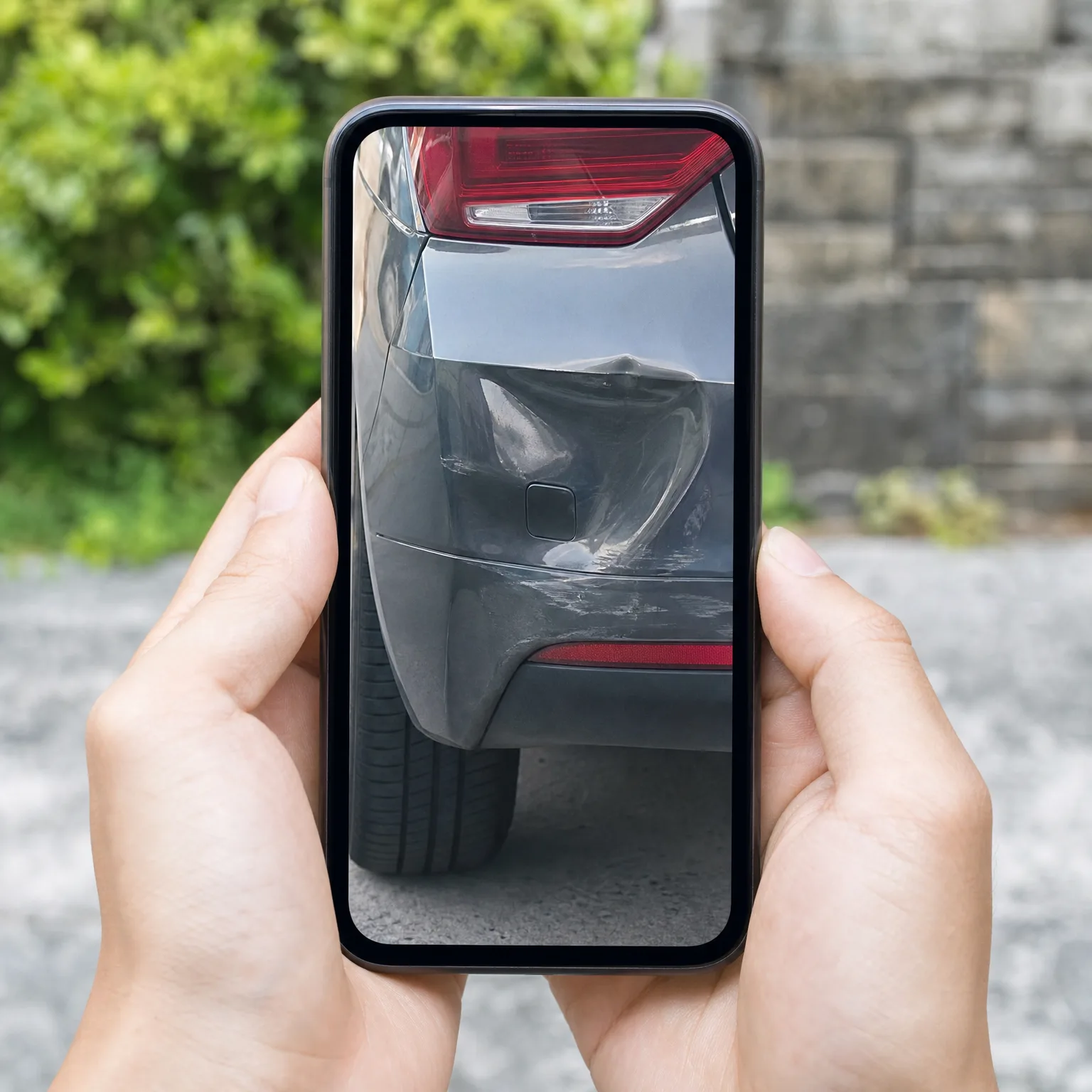
Can I Insure Myself to Drive Someone Elses Car
Yes, you can insure yourself to drive someone else's car, which often makes more sense than relying on the owner's policy alone.

Borrowing a parent's car while you learn to drive at 35
You just got your license at 35 and your parents offered their extra car while you build experience and save for your own. You weren't sure if their policy covered you automatically or if you needed something separate, so you called their insurer before driving it anywhere. They explained that occasional use was fine under the owner's policy, but since you'd be driving it most days, you needed to be added as a listed driver, which would change their premium.
You and your parents decided it made more sense for you to get your own policy naming their car as the one you drive, since you had no driving record yet and didn't want to be tied to their rates or their claims history. You compared quotes as a new driver with your own policy, which also meant any claim would be tied to you, not them. A few months later you had your own car, and because you already had a policy and a short record behind you, moving your insurance over was simple.
The short version
Yes, you can insure yourself to drive a car you don't own, either as a named driver on the owner's policy or through your own policy covering you on a specific car. Do this when you drive that car regularly, since occasional borrowing is usually already covered. Talk to the owner's insurer first to find the right setup.
Will insuring myself on someone else's car help me build my own driving record?
Yes, in most cases having a policy in your name, even one tied to someone else's car, starts building a record of insured driving history under your own name. That record is what eventually lowers your rates, since insurers reward time spent insured without claims more than almost anything else.
This matters a lot for you specifically, since you're starting with no driving history at all. Being listed only on someone else's policy may or may not build your own history depending on the insurer, so ask directly whether the time counts toward your own record. If it doesn't, a policy in your own name, even a basic one, is worth it just for that reason.
Now that you know how to get covered on someone else's car, compare quotes to see what a policy in your name would cost.

Should you get your own policy or be added to theirs
If you do
If you get your own policy naming their car, you build your own insurance history right away. Claims and rate changes stay separate from the owner's record. You'll likely pay more upfront as a new driver, but every month of coverage improves your standing for the future, including once you own a car.
If you don't
If you skip this and rely only on the owner's policy, you may be covered for occasional driving, but regular use could violate their policy terms or leave gaps. You won't build your own driving record this way. If you're ever at fault in an accident, it could also raise their rates instead of yours.
Why your own policy matters more than it seems
Car insurance follows the car first and the driver second, but who carries the financial responsibility depends on the arrangement. An owner's policy generally covers anyone they give permission to drive, which is why borrowing a friend's car for an afternoon is usually fine without any extra paperwork. Problems start when that borrowing becomes routine, since insurers consider regular drivers part of the household risk, not occasional guests.
For you, the key issue is that you have no driving record yet. Insurers price risk partly on experience, and without any history, you look the same to them regardless of how old you are. Getting your own policy, even on a car you don't own, starts a timeline that proves you're a safe driver over time. Being listed on someone else's policy might do the same thing, but not always, since some insurers track history differently depending on whether you're the policyholder or just a listed driver.
There are cases where it works out differently. If you only drive the car occasionally and never regularly, you may not need your own policy at all, and adding one could be unnecessary cost. If the car's owner has a poor driving record or lives in a state with unusual rules about listed drivers, your own policy might actually protect you from their risk being linked to yours.
What varies by state and insurer is how named driver status affects your future rates, and whether insurers require you to be listed if you drive the car regularly. Check both before deciding, since the rules can change what makes sense for you.