Can My Wife Drive My Car if She Is Not on My Insurance
In most cases yes, as long as she has your permission and drives occasionally rather than regularly.
Coverage follows the car, but regular drivers need to be named
Most car insurance policies are written to cover the vehicle itself, not just the person named on the policy. That means if you lend your car to your wife and she has an accident, your policy typically responds first, because the car is what's insured. This is why occasional permissive use, letting a spouse, friend, or relative drive once in a while, usually doesn't require adding anyone new.
The distinction insurers care about is between someone who drives your car once in a while and someone who drives it regularly. If your wife uses your car for her commute, runs errands in it most days, or essentially treats it as her own vehicle, insurers expect her to be listed as a driver on the policy. That's because regular use changes the risk they're pricing for, and leaving a frequent driver off the policy can look like you're hiding risk to keep costs down.
This is also one of those places where the details vary by insurer and by state. Some companies are strict about any household member needing to be listed, regardless of how often they drive. Others care more about whether she lives with you. Check your policy documents or call your insurer directly and ask how they define permissive use versus a regular driver, since the wrong assumption here is what causes problems later.
The one scenario where this gets complicated is if something happens while she's driving and your insurer later finds out she drives the car often. They may argue the policy didn't reflect the real risk, and that can affect how a claim gets handled. That's the actual thing to avoid, not casual, occasional use.
What if my wife gets in an accident while driving my car?
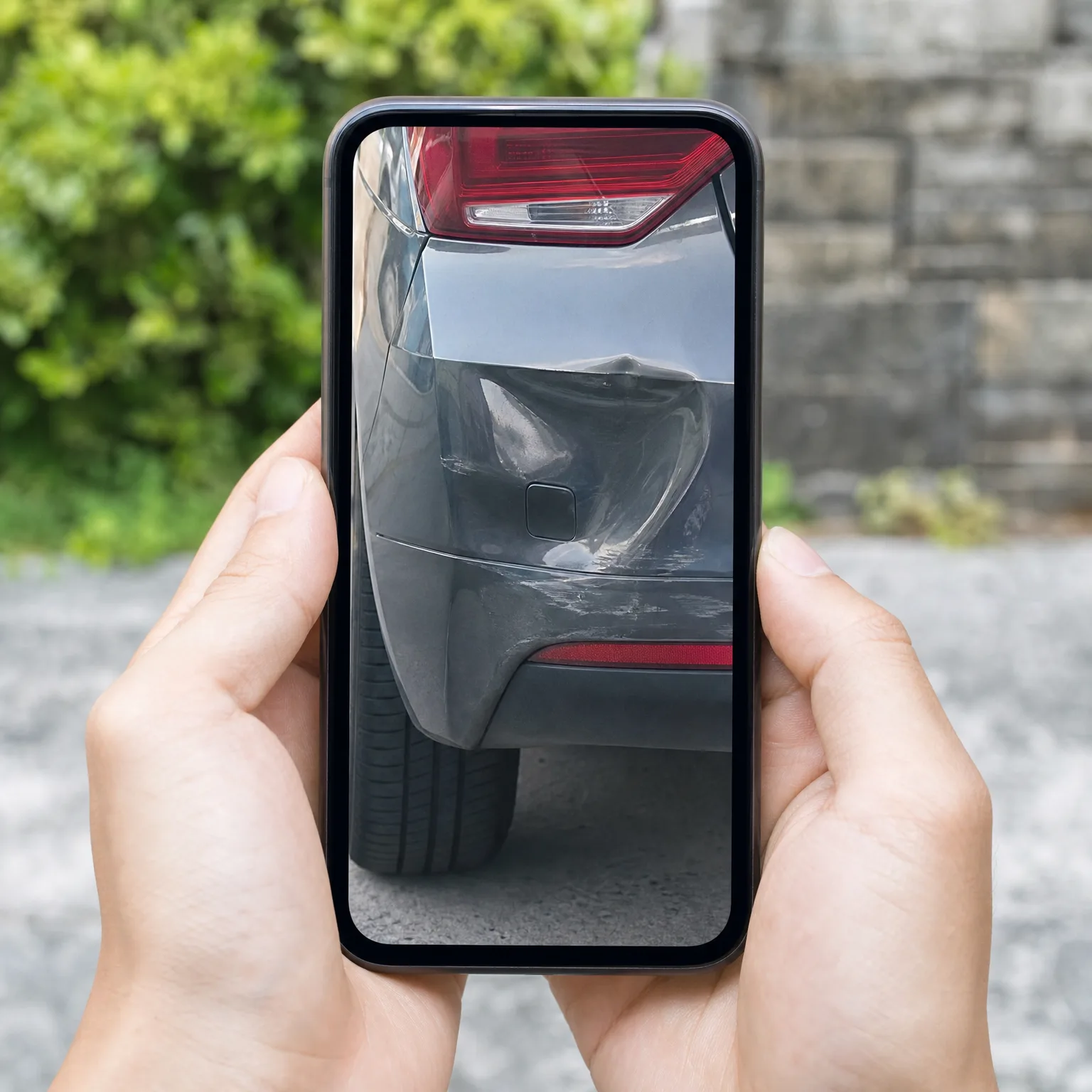
If this is occasional use and she has your permission, your policy typically covers the accident the same way it would if you were driving, because coverage follows the car. You'd file the claim through your insurer, and it would be handled under your policy's liability and damage coverage.
The outcome changes if your insurer determines she was a regular driver who should have been listed. In that case, they may investigate more closely, delay the claim, or in rare cases deny it, arguing the policy didn't accurately reflect who was driving the car. This is the real reason to be upfront about regular use ahead of time rather than finding out during a claim.
Once you know whether she needs to be listed, compare quotes that reflect how your household actually drives.

Whether you add her to the policy now
If you do
Your policy reflects reality, so a claim involving her goes smoothly with no questions about who was driving. Your premium may change to account for her as a second driver. You also avoid any risk of a dispute later if she ends up driving more than you originally planned.
If you don't
If her use stays occasional, nothing changes and your policy still covers her as a permitted driver. But if her use quietly becomes regular, you're carrying risk your insurer doesn't know about, and a claim could get complicated right when you need it to go smoothly.

A situation like this one
Say you buy a car and your wife isn't on the policy yet because she has her own car for work. A few weeks in, her car needs repairs, so she starts driving yours to work every day for a couple weeks while hers is in the shop. During that stretch, she's rear-ended at a light.
Because this was still a temporary, limited situation and she had your permission, the claim goes through your policy without issue, treated as ordinary permissive use. But if that arrangement had continued for months, with her using your car as her main vehicle, you'd want to have called your insurer and added her once it became clear the situation wasn't temporary. The deciding factor isn't the accident itself, it's whether the actual pattern of use still matches what your policy assumes.
What matters is whether her actual driving pattern still matches what your insurer assumes, not permission.