Can Someone Else Drive My Leased Car
In most cases yes, because your insurance covers the car itself, not just you as the named driver.
Your insurance protects the car, so coverage follows the driver
Car insurance is built around the vehicle. When you insure a leased car, the policy follows that car wherever it goes and whoever is behind the wheel, as long as you gave them permission to drive it. This is called permissive use, and it's the reason a friend or family member borrowing your car for an afternoon is usually covered without needing their own policy on your vehicle.
The lease adds a second layer on top of this. The leasing company owns the car, and your lease agreement may include its own rules about who can drive it and how often. Most leases are written around the idea that you, the lessee, are the primary driver, so occasional use by someone else is normal and expected. Regular or long-term use by another person is a different situation and can bump against what the lease actually allows.
Where this gets less uniform is in the details. Some insurers limit permissive use to occasional situations and get stricter if someone drives your car regularly. Some leases name who is allowed to drive and require you to disclose additional drivers. Your state also shapes how claims get sorted out if the other driver is at fault, since fault and payout rules for permissive use vary. None of this changes the basic shape of the answer, but it does mean you should actually read your policy and your lease rather than assume.
The practical split to keep in mind is between someone borrowing your car once in a while and someone who is essentially a second regular driver. The first is covered by the normal logic of auto insurance. The second is the situation where you need to check your specific policy and lease rather than rely on the general rule.
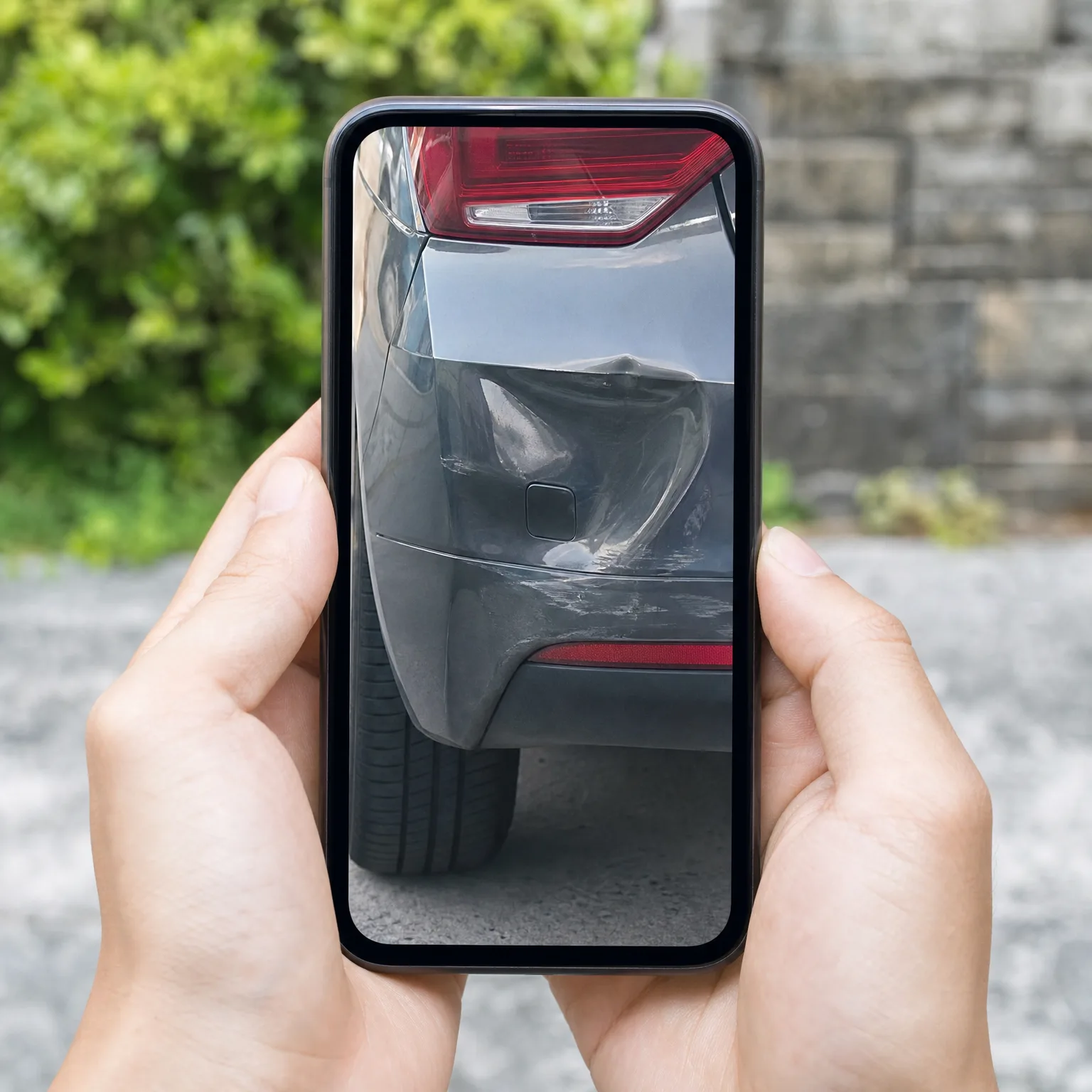
What if the other driver gets into an accident in my leased car?
Your insurance responds first, because the policy follows the car. Your liability coverage pays for damage or injury the other driver causes, and your collision coverage handles damage to the leased car itself, same as if you had been driving.
The complication is that it's your policy, so a claim can affect your record and your future rates, even though you weren't driving. If the other driver doesn't have a license, isn't listed on the policy, or drives the car far more than occasionally, the insurer may question the claim or limit the payout. Before you hand over your keys regularly, it's worth confirming with your insurer that the arrangement counts as permissive use rather than something they'd dispute later.
Once you know how your policy and lease treat other drivers, compare quotes that match how your car gets used.

Letting someone else drive your leased car occasionally
If you do
Your policy covers them under permissive use, the same liability and collision coverage applies, and a claim gets filed under your policy as usual. Your lease stays intact since occasional use by another person is normal and expected under almost every lease agreement.
If you don't
You avoid any ambiguity about who's covered, but you also limit a genuinely useful option. Family members or close friends who could help in a pinch, like picking up your car during an emergency, are left out, even though your policy would likely have covered them anyway.
What actually determines whether another driver is covered
- Permission to drive If you gave someone your keys and said yes, they're almost always covered under your policy. Make sure you can confirm permission if a claim ever comes up.
- How often they drive it Occasional use is covered without issue, but regular use by the same person can trigger your insurer's rules about undisclosed drivers. Tell your insurer if someone will be driving your car routinely.
- What your lease says Some leases name who may drive the car or require you to report other drivers. Read your lease agreement once so you know if it adds any restriction beyond your insurance.
- Their own driving record A driver with a poor record or no license can complicate a claim even under permissive use. Ask before lending your car to someone whose driving history you don't know well.
- State rules on fault How a claim gets resolved when someone else was driving can depend on your state's rules. Check with your insurer or agent if this situation comes up often.
Coverage follows the car, so lending it occasionally is normal if you stay honest about how often.