Can You Drive Another Person Car With Your Own Insurance
Usually yes, because your insurance typically follows you as a driver, but whose policy pays first depends on the owner's coverage too.
Your policy follows you, but the owner's policy usually pays first
Car insurance is built around two ideas at once. It covers a specific car, and it covers you as a named driver on that car. When you borrow someone else's car with their permission, most policies treat the car's own insurance as the primary coverage. Your own policy typically sits behind it, ready to add coverage if the owner's limits run out or if something about the claim falls outside what their policy handles.
This is why the question has two parts that people often blend together. The first is whether you're allowed to drive the car at all, which usually comes down to the owner giving permission and you not being excluded from their policy. The second is what happens if something goes wrong, which is where your own insurance can step in as backup rather than as the first line of coverage.
There are real exceptions worth knowing about. If you drive the car regularly, some insurers expect the owner to list you on their policy instead of treating each use as occasional borrowing. If you don't have your own policy yet, because you're newly licensed and haven't needed one, the owner's insurance is likely what protects you, and whether that's enough depends entirely on their coverage choices, not yours.
State rules and individual insurer policies both shape the details, so you can't assume your situation matches a friend's. Before you borrow a car regularly or lend your own, it's worth a short call to both insurers to confirm how permission, coverage order and any listed-driver rules actually work for those specific policies.
Borrowing a coworker's car for a weekend move
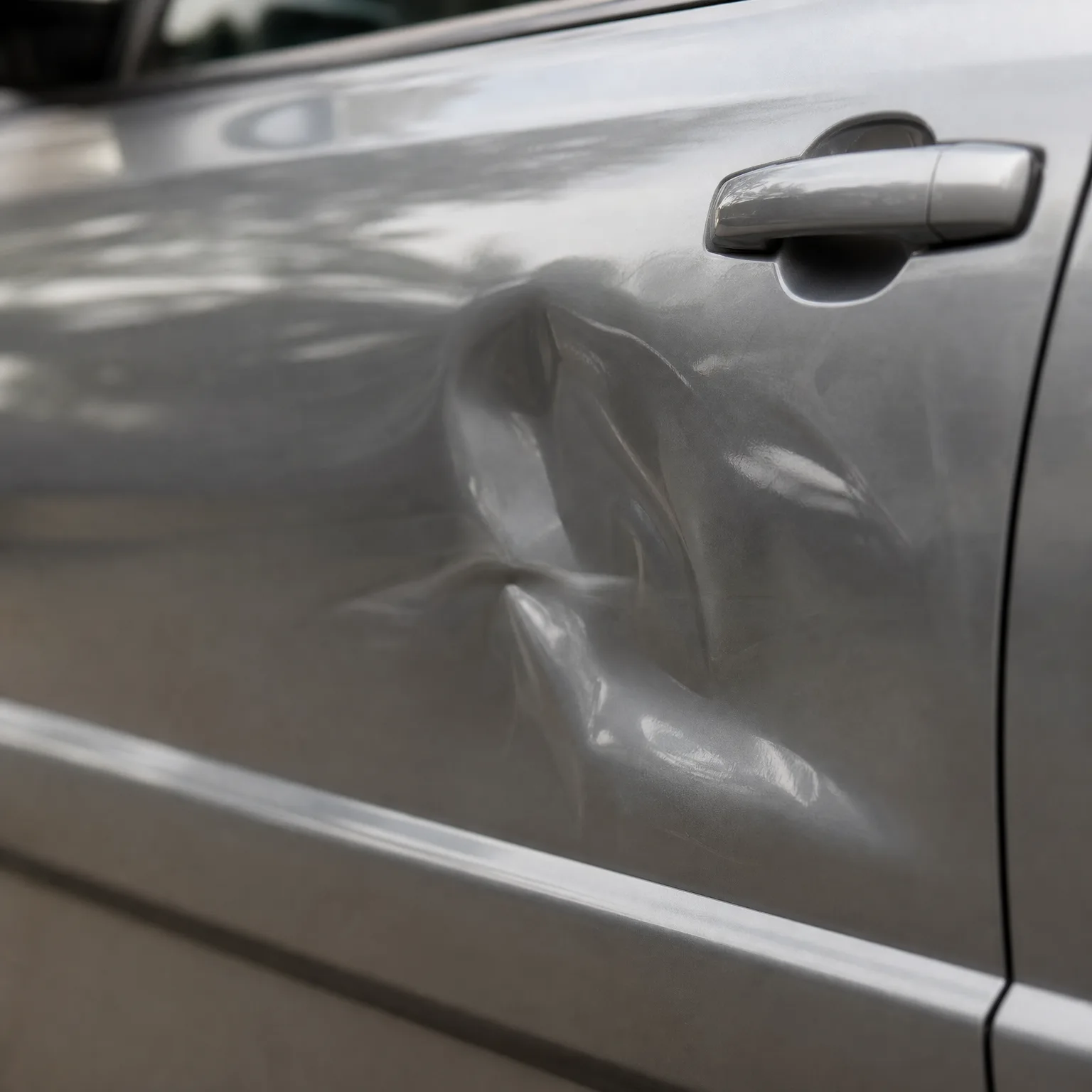
Say you're thirty-four and finally got your license last year after years of taking the bus. You don't own a car yet, but a coworker offers to lend you theirs for a weekend to move some furniture. You ask them directly if their insurance covers other drivers, and they say yes, you just need permission, which they're giving you right there.
You also check with your own insurer, since you started a policy a few months ago to build a record. They confirm that if anything happened while you're driving your coworker's car, their policy would pay first, and yours would only come in if the damage or injury costs went beyond what their policy covers. Nothing happens during the move, but now you know the order of coverage for next time, and you've started the habit of checking before you borrow instead of guessing.

Now that you know how coverage follows you, compare quotes to make sure your own policy backs you up properly.

Should you ask before borrowing or lending a car
If you do
You confirm permission and coverage order before anything happens. If a problem comes up, both insurers already know the situation, and you're not stuck explaining after the fact who was supposed to be covered or whether you had permission at all.
If you don't
You assume coverage works a certain way and find out otherwise during a claim. The owner's insurer may question the loan, your insurer may ask why you weren't listed, and you spend time proving facts you could have confirmed with one phone call beforehand.
Do I need to be listed on someone's insurance to drive their car legally?
No, not for occasional use with permission, but regular use is different. Most policies distinguish between borrowing a car once in a while and driving it often enough that you're effectively a regular driver. If you're using someone's car every week, their insurer likely expects you listed, and not listing you could affect a claim. Ask the owner to check their policy's definition of a regular versus occasional driver, since that line varies by insurer.
What happens if I crash a car I borrowed and I'm not insured myself?
The owner's insurance is typically what responds first, since coverage usually attaches to the car. If you don't have your own policy, that's likely your only protection in that moment, so the owner's coverage limits matter directly to you. Ask what their liability limits are before borrowing, especially for an expensive repair or injury claim. If their coverage is minimal, you're more exposed than you might expect.
Should I get my own car insurance before I even own a car?
Often yes, because starting a policy early builds a driving history insurers can see later. Even without owning a car, some insurers offer a basic policy for licensed drivers, and having one shows continuous coverage when you do buy a car. Check with insurers directly, since not all offer this, and ask how it affects pricing once you're ready to insure your own vehicle.
The real decision isn't whether you're covered, it's whose coverage pays first and whether that's enough.