
Do Car Accidents Show Up in Background Checks
A car accident shows up in a background check only if it produced a criminal charge, a license action, or a court record tied to your name.
It depends on what kind of record the accident created
A routine fender bender that you settled through insurance usually leaves no trace in a standard background check. Those checks pull from criminal records, court records, and sometimes motor vehicle records, not from insurance claim files. If no citation was issued and no one was charged, there is often nothing for a background check to find.
That changes the moment police get involved and write a ticket, or the accident leads to a charge like reckless driving or DUI. Citations and criminal charges become part of public court records, and most background checks are built to search exactly those records. A driving record check, which employers request separately in some states, works differently and pulls directly from the motor vehicle agency, so it can show tickets and license points even without a criminal charge.
Which records get checked depends on what the employer or landlord actually ordered. A basic criminal background check and a full driving record pull are not the same product, even though people use the phrase loosely. Some jobs, especially driving jobs, require the motor vehicle report specifically, while most general employment checks don't touch it at all.
This is also where state rules start to matter. How long a citation stays visible, whether minor infractions get sealed, and what a motor vehicle report includes all vary by state. If this is relevant to a job application or a lease, it's worth checking your own state's rules on record retention before assuming either way.
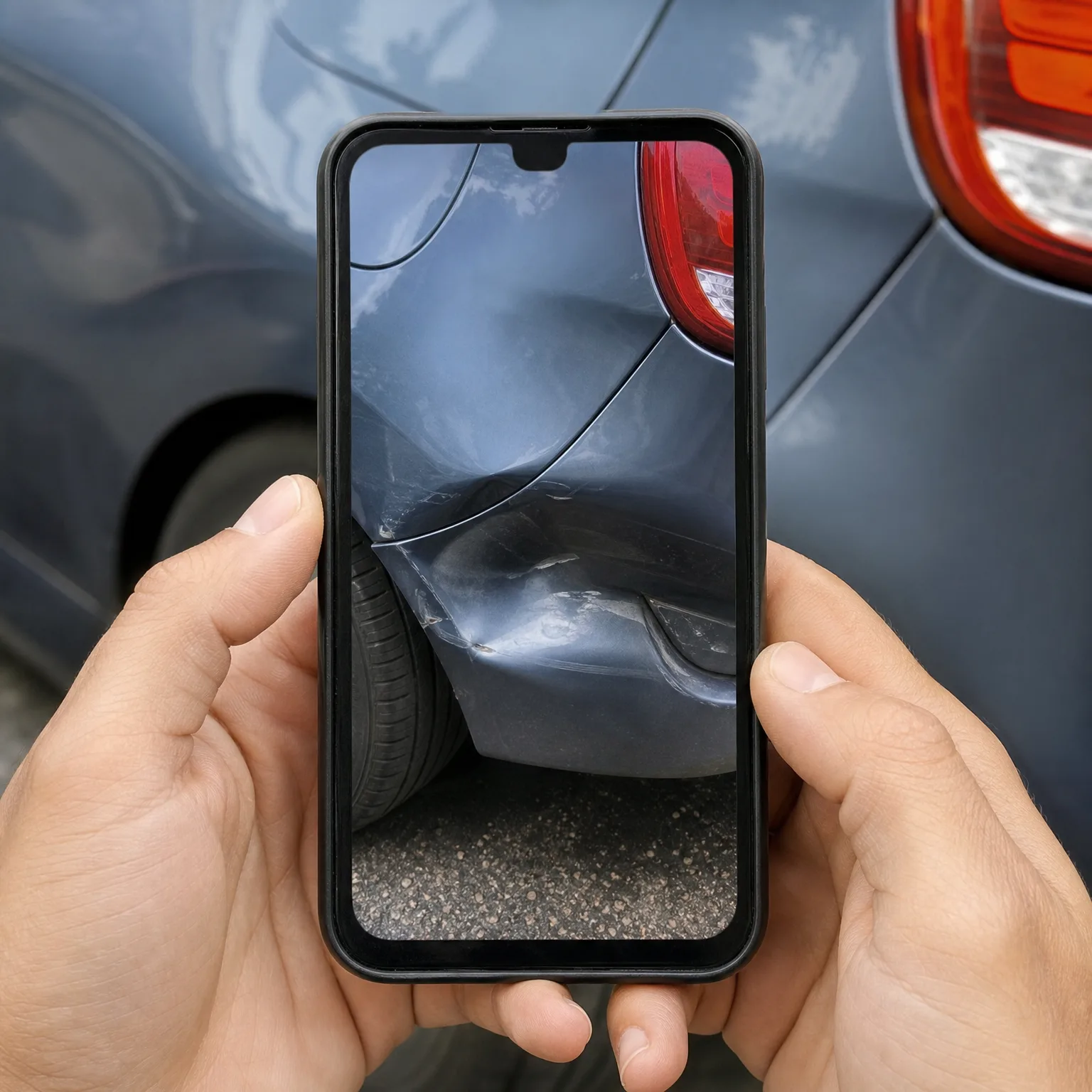
What actually determines if it shows up
- Was a citation issued No ticket usually means no public record. A ticket, even a minor one, creates a court record that standard background checks can surface.
- Type of check requested A criminal background check and a motor vehicle report pull from different databases. Ask which one is being run if it matters to you.
- Criminal charges attached DUI, reckless driving, or hit and run charges become permanent criminal records. These show up on criminal background checks for years.
- Your state's record rules Some states seal or expire minor citations after time passes. Check your state's motor vehicle agency or court system for specifics.
- Who's asking and why Employers running driving jobs often require a motor vehicle report by policy. General employers rarely request one unless driving is part of the role.
A fender bender versus a ticketed accident
Say you rear-ended someone at a stoplight two years ago. No one was hurt, you exchanged insurance information, and your insurer handled the claim. No police report was filed because the damage was minor and both drivers agreed it wasn't worth involving law enforcement. When you apply for a new job later and they run a standard criminal background check, this accident never appears, because it never became part of any public record. There was nothing to seal or expire because nothing was filed in the first place.
Now picture a different accident where you ran a red light and were cited for it, and the crash caused real damage. That citation went through traffic court, which makes it a public record. If the job you're applying for requires a motor vehicle report, perhaps because it involves company driving, that citation will likely appear, along with any points added to your license. The key difference isn't the severity of the damage to the cars, it's whether the incident produced an official citation or charge that entered the court or motor vehicle system. That's the record a background check actually searches.
Once you know what's actually on your record, you can compare quotes knowing exactly how insurers will see your history.
Will This Accident Affect My Car Insurance Rate Too?
That's a separate question from background checks, and it depends on fault, not on whether a citation was issued. Insurers look at their own claims history and state driving records, which can include accidents even when no ticket was written, if you were found at fault.
A background check for a job and your insurer's view of your driving history pull from different sources and serve different purposes. An accident that never shows up on a criminal background check can still raise your insurance rate if your insurer determines you were at fault, because insurers rely on claims data and sometimes a separate driving record pull that isn't limited to citations. Check your own state's rules on how long accidents stay on your insurance record, since that timeline is usually different from how long a citation stays on a court record.

What you got cited for matters more than what happened in the accident itself.