Do I Really Need to Add a Driver to My Rental Car
You need to add anyone who will drive, because an unlisted driver usually isn't covered if something goes wrong.
The rule exists because coverage follows the agreement, not the car
Rental coverage is a contract between you and the rental company, and that contract only protects the people named on it. If you're the only one listed, you're the only one the rental company agrees to cover. Anyone else behind the wheel is driving outside that agreement, even if they have their own license and their own insurance.
This matters most because your personal car insurance, if you have one, often extends to a rental car the same way it covers your own car. But that extension usually follows the policyholder and listed drivers, not just anyone who happens to be holding the keys. If an unlisted person causes a crash, the rental company can deny the claim entirely, and your own insurer may refuse to step in because the driver wasn't authorized under the rental agreement in the first place.
There are cases where this works out differently. Some rental agreements automatically cover spouses without a separate listing. Some credit cards or insurance policies extend protection to any permitted driver, not just named ones. This varies by company and by card, so check the actual rental agreement and your own policy documents rather than assuming either one.
The safest approach is to assume the rule applies unless you've confirmed otherwise in writing. If more than one person might drive during the trip, even just to switch off on a long drive, that person needs to be listed before they touch the wheel.

What to check before you decide who to add
- Who will actually drive Think about every leg of the trip, not just the start. If a second person might drive even once, they need to be listed from the beginning.
- Spousal exceptions Some rental companies waive the requirement for spouses automatically. Ask the counter agent directly instead of assuming it applies.
- Credit card coverage Some cards extend rental protection to any permitted driver. Call your card issuer before you travel to confirm who counts.
- Your own policy's reach Your personal auto policy may or may not follow unlisted drivers into a rental. Call your insurer and ask specifically about this situation.
- The cost of adding someone Adding a driver sometimes costs extra, but it's cheaper than an unpaid claim. Weigh it against what you'd owe if something happened uninsured.
The person driving matters more than who booked the car. Coverage follows who's named, not who's paying.
Once you know who's driving and who's covered, compare quotes to see how your own policy would handle a rental.

A couple splitting the driving on a long road trip
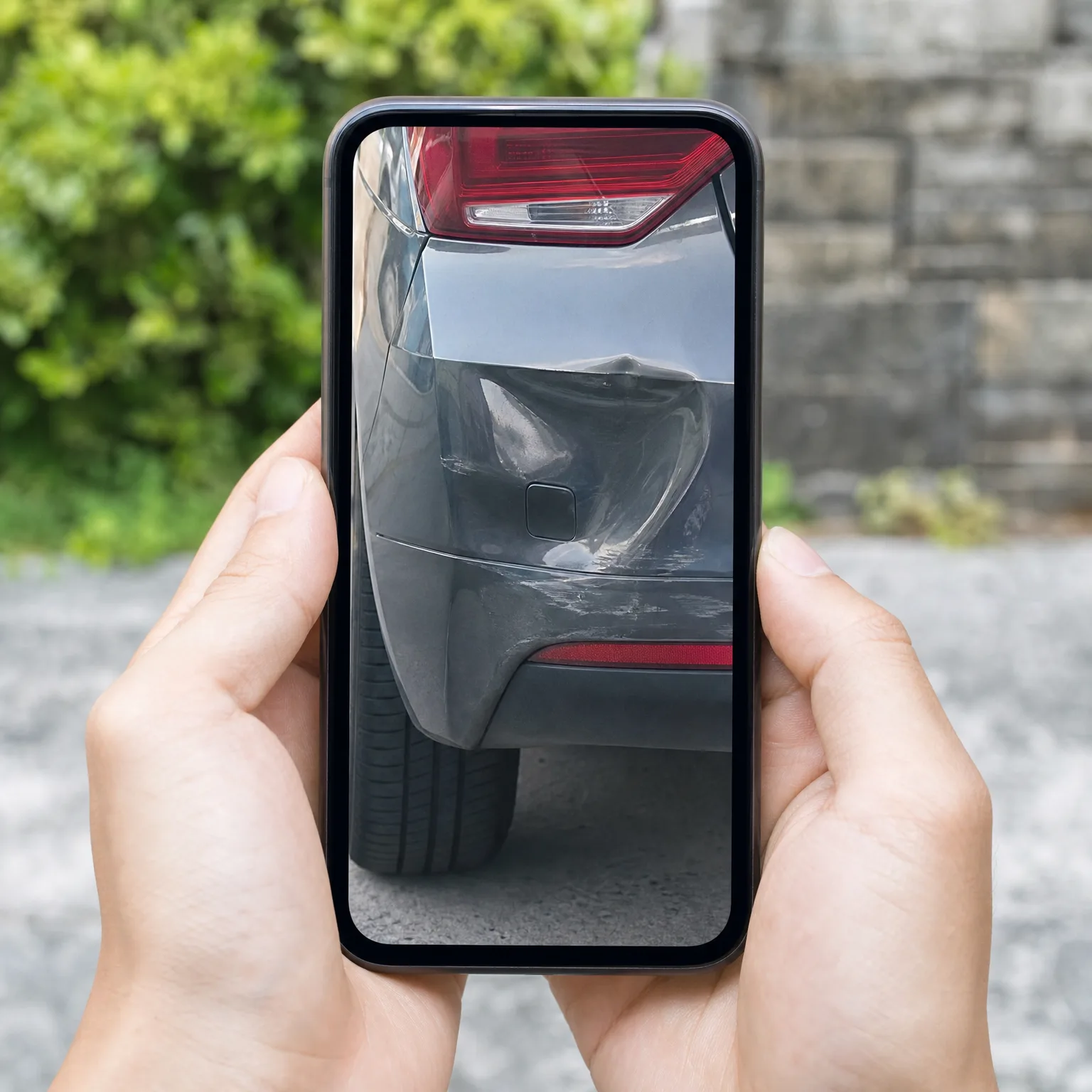
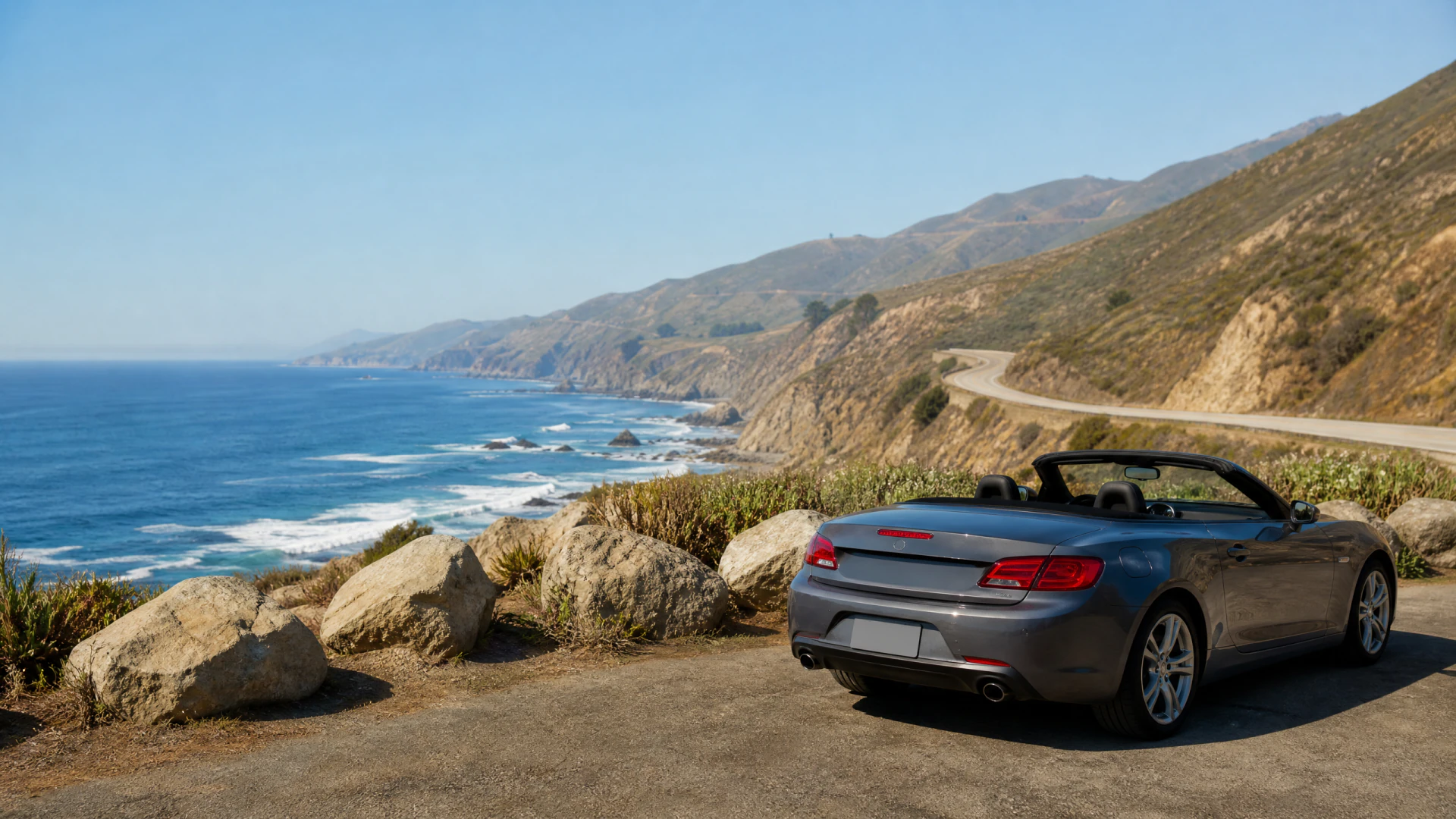
A couple rented a car for a week long trip and planned to split the driving to cut down on fatigue. Only one of them was listed on the rental agreement at pickup, since they assumed being married meant both were automatically covered. Partway through the trip, the other spouse was driving and sideswiped a guardrail on a mountain road.
When they called the rental company, the agent explained that their particular agreement did not include an automatic spousal waiver, and because the driver wasn't listed, the damage wasn't covered under the rental contract. Their personal auto insurer was willing to step in, but only after confirming the driver was a listed driver on their home policy too. It worked out, but it took phone calls at the scene and some tense hours before they knew they were covered. They added both names before every rental after that, without exception.

What if someone drives without being added and nothing happens?
If nothing happens, there's usually no issue at all. Rental companies don't typically check who was behind the wheel unless there's a claim, a crash, a ticket, or some kind of damage that triggers a review. Plenty of people drive unlisted on short trips without any consequence.
The risk isn't that you'll get caught doing it. The risk is what happens if something does go wrong while that person is driving. A single incident can leave you responsible for the full cost of repairs, liability claims, or injuries, with no coverage behind you. Whether that risk is worth taking depends on how much driving that person will actually do and how comfortable you are covering those costs yourself if the rare bad outcome happens.