
Do I Really Need Umbrella Insurance
If you have savings or a car worth protecting, umbrella coverage is worth adding once your auto liability limits are set high enough.
It covers the gap between what you have and a bad day's cost
Car insurance pays for damage and injury up to the limit you chose, and nothing past that. If you cause an accident that hurts someone badly or totals several vehicles, the costs can climb past almost any standard auto limit. Umbrella insurance picks up where that limit ends, covering the rest so your savings, your wages and anything else you own aren't the next target.
For someone new to driving, this matters more than it seems. You don't have years of experience to lean on, and insurers already see you as harder to predict. That same unpredictability is exactly what umbrella coverage is built for, the rare but expensive event rather than the everyday one.
Whether you need it depends less on your driving history and more on what you'd stand to lose in a lawsuit. If you own a home, have meaningful savings, or expect your income to grow, you have more to protect than someone renting with little saved. Umbrella insurance almost always requires you to carry higher liability limits on your auto policy first, so check what your insurer requires before you assume you qualify.
It works differently depending on what you already own and what your state allows for lawsuits and asset protection. Some states protect certain assets from judgments no matter what, which changes how much umbrella coverage actually shields. Ask your insurer or an agent what your state protects by default before deciding how much umbrella coverage to add.
How much umbrella coverage do I actually need?
It depends on what you have to lose, not on what feels like a round number. Add up your savings, the value of anything you own outright, and a reasonable estimate of future income if you're early in a career that's likely to grow. That total is roughly the amount a judgment could chase.
Most people buy enough to cover that total with some room to spare, since legal costs and medical bills tend to run higher than expected. If you're still building savings and don't own much yet, a smaller policy may be enough for now. You can increase it later as your situation changes, so this isn't a permanent decision made once and forgotten.

Whether you add umbrella coverage once your auto limits are set
If you do
If you're sued after an accident, your auto policy pays up to its limit and the umbrella policy covers the rest, up to its own limit. Your savings, home equity and future wages stay protected. You pay a modest yearly cost, and nothing else changes unless you're ever in a serious claim.
If you don't
If a judgment exceeds your auto liability limit, you're personally responsible for the difference. That can mean wage garnishment, a lien on property, or draining savings you spent years building. As a newer driver with less experience to rely on, this is the exact scenario umbrella coverage exists to prevent.
Compare quotes now that you know whether umbrella coverage fits you and what liability limit you'll need first.
A new driver with a paid-off car and a growing savings account
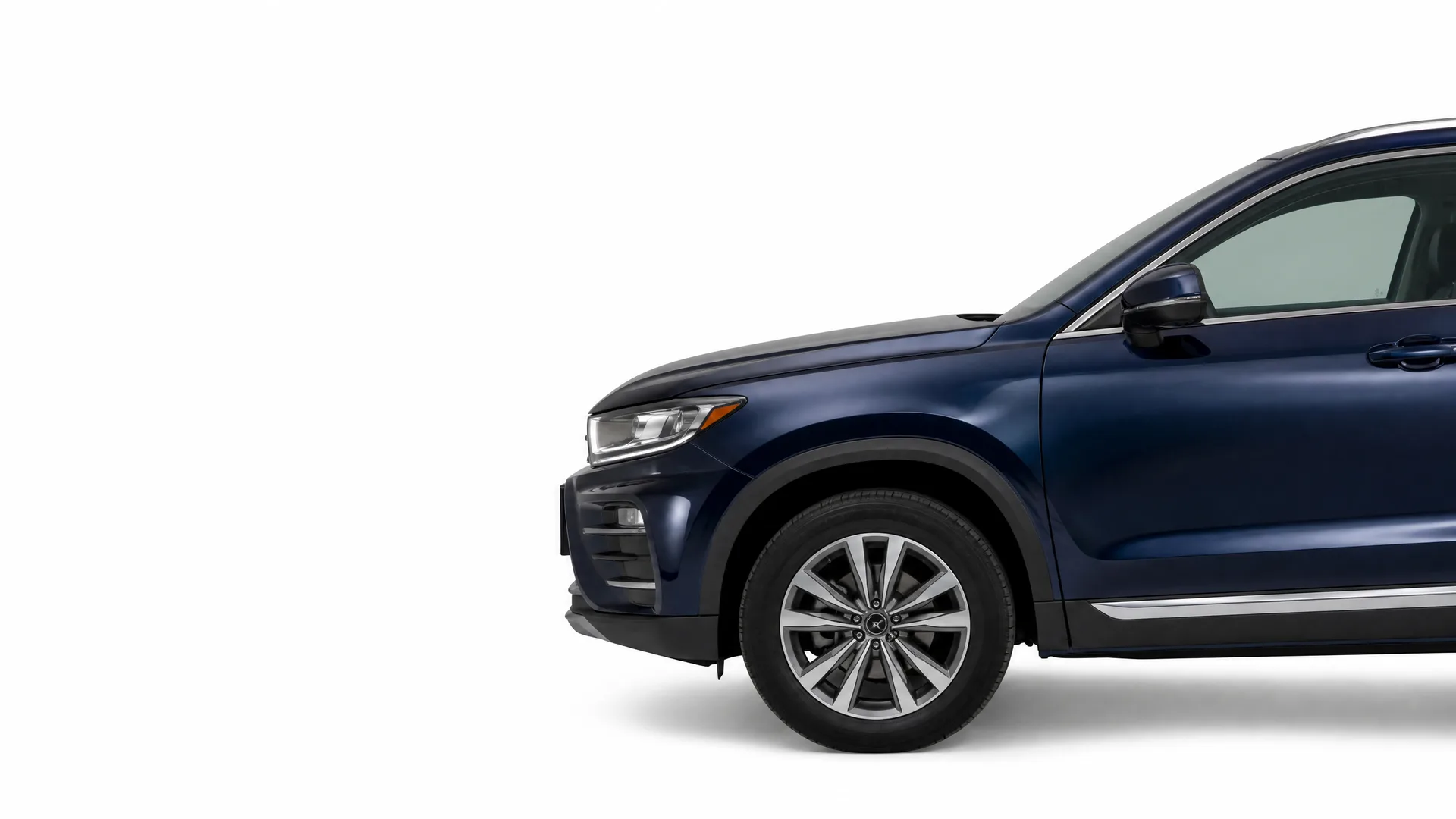
Say you're thirty-four, got your license two years ago, and just bought a car outright after years of relying on transit. You've built up savings since starting a new job, and you're wondering if your standard auto policy is enough. You raise your liability limits to the level your insurer requires for umbrella eligibility, then add a modest umbrella policy on top, reasoning that your savings and your car together are worth protecting even though you're still a fairly new driver.
A year later, you're in an accident that isn't clearly your fault but involves another driver with significant injuries. The claim moves slowly, and the other side's demands eventually exceed your auto liability limit. Because you added the umbrella policy, the excess is covered and your savings are never at risk. The modest yearly cost you paid turns out to be far smaller than what you would have owed without it.
The coverage you need depends on what you'd lose in a lawsuit, not on how long you've been driving.
Does umbrella insurance cover me if I'm at fault for an accident?
Yes, umbrella insurance typically covers you when you're at fault, as long as the claim exceeds your underlying auto liability limit. It steps in specifically for situations where your regular policy isn't enough. Check your policy's exclusions though, since some situations like intentional harm or business use may not be covered. If you drive for work or use your car for anything beyond personal use, confirm that with your insurer, because it can change what the umbrella policy actually covers.
Can I get umbrella insurance without raising my auto liability limits first?
Usually not, most insurers require you to carry a minimum liability limit on your auto policy before they'll sell you umbrella coverage. This is because the umbrella policy is designed to sit on top of that limit, not replace it. The required minimum varies by insurer, so ask directly what yours requires. If raising your limit costs more than expected, compare that cost against the umbrella policy's price, since together they're often cheaper than you'd guess.
Is umbrella insurance worth it if I rent and don't own a car outright?
It depends on your savings and income, not on whether you own property. If you have meaningful savings or expect your income to rise, you still have something to protect even without home or car equity. If you have little saved and few assets, the case for umbrella coverage is weaker right now. Revisit the decision as your financial situation changes, since what makes sense today may not in a few years.