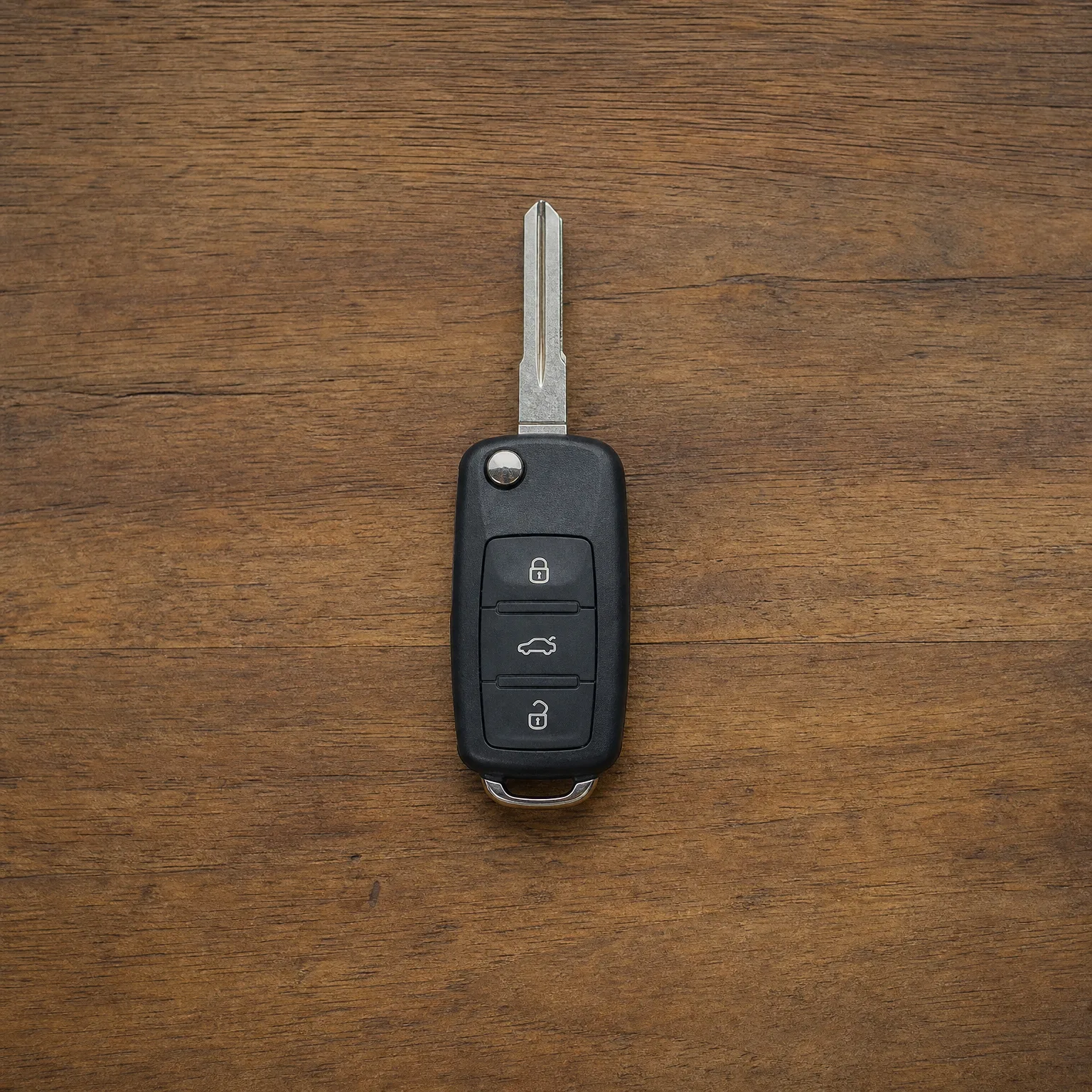
Does a Car Alarm Count as an Anti-Theft Device
A basic audible alarm alone usually doesn't qualify, but it can count if it's part of a system insurers recognize as real theft protection.
Insurers reward devices that actually stop theft, not just make noise
Insurance discounts for anti-theft devices exist because the device lowers the chance the car gets stolen or helps recover it fast if it does. A simple alarm that just blares a siren doesn't do much of either on its own. People ignore car alarms constantly, and a thief can be gone before anyone looks twice. So many insurers treat a basic alarm as a weak signal rather than real protection.
What usually counts is the type of system, not the fact that it makes sound. A factory-installed or aftermarket system that includes an immobilizer, meaning it physically prevents the engine from starting without the right key or fob, is taken far more seriously. Some insurers also give credit for tracking systems that help locate a stolen car, since that affects recovery rates even if it doesn't prevent the theft itself.
This is also an area where rules vary a lot by insurer and sometimes by state. Some companies have a short list of qualifying categories, like passive alarms, immobilizers, and tracking devices, each with its own discount. Others lump everything under one vague anti-theft category and leave it to an agent's judgment. There's no single industry standard, which is exactly why the same alarm can qualify with one insurer and not another.
The practical move is to ask your insurer directly what their definition includes, rather than assuming your alarm qualifies or doesn't. Have the specifics ready, whether it's factory installed, whether it includes an immobilizer, and whether it's passive or has to be armed manually. Those details are usually what decide the answer.
When a factory alarm turned out to qualify after all
A driver who'd just bought a used sedan assumed the factory alarm was just a noisemaker and didn't bother mentioning it when setting up a policy. Months later, while reviewing the policy for other reasons, they noticed a line for anti-theft discounts and called to ask whether their car's system counted. They described what the car came with, including a remote fob that had to be present for the engine to start.
It turned out the fob requirement meant the car had a built-in immobilizer, which qualified under the insurer's passive anti-theft category, something well beyond a basic alarm. The discount got applied retroactively for part of the policy term. The lesson for them wasn't about the alarm itself, it was realizing they'd never actually asked, and that the factory specs sitting in the glove compartment manual held the answer the whole time.

Asking your insurer to check your system before renewing
If you do
You give them the make, model, and any documentation on the alarm or immobilizer. They check it against their discount categories and tell you plainly whether it qualifies, and for how much. If it does, the adjustment often applies going forward, sometimes retroactively. You walk away knowing exactly where you stand instead of guessing.
If you don't
You keep paying whatever rate was set without the discount, even if your car has a qualifying immobilizer or tracking system sitting unused in their records. Nothing changes until you ask, because insurers don't typically go searching for devices you haven't mentioned. The gap just continues quietly, renewal after renewal.
Once you know what your system actually includes, compare quotes to see which insurers give you credit for it.


What actually determines if your alarm qualifies
- Check for an immobilizer An alarm that also stops the engine from starting without the key is taken far more seriously than one that just makes noise. Look in your owner's manual or ask a dealer to confirm.
- Factory vs aftermarket matters Factory-installed systems are often easier to verify and more readily accepted. Aftermarket alarms may need a receipt, installation certificate, or model number to prove what they do.
- Ask about discount categories Insurers often split anti-theft discounts into passive alarms, immobilizers, and tracking devices, each worth something different. Ask which category your system falls into before assuming.
- Tracking systems can count too A system that helps locate a stolen car, separate from any alarm, sometimes qualifies for its own discount. Mention it even if you already disclosed an alarm.
- Get the discount in writing Once an insurer agrees your device qualifies, ask for that noted on your policy or in an email. It protects you if the question comes up again at renewal.
The device has to actually make theft harder or recovery faster. Noise alone was never the point.