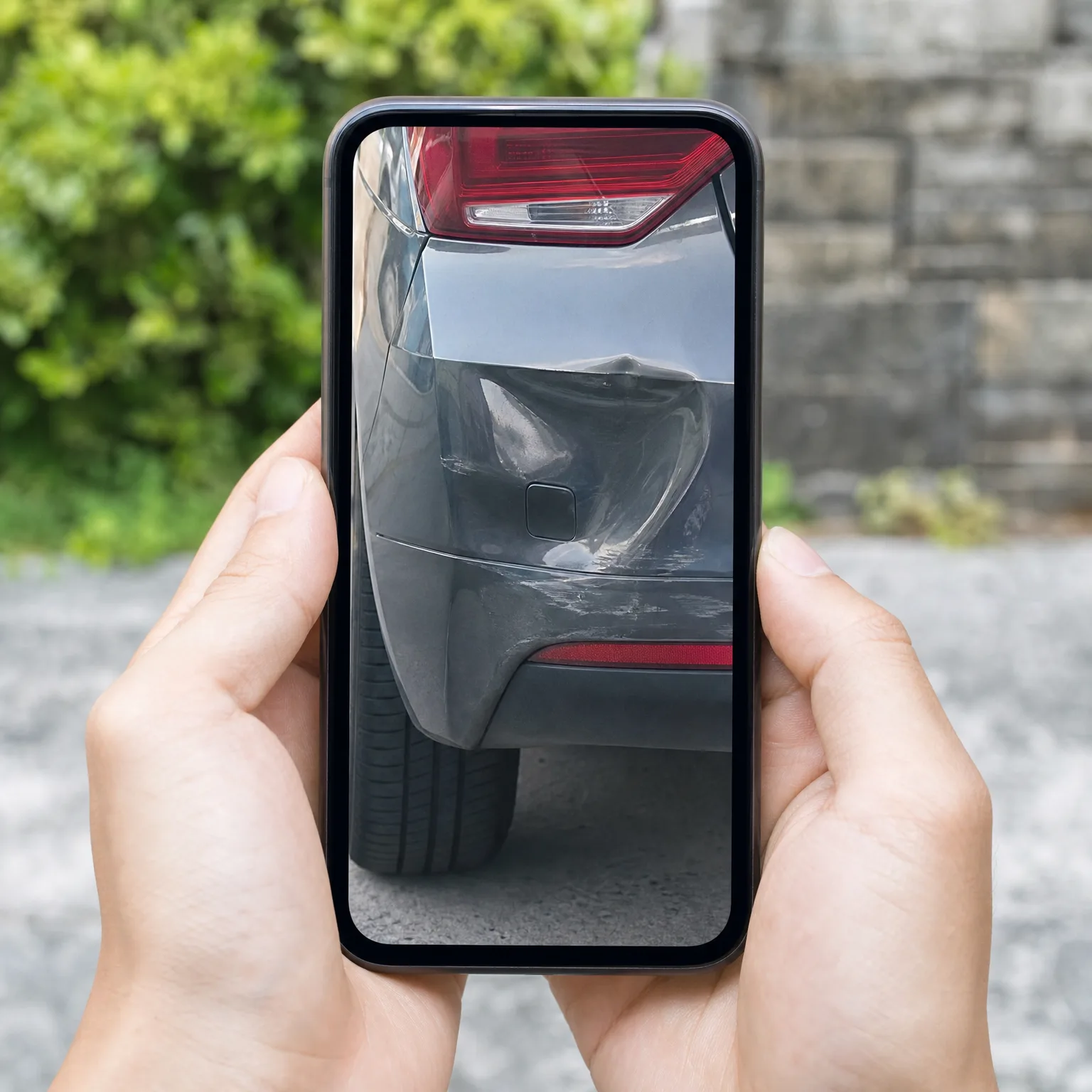
Does Insurance Cover a Non-Listed Driver
A non-listed driver usually has some coverage for occasional use, but regular use without disclosure can leave you exposed.
Coverage follows the car, but disclosure follows the truth
Car insurance is built around the vehicle first and the people who drive it second. When you buy a policy, the insurer prices it based on who they expect to be behind the wheel regularly. That's why most policies extend some coverage to someone borrowing the car once in a while, a friend, a visiting relative, someone helping you move. The policy assumes occasional use by people you didn't name because naming every possible driver would be impossible.
The problem comes in when someone drives the car often but was never added to the policy. Once a person reaches a certain level of regular use, insurers consider them a resident driver or a regular operator, and at that point they're expected to be listed and priced in. If you're new to driving yourself and sharing a car with a spouse, parent, or roommate who drives often, this distinction matters more than it looks like it does on paper.
This is also where state rules and insurer rules start to differ. Some states follow the car strictly, meaning the policy on the vehicle pays first no matter who's driving, as long as that use was permitted. Other insurers write in exclusions for anyone not listed on the household policy, especially if that person lives in the same home. You need to check your specific policy's language on permissive use and on household member exclusions, because those two clauses together decide what actually happens in a claim.
For you, just getting your own driving history started, this matters in two directions. If you're the one occasionally borrowing a car, you likely have coverage for an accident, though it may be secondary to your own policy if you have one. If someone else is driving your car regularly, not listing them can turn a routine claim into a denied one.
When a roommate borrows the car for a weekend
Say you just got your license at thirty-two and bought a used car to get to a new job. Your roommate, who has driven for years, borrows it one weekend because her car is in the shop. She gets into a minor accident, not her fault, but the other driver disputes it. Because she drives maybe twice a year and isn't a resident relative with regular access, the insurer treats this as permissive use. The claim goes through under your policy, because occasional use by someone you allowed was exactly what the policy anticipated.
Now imagine instead that her car breaks down permanently and she starts driving yours three or four days a week. Nobody updates the policy, because it feels like the same situation as before. Six months in, she's in an accident. The insurer investigates how often she drove the car and finds texts and a pattern that shows regular use. They deny the claim or reduce the payout, arguing she should have been listed and rated as a driver on the policy. You're left covering the damage yourself, and your own rates may be reviewed for the gap. The difference wasn't the accident. It was how long the arrangement had quietly become routine before anyone mentioned it to the insurer.

Whether you tell your insurer about a regular driver
If you do
You call or go online and add the person as a listed driver. Your premium may adjust, sometimes up, sometimes barely at all depending on their history. The policy now accurately reflects who drives the car, so a claim involving them gets handled the same as any other claim, without a coverage dispute.
If you don't
The car keeps being driven regularly by someone the insurer doesn't know about. If there's a claim, the insurer can investigate how often that person drove and may deny coverage or cut the payout if they find a pattern. You could end up paying for the damage yourself and facing questions about your own policy.
Once you know who needs to be listed on your policy, compare quotes that price your coverage accurately from the start.

Should I just add every driver I know to avoid any risk?
No, you only need to list people who drive the car regularly or live in your household, not everyone who might ever borrow it. Listing someone who drives once a year adds cost without adding real protection, since permissive use already covers that situation in most cases.
The real test insurers use is frequency and access, not friendship or family ties. A sibling who visits twice a year and drives you to the airport is different from a partner who has a key and drives the car several times a week. If you're unsure where someone falls, ask your insurer directly what their threshold is for listing a driver, since this is one of the places insurers differ most from each other. Getting this right once, early, saves you from guessing during a claim later.
The real question isn't who's allowed to drive your car, but who your insurer thinks does.