How Can I Overcome Anxiety When Driving at Night
You overcome it by driving at night on purpose, in small doses, before you actually need to, not by waiting until you feel ready.
The anxiety is about missing experience, not about your nerve
Night driving asks more of you than day driving. You have less visual information, glare from headlights, and fewer cues about distance and speed. If you learned to drive recently or are still building hours behind the wheel, you haven't had much chance to practice under those harder conditions yet. The anxiety you feel is your brain correctly noticing that it doesn't have a lot of stored experience to draw on for this specific situation. That's not a character problem. It's a data problem.
The fix is building that data deliberately instead of waiting for confidence to show up first. Confidence after competence, not before it. Most people who feel shaky at night got that way because their early driving happened mostly in daylight, whether because of work schedules, a driving course that ran during the day, or just avoiding night trips out of caution. So the skill gap is real, not imagined, and it responds to the same thing any skill gap responds to, which is repetition in low-stakes conditions.
Where this plays out differently is how much night driving your life actually requires. Someone who can arrange their schedule to avoid most night trips can build experience slowly, on quiet roads, with no pressure. Someone whose commute or family responsibilities put them on the road after dark regularly needs to close that gap faster, and might benefit from a few sessions with an instructor who can watch what you're doing and correct small habits, like following too close to compensate for reduced visibility.
The other piece worth naming is that some anxiety is really about not knowing your car. Dashboard glare, where your high beams point, how your defroster handles a foggy windshield at night, these are mechanical unknowns, not driving ones. Learning your specific car in a parking lot after dark removes a layer of unfamiliarity before you add traffic on top of it.
A new driver who avoided night trips for months
Someone in their thirties got licensed after years of relying on transit, then took a job that sometimes ran until early evening. For months they arranged rides home or waited around until it felt light enough outside, which wasn't sustainable and started affecting their work schedule. The anxiety wasn't vague, it was specific: oncoming headlights made them flinch, and they couldn't tell how far away turns were until it was almost too late to signal.
They started with short, low-pressure trips on familiar streets right after sunset, when traffic was light and visibility wasn't yet fully dark. Each week they added a slightly later start time and a slightly less familiar route. After about a month they added a highway stretch they knew well during the day, driven at night with someone else in the car the first couple of times. By the time their work schedule required a solo night drive on an unfamiliar road, it wasn't a new category of task anymore, just a slightly harder version of something they'd already done a dozen times.
Waiting to feel confident keeps you stuck. Confidence shows up after the practice, never before it.
Once you know how you'll build night driving experience, compare quotes with that plan already in place.

Steps that actually reduce night driving anxiety
- Start before you have to Practice on familiar roads at dusk before you're forced into it by work or life. This turns night driving into a planned skill instead of an emergency one.
- Add one variable at a time Change only one thing per trip, like a later start time or a new road, not several at once. This keeps each drive manageable instead of overwhelming.
- Learn your car after dark Sit in a parking lot and figure out your high beams, mirrors, and dashboard glare before adding traffic. Mechanical unfamiliarity is easy to fix and shouldn't be mixed in with driving stress.
- Bring a second driver early on Have someone experienced in the car for your first few harder night trips. They can catch habits you can't see yourself forming, like following too close.
- Check what your state requires Some licensing stages limit night driving for newer drivers regardless of age. Check your state's rules so you know what's required versus what's your own choice.
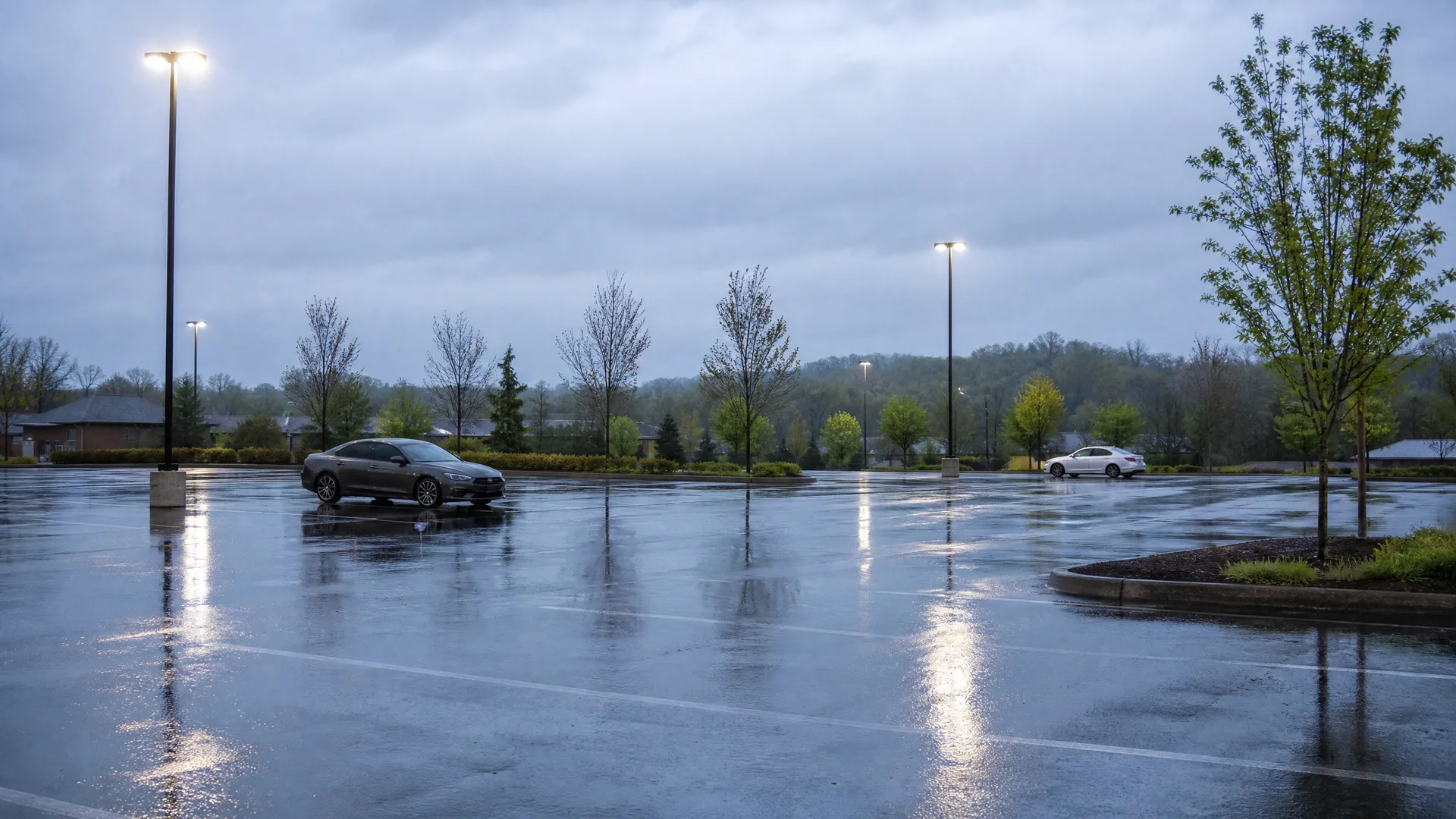
Should I avoid driving at night altogether until I feel ready?
No, and this is the part that trips people up. Avoidance feels like safety, but it keeps the skill gap exactly where it is, so the anxiety never has a reason to shrink. Every night trip you skip is one less rep, and reps are the only thing that actually changes how this feels over time.
The better approach is controlled exposure, not full avoidance and not full immersion either. Pick low-traffic, familiar routes to start, go at a time of your own choosing rather than under pressure, and increase difficulty gradually. If your anxiety feels severe, more like panic than ordinary nervousness, that's worth mentioning to a doctor, since it may be a separate issue from simple inexperience and worth addressing on its own track.