
How Do I Know How Many Miles I Drive a Year
Check your odometer now, subtract last year's reading or estimate from your commute, and round up.
Insurers want a number because distance predicts risk
Every mile you drive is another chance for something to go wrong. Insurers know this, so they price your policy partly on how much you're expected to be on the road. For someone with no driving history, this number carries even more weight, because it's one of the few concrete facts they have about you.
The most reliable way to get this number is to look at your odometer. If your car has a recent reading from an inspection, oil change or purchase paperwork, you can compare it to the current reading and see how much ground you've actually covered. If you're newly insured and have no history, you'll estimate instead, based on your commute, errands and typical trips.
This works differently depending on your situation. If you just started a job with a long commute, your old habits don't apply anymore and you should estimate forward, not backward. If you share a car with someone else, only count the miles you personally drive, not the household total. If your mileage is unpredictable because you're still settling into a routine, give a reasonable estimate now and plan to adjust it once you have a few months of real data.
Insurers also treat estimates differently. Some ask for a yearly figure and trust you to correct it later. Others want more detail, like average daily distance. Check what your insurer asks for, since the format changes how precisely you need to calculate.
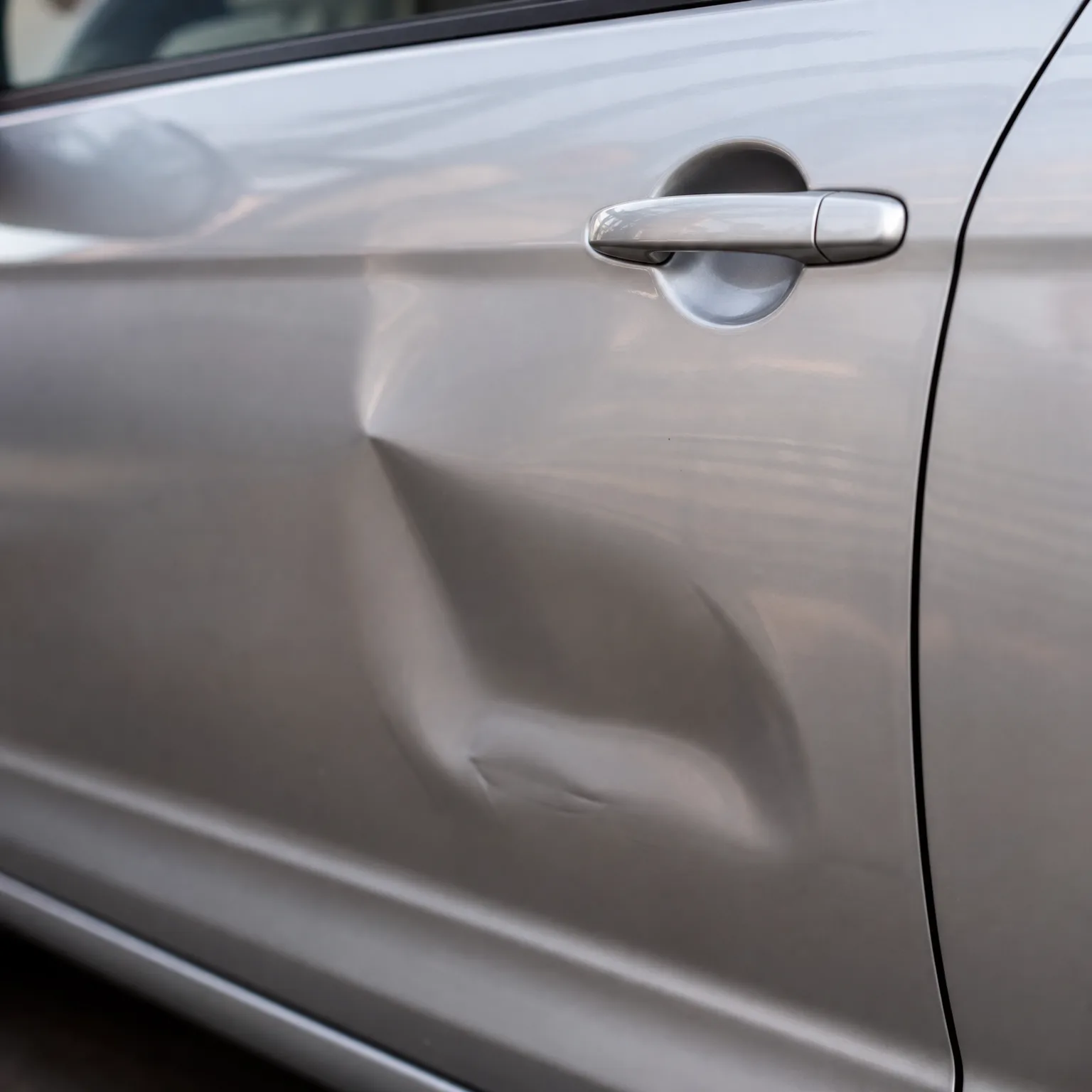
Starting a new commute with no mileage history
Say you just started driving to a job twelve miles away, five days a week, after years of not needing a car. You have no odometer history and no past policy to reference. You start by mapping the round trip distance for your commute, then multiply it by the number of days you'll actually drive, accounting for the weeks you might work from home or carpool.
You add a rough estimate for weekend errands and occasional longer trips, since those add up faster than people expect. You land on a number that feels a little high, so you round down slightly rather than guessing low, since insurers often penalize being far off more than being a bit conservative. A few months in, you check your odometer against your first reading and find your estimate was close. You update your policy with the real number, and because it's lower than expected, your rate adjusts down.

Once you know your yearly mileage, compare quotes using that number so your price reflects how much you actually drive.
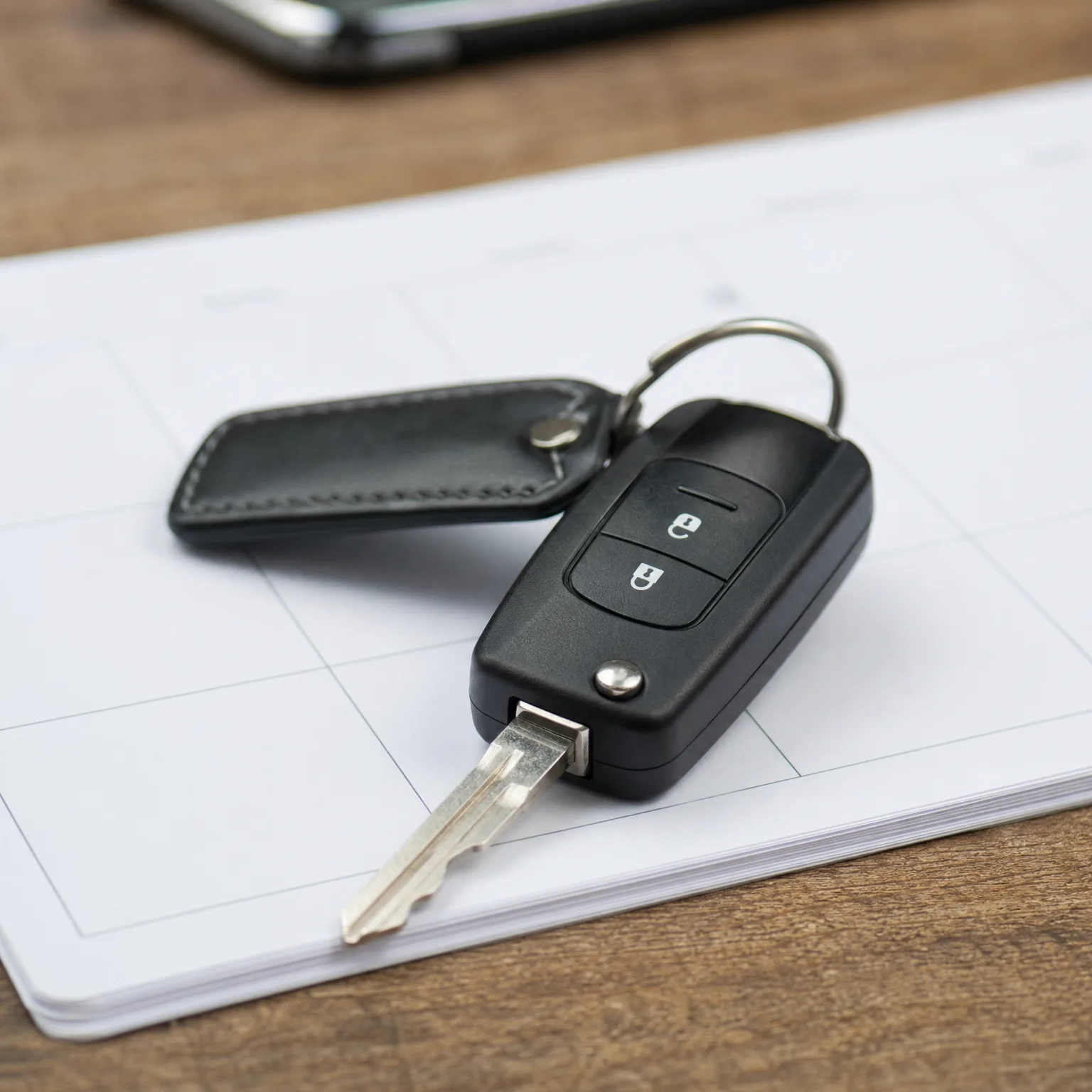
How to pin down your yearly mileage without guesswork
- Check your odometer Write down today's reading as your starting point. Compare it later to see your real pace, especially useful if you have no driving history yet.
- Estimate your commute Multiply your round trip distance by the days you actually drive. This is usually the biggest chunk of your yearly total.
- Add errands and extras Include weekend trips, visits, and anything outside your routine. These add up more than most new drivers expect.
- Round up slightly A high estimate is safer than a low one. Being underestimated can cause problems later if your insurer checks your mileage.
- Revisit after a few months Check your odometer again once you have a real pattern. Update your policy if your estimate was off in either direction.

Your mileage isn't a one time guess. It's a habit you check and correct as your routine becomes real.
What happens if my actual mileage ends up different from my estimate?
Nothing happens automatically, but it matters for your price and your coverage. If you end up driving significantly more than you estimated, your insurer may charge you more at renewal once they learn the real number, and in rare cases involving a claim, a large gap between your estimate and reality could cause problems with how the claim is handled.
If you end up driving less, you're likely overpaying, and you should update your policy to reflect that. The safest approach is to treat your first estimate as temporary. Check your odometer again after a few months, compare it to your original guess, and adjust your policy either way. Insurers generally expect new drivers to need a correction, so updating it isn't a red flag. It's just keeping the number honest.