
How Do I Know if My Car Has a Telematics Tracking Device
Check your dashboard for a plug-in device, look in your insurer's app, and review what you signed up for when you got coverage.
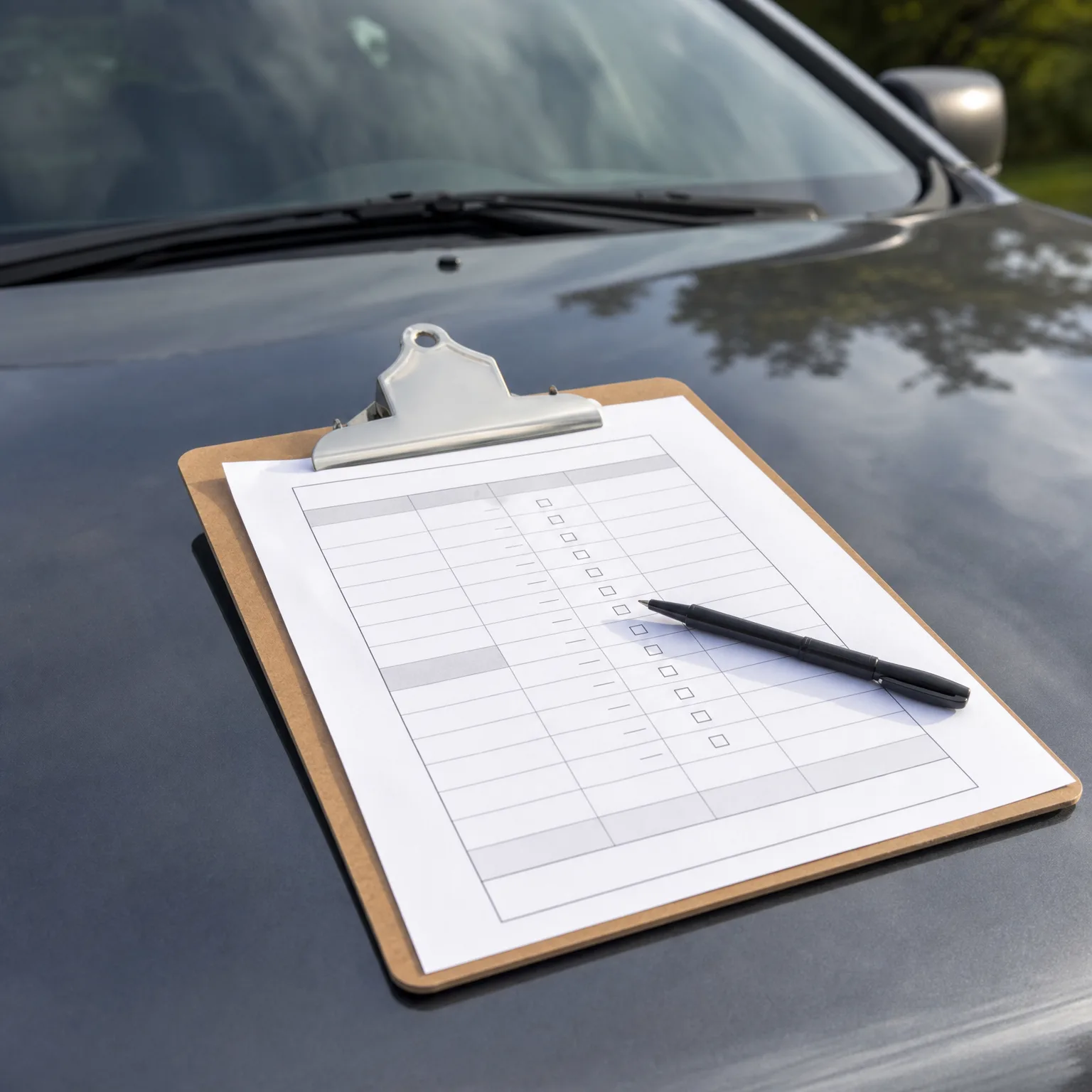
Where tracking devices actually show up
- OBD port plug-in A small device plugged into the port under your dashboard means active trip tracking. Look with a flashlight near your steering column if you're unsure.
- Smartphone app tracking Many insurers track driving through an app instead of hardware. Check your phone for anything installed when you signed up for your policy.
- Factory built-in systems Some newer cars come with tracking already built in by the manufacturer. Check your owner's manual or the manufacturer's account portal.
- Your policy paperwork The clearest proof is in your insurance documents, not your car. Reread what you agreed to when you enrolled, since programs are often opt-in.
- Insurer's customer app Your driving score may already be sitting in an app you downloaded. Log in and look for a dashboard or trip score feature you may have ignored.
Will a tracking device raise my rate because I'm new to driving?
No, not on its own. These programs score how you actually drive, meaning how you brake, corner and when you drive, not how long you've been licensed.
For someone building a record from scratch, this can work in your favor. Instead of being priced mainly on inexperience, you get judged on real behavior, and cautious driving shows up quickly.
The risk isn't the device itself, it's not knowing the scoring factors. Some programs weigh late-night driving or hard braking heavily, which matters if you're commuting at odd hours while still learning. Ask your insurer exactly what's measured before you assume the program helps or hurts you.
Now that you know how you're tracked, compare quotes to find insurers that reward your driving.
Why insurers want data instead of just your history
Insurers price risk using whatever information predicts future claims. For most drivers, past driving history is the strongest predictor they have, so that's what gets used. You don't have that history yet, so insurers either price you cautiously based on general risk groups or offer you a way to prove yourself directly through monitored driving.
Telematics exists to fill that exact gap. Instead of guessing based on age or location, the insurer watches actual behavior, braking patterns, speed, time of day, mileage. For a new driver, this shifts the basis of your price from who you are to what you do, which is often a better deal if your habits are careful.
This varies by insurer and by state. Some states regulate how telematics data can be used in pricing, and some insurers only use it to offer discounts, never to raise your rate. Others fold it fully into the base pricing model. Check your state's insurance department site or ask the insurer directly how the scoring affects your premium, not just whether a device exists.
The cases where it works differently usually involve shared or borrowed cars. If you're driving a car owned by a parent or partner who already has a telematics device installed, the data being collected may be scored to them, not you, unless you're specifically enrolled as the tracked driver. That distinction matters when you're deciding whose policy to be on while you build your own record.
A missing driving history isn't a flaw, it's a gap telematics can let you fill faster than time alone would.
Do I need my own insurance if I'm driving a family member's car?
It depends on how often you drive it and whose name is on the registration. If you drive regularly, most insurers expect you listed on that policy, not uninsured. If it's occasional, being added as a listed driver is usually enough. Check the policy's definition of regular use, since insurers differ on what counts, and an unlisted frequent driver can create coverage problems after an accident.
How long does it take to build a driving record that lowers my rate?
It depends on your insurer's review cycle, often the next renewal period after you start, but continuous clean coverage matters more than calendar time. What counts is an unbroken record with no lapses and no claims. If you switch insurers or let coverage lapse during this stretch, you can reset the clock. Ask any new insurer how they treat your existing history before switching providers early on.
Should I get a telematics discount even if I'm already paying a new-driver rate?
Usually yes, since it gives you a second way to lower your price besides just waiting. The new-driver rate reflects a lack of history, while a telematics program lets you prove safe habits immediately instead of waiting through renewals. Check whether the program is purely discount-based or can also raise your rate, since that changes how much risk is worth taking.