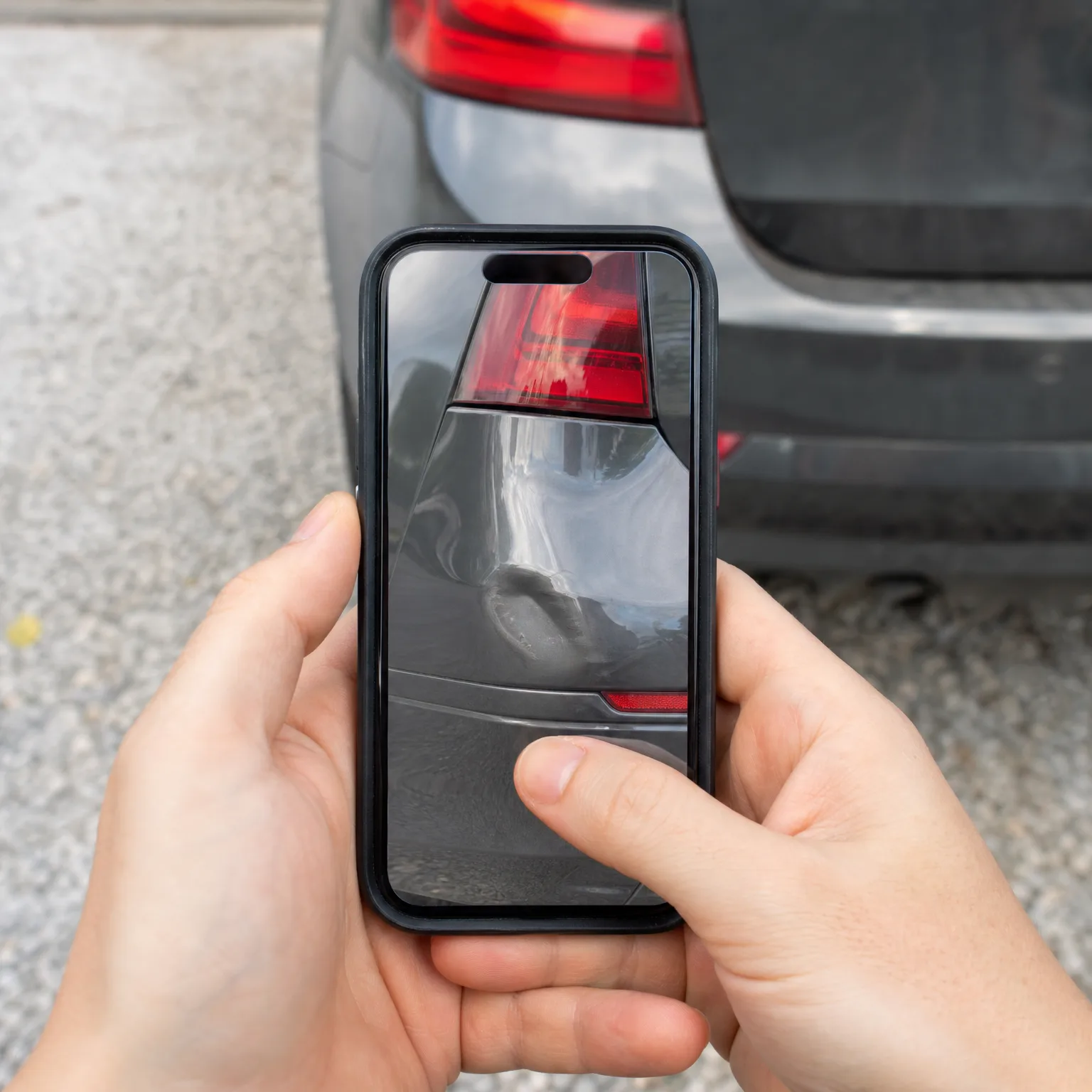
How Do Red Light Cameras Catch You
The camera triggers off road sensors the instant your car enters the intersection after the light turns red, then photographs your plate.
Why the system works the way it does
Red light cameras rely on sensors buried in the pavement near the stop line or on radar built into the camera housing. When a vehicle crosses that sensor after the signal has turned red, it triggers a sequence of photos, usually one showing the car approaching the line and another showing it inside the intersection. Some systems also record a short video clip. The camera does not watch for intent or judge how close a call it was, it simply measures position against the signal timing.
Because the system is automated, the ticket usually goes to the registered owner of the vehicle, not necessarily the driver. This matters for you if you borrow a car or share one, since the citation will follow the plate. Whether the violation affects your driving record or counts as a moving violation depends on where you live, so check how your state classifies camera tickets before assuming it works like a standard traffic stop.
The timing threshold, meaning how long after the light turns red the sensor starts counting a violation, also varies by location and sometimes by intersection. Some places allow a brief grace period for cars already committed to crossing, others do not. This is also set by local traffic authorities rather than the camera manufacturer, so the same camera brand can behave differently from one city to the next.
For you, the practical difference comes down to whether the ticket is treated as a moving violation with points or as a civil fine, like a parking ticket. That distinction decides whether it shows up on your driving record at all, which is what insurers actually look at.
A new driver gets a camera ticket in the mail
You moved to a new city for work and started driving regularly for the first time. A few weeks in, a letter arrives with photos of your car entering an intersection just as the light changed. You don't remember the moment clearly, so you check the citation to see what agency issued it and whether it's listed as a moving violation or a civil penalty in your state.
You find that in your state these tickets are civil fines and don't add points to your license. You pay it and also mention it to your insurer when asked about violations, since some companies ask broadly about any citation. Because it wasn't a point-bearing violation, it doesn't affect your rate, and you move on with one lesson learned, now you brake earlier at that particular light.
Once you know how a red light ticket affects your record, compare quotes to see how insurers actually price it.
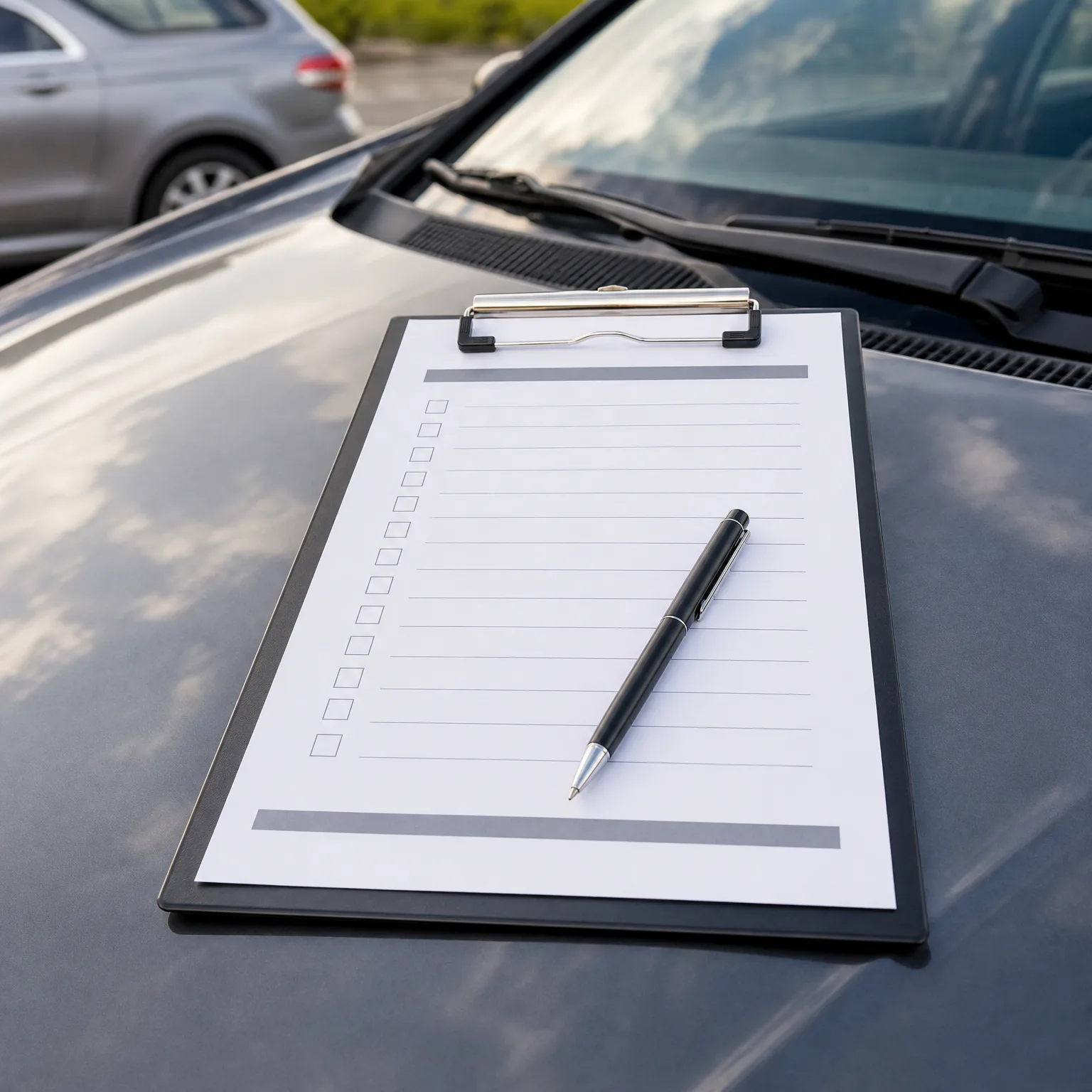
What matters once you get a ticket in the mail
- Check who the ticket names It usually goes to the registered owner, not whoever was driving. If someone else was driving your car, confirm how your state handles that.
- Check if it's a moving violation This decides whether it goes on your driving record at all. Look up your state's classification before assuming it works like a regular ticket.
- Read the photos carefully The citation should show your plate and the intersection clearly. If something looks wrong, there's usually a window to dispute it.
- Ask your insurer what they count Some ask about any citation, others only ask about point-bearing violations. Be ready to explain the difference if asked.
- Note the intersection itself If one light caught you, it may be easy to trigger again. Build the habit of slowing earlier there specifically.
The photo doesn't decide your insurance rate, how your state classifies the ticket does.
Does a red light camera ticket raise my insurance rates?
It depends entirely on how your state classifies the citation, not on the fact that a camera caught you. Where these tickets count as civil fines, similar to a parking ticket, they typically don't appear on your driving record and insurers never see them. Where they count as moving violations, they can add points and show up just like a ticket issued by an officer, which does affect pricing.
Since you're newly building a driving record, this distinction matters more for you than for someone with years of history to absorb one violation. Before you worry about a rate increase, look up how your specific state treats automated camera citations. If you're unsure, your citation itself or your state's DMV site will usually say directly whether points are involved.