
How Does My Insurance Company Know How Many Miles I Drive
Your insurer mostly relies on the mileage you report, then checks it against your commute, odometer readings, or a tracking app.
The number starts as your estimate, then gets checked
When you first get a policy, the mileage figure comes from you. The insurer asks how far you drive in a year, or asks about your commute and typical weekend use, and does the math from there. At this stage it is trust based, not measured, so your honest guess is what sets your rate.
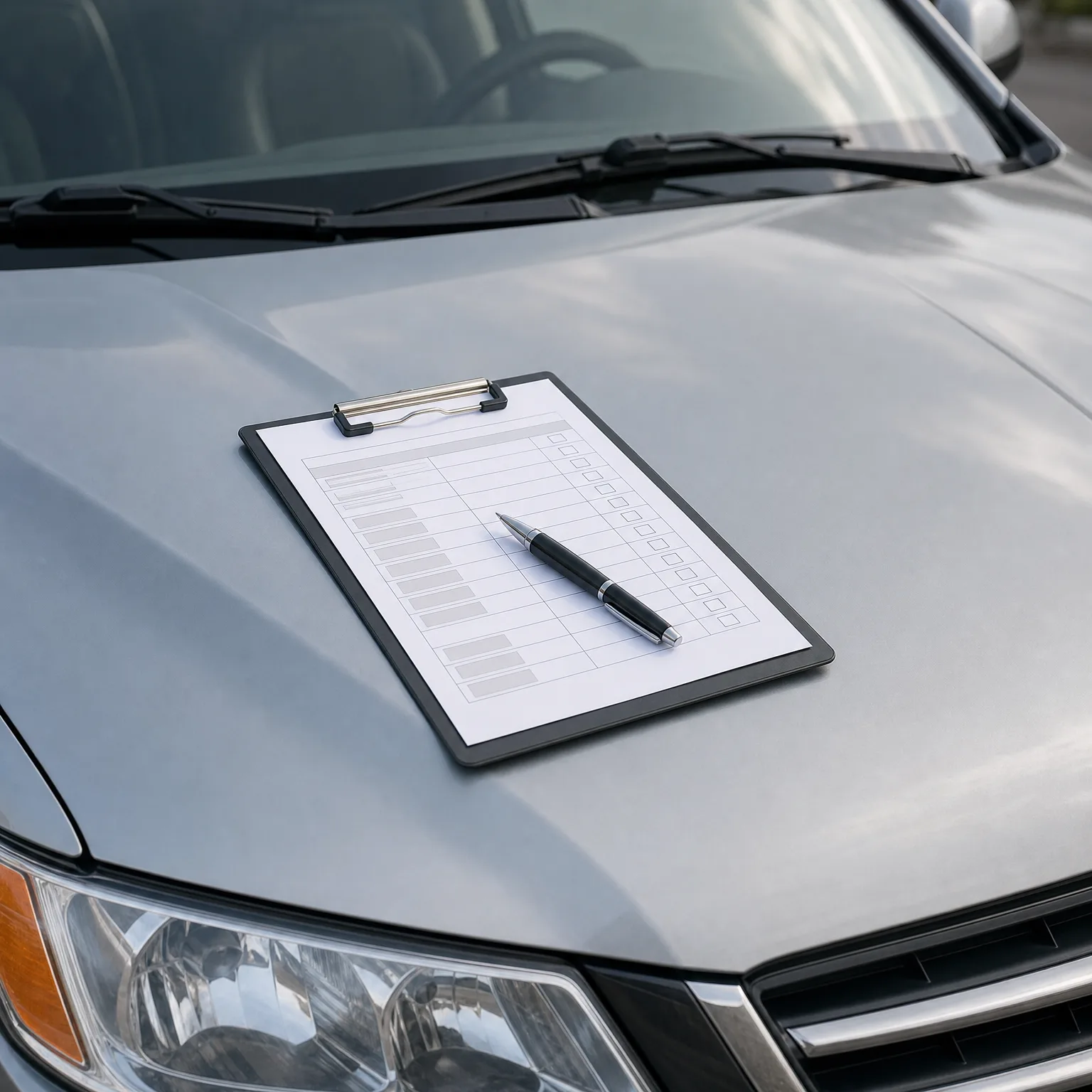
That estimate gets revisited over time. Many insurers ask for an odometer reading when you renew, or when you get the car inspected or serviced, and compare it to what you originally reported. If the gap is large, your rate can be adjusted up or down to match actual use.
Some insurers offer a device or app that tracks mileage and driving habits directly. This is optional in most cases, and if you opt in, the company gets real numbers instead of estimates. This can work in your favor if you drive less than you guessed, since new drivers often overestimate how much they'll be on the road while still building routines.
What counts as proof, how often it's checked, and whether tracking programs exist at all depends on the insurer and sometimes the state, so ask directly what your policy uses.
What actually feeds into the mileage number
- Your initial estimate This is the number you give when you apply, based on your commute and typical trips. Think it through honestly rather than guessing low, since being accurate now avoids surprises later.
- Odometer checks Some insurers request a reading at renewal or during service visits. Keep a rough mental note of your mileage so you're not caught off guard when asked.
- Optional tracking programs Apps or plug-in devices can report mileage and driving patterns automatically. Ask if one is available, since fewer miles or safer habits can lower your rate.
- Changes in routine A new job, move, or change in commute changes your real mileage. Update your insurer when this happens instead of waiting for them to notice.
- State rules on verification How strictly mileage is checked varies by state and insurer. Ask your agent directly what your policy requires and how often.

Reporting your mileage accurately versus guessing
If you do
You give an honest estimate and update it as your routine changes. Your rate reflects your actual driving, any tracking program you join works in your favor, and renewal checks go smoothly since your numbers match reality. You avoid both overpaying and the risk of a flagged mismatch later.
If you don't
You guess low to save money upfront or guess high out of caution. If actual mileage is much higher, an odometer check can trigger a rate increase or claim issues. If it's much lower, you simply overpay for coverage you didn't need, with no way to know unless you ask.
Now that you know how mileage gets tracked, compare quotes to find insurers that reward accurate or lower mileage.
What happens if my reported mileage turns out to be wrong?
If you underestimated and drive more than you said, the insurer may adjust your rate going forward once they find out, usually at renewal or through an odometer check. It rarely voids coverage outright, but it can raise your premium and in rare cases affect how a claim is handled if the gap is large and looks intentional.
If you overestimated, you've likely been paying more than necessary. The fix in both cases is the same, update your insurer as soon as you notice your driving has changed instead of waiting for them to catch it. Being upfront keeps your record clean and your rate accurate, and most insurers treat a corrected estimate as routine housekeeping rather than a red flag.
Mileage isn't fixed once. Keep it honest and current, and the number works for you, not against you.