How to Drive a Manual Car Step by Step
You learn a manual by coordinating the clutch and gas in low gear until the car moves smoothly, then shifting up as speed builds.
Five steps that take you from stall to smooth shifting
- Find the friction point This is where the clutch starts to engage the engine. Practice pressing the clutch down fully, then lifting it slowly until you feel the car want to move, without touching the gas yet.
- Start in first gear Ease off the clutch while giving light gas until the car rolls forward steadily. Expect some jerking or stalling at first, that's normal and part of learning the balance.
- Shift up as you accelerate Press the clutch, move the gear lever, release the clutch while easing onto the gas again. Shift to second around walking-to-jogging speed, then higher gears as the car picks up speed.
- Practice stopping, downshifting Press the clutch before you stop so the engine doesn't stall, then shift down through the gears as you slow. Coming to a full stop, press the clutch all the way and shift to neutral or first.
- Master hill starts separately Hills add the challenge of not rolling backward while you switch from brake to gas. Practice on a gentle slope first, using the handbrake or the clutch's friction point to hold you in place.
Learning on a borrowed car before buying your own
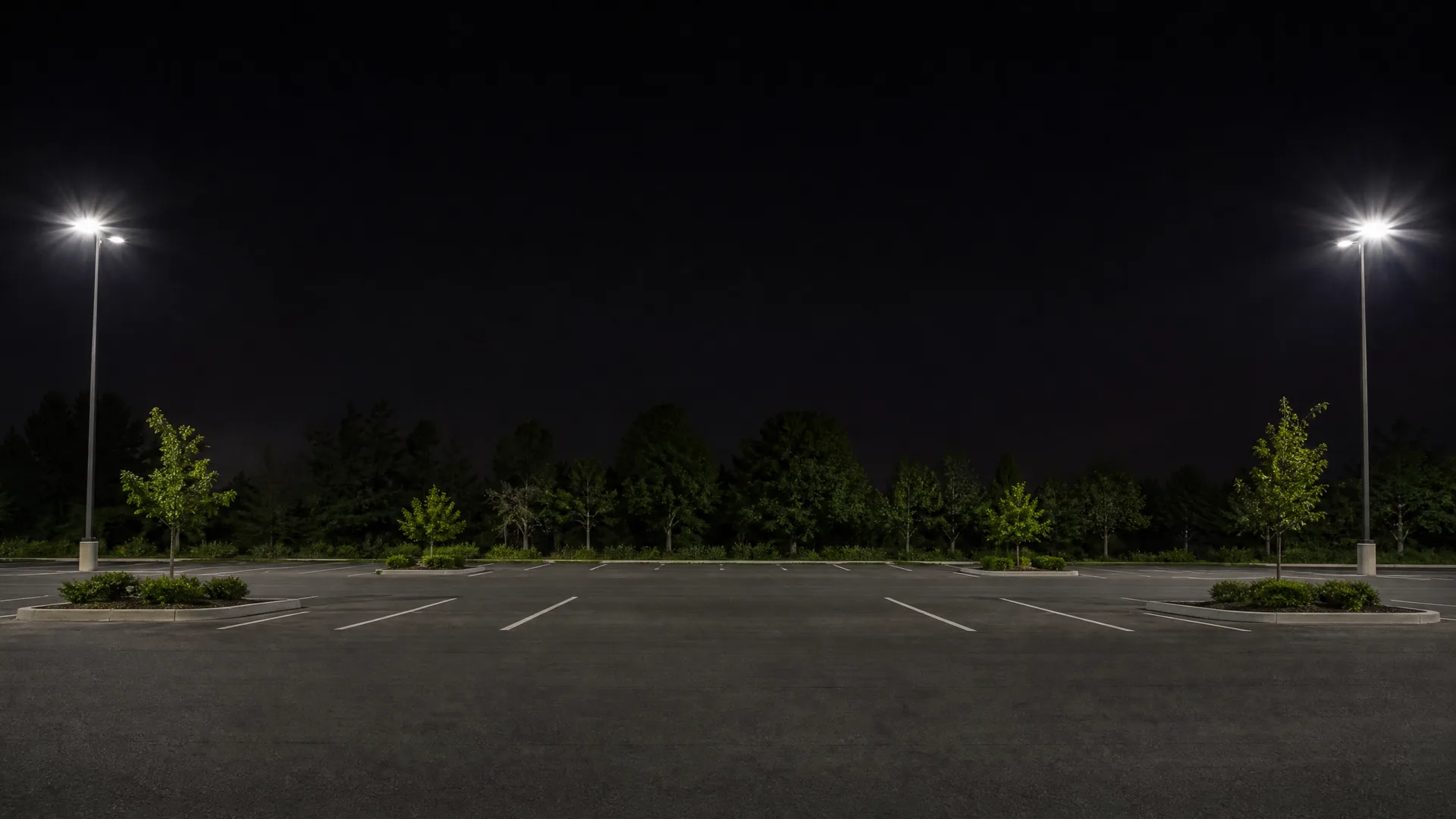
A reader in his thirties had just taken a job that required driving, after years of living in a city and never needing a car. He didn't own one yet, so he borrowed his brother-in-law's manual pickup on weekends to practice in an empty parking lot. He spent the first few sessions just working the clutch and finding the friction point, without worrying about actually going anywhere.
He asked his brother-in-law to add him temporarily to the truck's insurance policy as an occasional driver while he practiced, since he was driving the vehicle regularly even though he didn't own it. After a few weeks he could start, shift, and stop without stalling, and he moved on to practicing on quiet residential streets, then eventually in light traffic. By the time he bought his own car, an automatic since that's what he found available and affordable, he already had weeks of real driving experience logged, which helped when he applied for his own policy as a new driver.
Whether you practice on someone else's manual car
If you do
If you're added to the car's policy as an occasional driver, you're covered while you practice, and any accident gets handled under that policy. The owner's insurer knows you're driving the car and the coverage applies to you by name.
If you don't
If you're not listed and something happens, the owner's insurer may deny the claim or drop their policy entirely, since an undisclosed regular driver is grounds for that. You could end up personally responsible for damage or injury costs.
Once you know whose policy covers you while you practice, compare quotes to find coverage that fits your situation.
Why manual driving works the way it does
A manual transmission puts the driver in direct control of how engine power reaches the wheels, through a clutch that disconnects the engine so you can change gears without grinding them. Automatic cars do this switching for you, which is why manual driving feels like an entirely different skill even though the destination, moving the car forward, is the same.
The friction point is the core of everything else. Once your body learns where that point is for a given clutch, starting, stopping, and shifting all become variations on the same feeling. This is why practice in a low-pressure setting, like an empty lot, matters more than reading about it, the skill lives in your foot and hand coordination, not in your head.
Where this varies is the car itself. Every clutch has a slightly different friction point and pedal feel, so skills transfer between manual cars but need a short adjustment period each time you drive an unfamiliar one. Hills, trailers, and stop-and-go traffic all add difficulty on top of the basic skill, which is why most learners practice on flat, quiet roads first.
For you specifically, since you're building driving experience generally, learning manual is optional unless a job or a specific car requires it. If your main goal is simply becoming an experienced, insurable driver, an automatic will get you there just as well, and you can learn manual later as a separate skill if you want it.
Whoever's car you're learning in, make sure their insurer knows you're driving it regularly, not just once.