How to Drive on the Freeway for the First Time
Pick a low-traffic time, choose an easy on-ramp, and build speed before you merge so you slide into traffic instead of fighting it.
Freeways feel dangerous because they demand speed, not skill you lack
Most new driver fear on freeways comes from one thing. Everything moves fast, and fast feels unfamiliar even if you already know how to steer, brake and signal. The actual skills are the same ones you use on city streets. What changes is the pace at which you have to use them, so the real task is building comfort with speed, not learning something new.
The merge is the hardest part because it asks you to match speed with cars already moving fast, using a short ramp to do it. Drivers already on the freeway expect you to arrive at their speed, not below it. If you enter too slowly, you force people to brake or swerve around you, which is where most first-timer anxiety and most real risk comes from. Accelerating fully on the ramp, before you reach the merge point, solves most of this.
Lane position matters more on freeways because mistakes compound at speed. Staying in a middle lane, away from entrances and exits, gives you more time to react and fewer decisions to make at once. Trucks and fast-moving traffic tend to collect in the leftmost and rightmost lanes, so a middle lane keeps you clear of both.
Where this plays out differently is in cities with short ramps or freeways that merge directly from a stoplight. In those cases, check what your state's driver handling guide says about acceleration lanes and right-of-way at merges, since the rules for who yields can vary. Weather and traffic density also change how much space and speed you need, so the same ramp can feel completely different on a clear morning versus a rainy evening.
A driver's first real freeway trip for a new job
A driver in her late thirties needed to take the freeway for a new job that started the following week. She had never driven on one before, so she picked a Sunday morning, when traffic was light, and drove the exact route beforehand with a friend in the passenger seat. She chose an on-ramp she had scouted ahead of time, one that was long enough to build real speed, and checked her mirrors early so she wasn't scanning for a gap at the last second.
On the ramp, she accelerated to match the traffic speed before looking for a space to merge, rather than slowing down to wait for one. She stayed in a middle lane the whole trip and let faster cars pass her on the left. The first drive felt tense for the first few minutes, but by the time she reached her exit, her shoulders had relaxed and the speed no longer felt unusual. She drove the same route twice more before her first day of work, and by then the freeway portion of her commute had become the easiest part of her drive.

Whether you practice the route before you actually need it
If you do
You arrive at your first real freeway trip already familiar with the ramp, traffic pattern and exit. The speed and merging feel repeatable instead of new. You can focus on driving well instead of figuring out where you are, which lowers stress and lowers the chance of a last-minute lane change.
If you don't
Your first freeway experience happens under pressure, often when you're already late or stressed. You're learning the merge, the route and the exit all at once, at full speed, with no room to slow down and think. Small hesitations become dangerous because everyone around you is moving fast and expects you to keep up.
Once you decide how you'll handle your first freeway drive, compare quotes built for a driver still gaining experience.
How do I know when to merge onto the freeway safely?
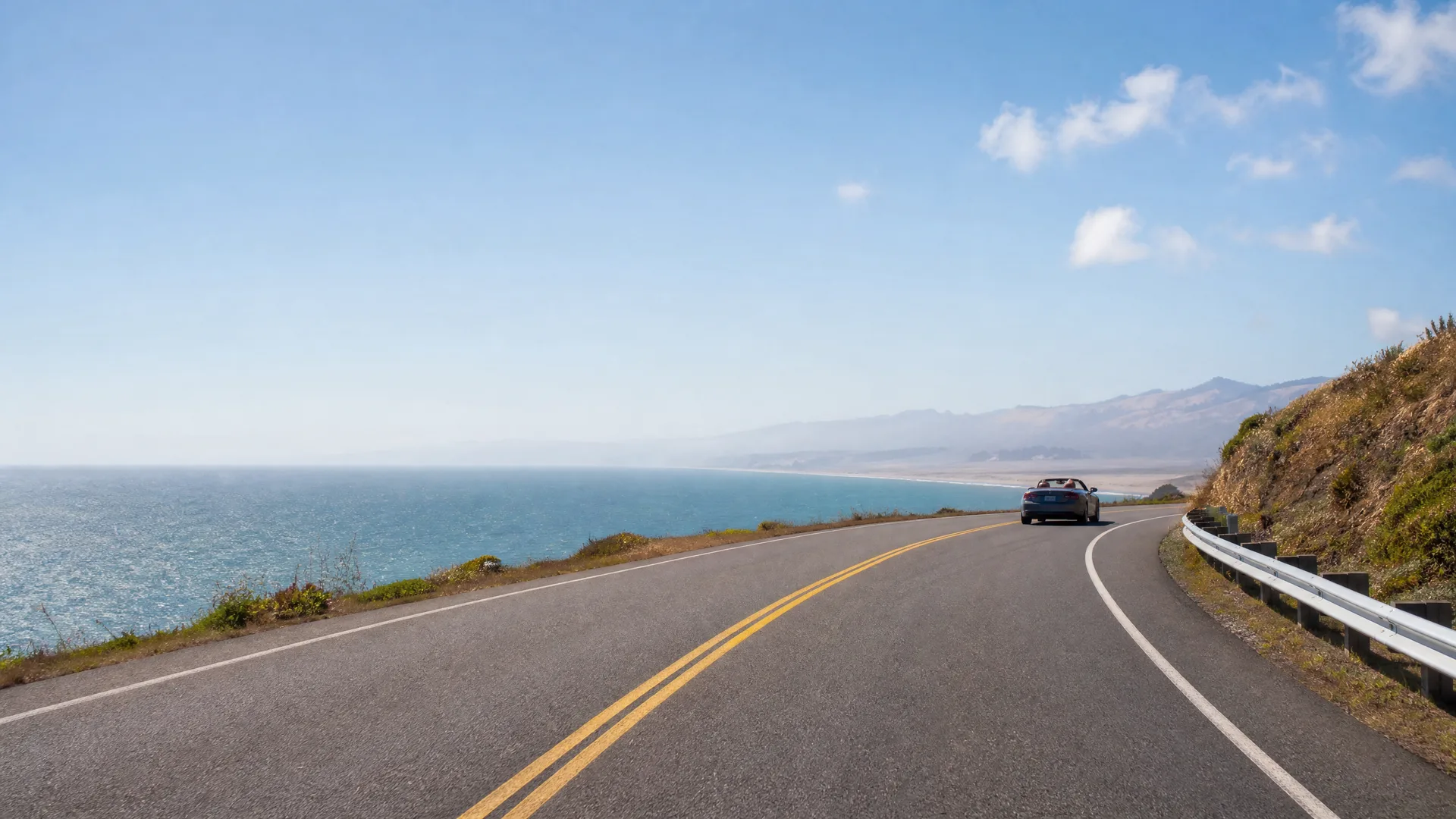
You merge when your speed matches the traffic already on the freeway and a gap lines up next to you. Watch the cars in your mirror and over your shoulder as you accelerate on the ramp, not after you reach the end of it. The gap you need gets easier to find once your speed matches, since cars behind you have time to adjust rather than react. If the ramp is short, check your state's guide for how merging right-of-way works there, since some states expect through traffic to yield.
What do I do if I miss my exit on the freeway?
You keep driving to the next exit rather than stopping or reversing. Slowing down or backing up on a freeway is far more dangerous than driving an extra few minutes out of your way. Most freeways have another exit within a short distance, and many have signs showing what's ahead so you can plan your turnaround. Check a map of your route beforehand so you know generally what your backup exit looks like, which makes a missed exit feel like a minor detour instead of a crisis.
Is it normal to feel anxious driving on the freeway as an adult beginner?
Yes, and it usually fades with repeated short trips rather than one long one. The anxiety comes from unfamiliar speed, not from doing anything wrong, so driving the same short stretch several times builds comfort faster than trying to push through a long drive. If the anxiety doesn't ease after several calm, low-traffic trips, that's worth mentioning to a driving instructor, since a short refresher session can target exactly what feels hardest.
The freeway tests your comfort with speed, not a skill you're missing, and comfort comes from repetition.