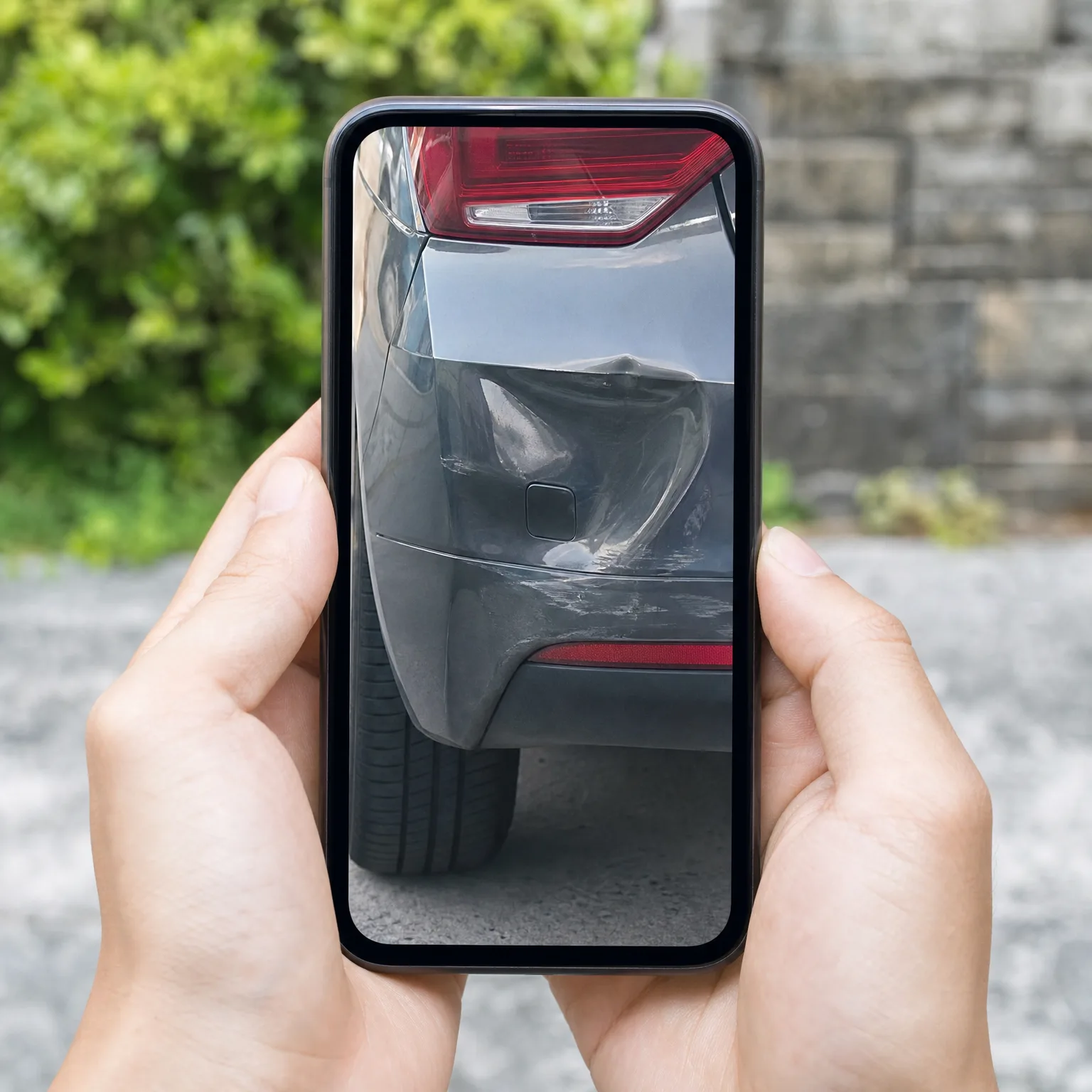
If I Drive Someone Elses Car Whose Insurance Pays
In most cases the car's insurance pays first, and your own policy backs it up if the damage goes beyond that.
What decides who pays when you borrow a car
- The car's policy pays first Insurance in most states follows the vehicle, not the driver. Check the car owner's policy limits before you borrow it regularly.
- Your policy can back it up If the damage costs more than the car owner's coverage, your own policy may step in. Know your own limits so you're not surprised.
- Permission matters a lot Coverage usually assumes the owner said yes. Always ask first, even for a short trip, and keep that permission casual but clear.
- Regular use changes things Driving the same car often can make insurers expect it listed on a policy. If you borrow one car a lot, tell the owner's insurer or get your own coverage.
- A claim can follow either driver Fault and claims history can affect both people's future rates. Talk with the owner about how you'd handle a claim before it happens.
The short version
The car owner's insurance usually pays first, and your own policy covers what's left if the damage is bigger. This holds as long as the owner gave permission and you're not driving their car regularly. If you borrow one car often, ask the owner to check with their insurer, or get your own policy in place.
What if the car owner doesn't have insurance at all?
Then you're in a harder spot. If the car you're driving has no insurance behind it, your own policy may still cover you, but only if you have coverage that applies when you drive other cars, sometimes called non-owner or named-driver coverage depending on the state.
Without either policy in place, there's no insurance to pay for damage or injuries, and you could be personally responsible for the cost. This is worth asking about before you borrow a car from someone, especially if you don't know them well. A quick question about their coverage can save you from a very expensive surprise later.
Once you know whose policy covers you in someone else's car, compare quotes so your own coverage fills the gap.
Why the car usually comes before the driver
Car insurance is built around the vehicle because that's the thing causing potential damage. Insurers price a policy based on the car, who typically drives it, and where it's kept, so coverage naturally travels with the car when someone else gets behind the wheel with permission.
Your own policy exists as a second layer. It's there in case the first layer isn't enough, or in case the first layer doesn't exist. This is why having your own insurance still matters even if you don't own a car. It protects you in exactly the situation where someone else's coverage falls short.
Permission is the quiet condition underneath all of this. Insurers generally assume you had a reasonable belief you were allowed to drive the car. If you took it without asking, or used it in a way the owner wouldn't have agreed to, coverage can get complicated or disappear entirely. This is less about catching you out and more about the insurer only promising to cover ordinary, expected situations.
Where this gets different is when the arrangement stops looking occasional. If you drive someone's car all the time, insurers in some states expect that relationship to show up on the policy, either as a listed driver or through your own coverage. What counts as occasional versus regular isn't universal, so ask the owner's insurer directly if you're unsure.
The real risk isn't borrowing a car, it's doing it often without any policy expecting you there.