Is Car Insurance Based on the Person or the Vehicle
Both matter, but as a new driver, who you are behind the wheel weighs more than what you drive.
A new driver picks between two cars and two policies
An adult getting licensed for the first time was choosing between insuring an older sedan she already owned and a newer car she was thinking of buying for the extra safety features. She assumed the newer car would cost much more to insure, so she almost ruled it out before getting quotes. When she actually compared both, the difference was smaller than she expected, because her own lack of driving history was already pushing the price up more than the car choice did.
She also had to decide whether to be the primary driver on her own policy or join a family member's as a listed driver. She chose to start on her own policy, even though it cost more at first, because every month of clean driving on her own record would count toward her own history. Riding as a listed driver somewhere else would have been cheaper immediately, but the record built would belong more to the policy than to her. Once some time had passed with no claims, her rate had already improved enough that the gap between the two cars barely mattered anymore.
Will my rate drop once I have a driving record, even without a new car?
Yes. The driving record you build matters independently of the vehicle, and insurers reward time spent without accidents or claims regardless of what you drive. As time passes with a clean record, that history starts to outweigh the fact that you started with no record at all.
This is one of the most reliable ways your rate improves, and it doesn't require switching cars or insurers. You do need to stay with a policy long enough for that history to show, since starting over somewhere new, or spending long stretches without coverage, can erase some of that progress. Ask any insurer you're considering how they treat driving history when you're close to a renewal.

Insure the car yourself, or ride on someone else's policy
If you do
If you get your own policy, every clean month becomes your own driving history, something no one can take from you later. It costs more up front since you're starting with no record, but it builds toward lower rates under your own name and gives you full control over coverage choices as your situation changes.
If you don't
If you stay a listed driver on a family member's policy, you'll likely pay less right now. But the driving history being built belongs more to that policy than to you, so when you need your own policy later, you may still look like a newer driver than your actual time behind the wheel suggests.
Now that you know both you and your car affect the price, compare quotes to see how that balance plays out for you.


What actually sets your price as a new driver
- Your driving history Insurers look for a record of time spent driving without claims. With none yet, you'll likely be priced like a higher-risk driver until you build one, regardless of your age.
- The car you choose Cost to repair, safety features and how often that model is stolen or damaged all affect price. It matters, but usually less than your lack of history at this stage.
- Whose policy you're on Being the primary policyholder builds your own record faster. Being a listed driver elsewhere may be cheaper now but builds less history under your name.
- Where you live and drive Location affects risk and cost, and rules around new drivers can vary by state. Check what your state requires for someone licensed as an adult.
- Proving you drive safely Some insurers offer ways to show careful driving through monitoring programs. Ask directly since this varies by company and isn't offered everywhere.
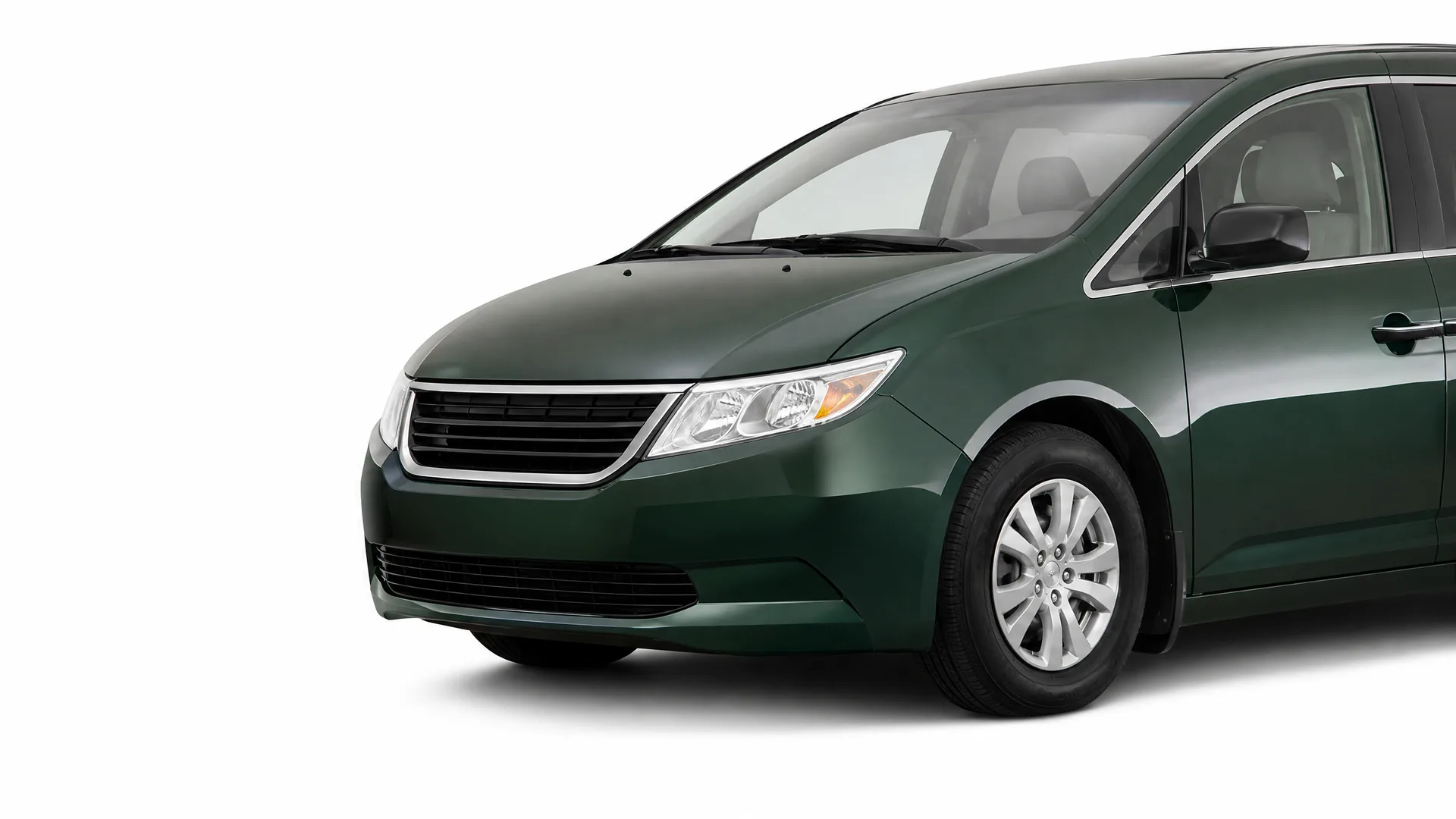
Your driving record will outweigh your car choice, so build that record first and let the car matter less.