
Is It Cheaper to Combine Car Insurance with Partner
Yes, for most couples, one combined policy costs less than two separate ones, but your record as a new driver still matters.
Why sharing a policy usually costs less
Insurers price a policy based on the risk of everyone on it. When they look at a combined policy, they average that risk across both drivers instead of judging each one alone. If your partner has years of clean driving history, that experience pulls the combined price down even though you're still new. The insurer is betting on the household as a whole, not just on you.
This is also why the savings aren't automatic. If your partner has a rough driving record, your own lack of history won't balance that out. And if you're newer to driving than your partner but still a legal adult with your own income and credit history, insurers weigh that too. A combined policy almost always costs less than two separate ones for the same cars, because insurers give a price break for bundling. But the size of that break depends on both of your records, not just one.
Where this varies is in how insurers treat unmarried partners versus spouses. Some treat them identically for pricing purposes. Others ask for proof you live at the same address or have been together for some length of time before letting you combine policies. Check with the insurer directly, since this rule differs by company and sometimes by state.
There's also the question of what car you're insured on. If you'll be driving your partner's car regularly, you generally need to be listed as a driver on that policy regardless of whether you combine coverage. Leaving yourself off a car you drive often can cause real problems if you're ever in an accident.

A new driver moving in with a partner who already drives
Say you're thirty-two, just got your first license after years of not needing one in a walkable city, and you're moving in with a partner who has been driving for over a decade with a clean record. You each currently have separate insurance, yours brand new and expensive, theirs long-standing and cheap. The question is whether to combine.
You call your partner's insurer and ask what a combined policy would cost with you added as a second driver. Because your partner's history is strong, the combined price comes in lower than what you're paying alone right now, even with you counted as inexperienced. You switch, keep your partner's company, and make sure the cars you'll each actually drive are both listed correctly on the policy. A year later, with a clean record of your own, you ask for a re-rate and the price drops again.
What if we break up or one of us moves out?
You'll need to split the policy, and each of you will likely pay more alone than you did combined, at least until you've each built up more history. This is worth knowing upfront, not as a reason to avoid combining, but so the eventual cost of separating isn't a surprise.
Most insurers can split a joint policy into two individual ones without much hassle. The driver with the stronger record will usually get a better individual rate than the one still building history. If you're not married, ask the insurer how they handle removing a partner before you combine, so you know the process ahead of time rather than during a stressful move.
Now that combining looks worth it, compare quotes for a joint policy against what you're each paying alone.
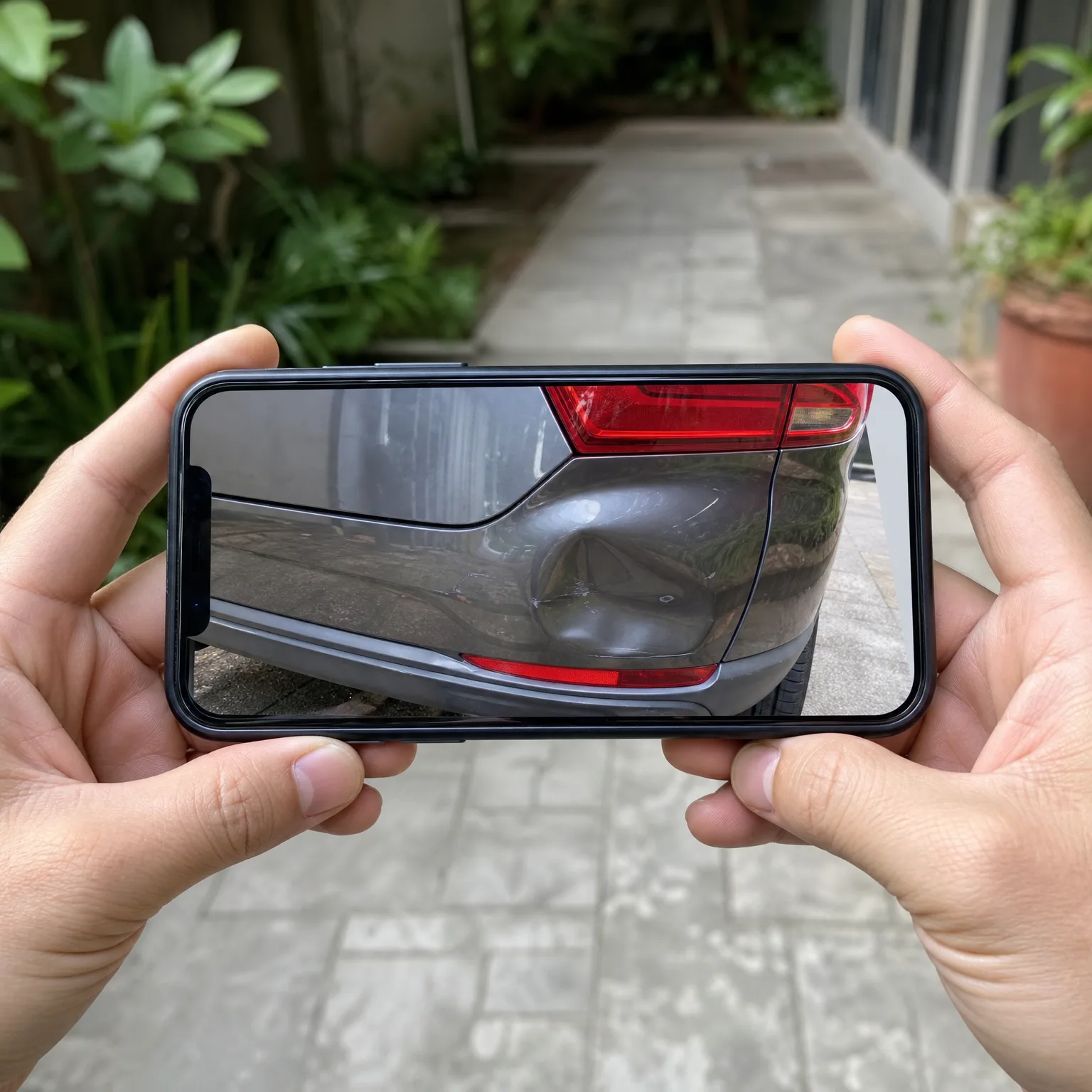
What to check before you combine policies
- Both driving records The insurer weighs both of you together, so ask how your partner's history affects the combined price before assuming it will be cheaper.
- Proof of shared address Unmarried partners are sometimes asked to show they live together. Have a lease, mail, or utility bill ready when you apply.
- Every car, every driver If you'll drive your partner's car regularly, you need to be listed on that policy regardless of whether the policies are combined.
- Re-rate after a year Once you have your own clean record, ask the insurer to recalculate your price. New drivers often see real drops after the first year.
- What splitting costs later Ask how the insurer handles separating a joint policy, so you know the process if your living situation changes.
The price isn't about your inexperience alone, it's about the two of you as a household.
Do I need my own car insurance if I rarely drive?
Yes, if you have a license and access to a car, you generally need to be listed as a driver even if you drive rarely. Insurers consider anyone with regular access to a vehicle a potential driver of it, and leaving yourself off entirely can void coverage if you're ever in an accident. Occasional use can sometimes get a lower rate than full-time use, so ask the insurer about that option specifically rather than skipping coverage altogether.
Will my rate go down once I have driving experience?
Yes, typically your rate drops once you've built a record with no accidents or violations, often after about a year. Insurers rely heavily on history because it's the clearest predictor of future risk, and a new driver simply hasn't generated that data yet. Ask your insurer when they review new drivers for a rate adjustment, since some do it automatically and others require you to request it.
Should I get my own policy before moving in with a partner?
Not necessarily, since combining as soon as you move in often costs less than maintaining two separate policies in the meantime. The main reason to wait is if you want to establish some driving history first, which can improve the combined rate once you do join. Check whether your partner's insurer allows you to add a new driver immediately or wants to see some history first.