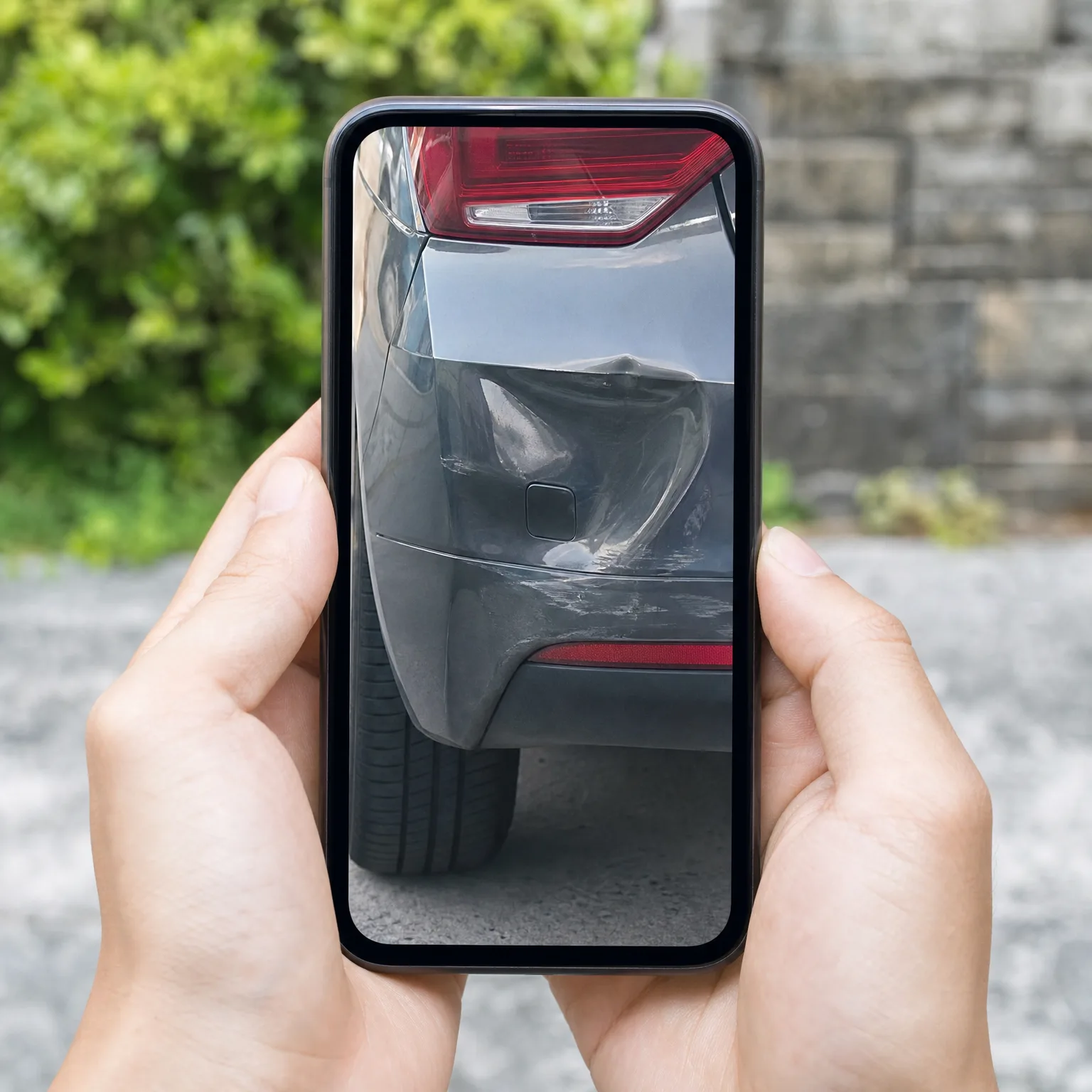
Is It Okay to Drive a Car Under Your Parents Insurance
Yes, you can usually be covered under your parents' policy if you live with them, but once you move out or buy your own car, that changes.
It comes down to who lives where and who owns the car
Insurers build a policy around a household, not just one person. If you live at your parents' address, you're considered part of that household, and the company expects every driver there to be listed on the policy, including you. That's why being added usually isn't optional once you're regularly driving a car that's garaged at their home.
What changes the answer is ownership and address. If the car is titled in your parents' name and you live there, you typically stay on their policy as a listed driver. If you buy your own car, even while still living at home, many insurers want that car and you listed in a way that reflects you as a primary driver, sometimes on your own policy or as a named driver with your own rating.
Moving out usually ends the arrangement, because the insurer no longer sees you as part of that household's risk. Some companies allow a grace period for a driver away at school, but that's a specific exception, not the general rule, and it depends on the insurer and sometimes the state. Always check directly rather than assuming.
The other variable is whose name is financially responsible. Staying on a parent's policy usually means claims and rate changes connect to that policy, which matters if you're building your own driving record. At some point, having your own policy starts making more sense, both for independence and for establishing a history that's yours alone.

What actually determines if this works for you
- Where you live If you live with your parents, insurers usually expect you on their policy. If you've moved out, that arrangement generally doesn't apply anymore.
- Who owns the car A car titled to your parents fits naturally under their policy. A car you bought yourself may need to be insured separately, even if you're still at home.
- Your driving record so far Staying on a shared policy means your record builds alongside theirs. Ask how claims or incidents would be reported before assuming nothing changes for you.
- State and insurer rules Some states and companies treat household drivers differently, especially for students living away. Call and ask directly instead of guessing based on what you've heard.
- Your long-term plan If you plan to get your own car or move soon, ask what happens to your coverage then. It's easier to plan the switch now than scramble later.
Moving back in with parents after giving up a lease
Say you just got your first license and moved back into your parents' house while you save money. You don't own a car yet, so you're planning to drive theirs occasionally. Because you live there and the car is titled to them, the insurer wants you listed as a driver on their policy, not on a separate one of your own. You call their insurer, explain the situation, and get added as a listed driver with your own rating based on your experience level.
Some time later, you buy a used car of your own, still living at your parents' house. Now the situation shifts. The insurer treats you as the primary driver of that car, since you own it, even though you're still part of the household. You end up either adding that car to your parents' policy with you as primary driver, or starting a policy in your own name. You go with your own policy, because you know you'll move out eventually and want your driving record and coverage history tied to you, not reset later when you're on your own.
Compare quotes now that you know whether to stay on your parents' policy or start building your own record.

Should you stay on your parents policy or get your own
If you do
You save money short term and skip paperwork, since adding you to an existing policy is usually simpler than starting fresh. But any claims or rate changes connect to a policy that isn't yours, and you won't build an independent record until you're on your own policy later.
If you don't
You start your own policy and your own record right away, which matters once you move out or want credit for safe driving. It usually costs more at first since you're new and have no history, but every year of clean driving is clearly yours, not shared with anyone else.
Does staying on my parents policy affect my own insurance rate later?
Yes, somewhat. Your rate later depends partly on having a driving record of your own, so staying on a shared policy for years can delay that. If no claims happen and you're listed the whole time, most insurers still count that as experience when you do get your own policy, but ask specifically how they'll treat it before assuming it counts fully.
Can I insure a car under my parents if I live in a different state?
Usually not. Insurers generally require the policyholder and the vehicle's primary driver to live in the same state as the policy. If you've moved to a different state, you likely need your own policy there, even if the car is still technically owned by your parents. Check with the specific insurer since rules vary.
What happens if I get in an accident while on my parents policy?
The claim goes through their policy, which can affect their rates, not just yours. Depending on the insurer, your individual driving record may also show the incident once you get your own policy later. Ask your parents' insurer directly how an accident would be handled and reported before you start driving regularly under their coverage.