
Is It Worth Keeping Collision Coverage
Collision coverage is worth keeping if your car is worth more than a year or two of premiums plus the deductible you'd pay out of pocket.
It comes down to what you'd lose versus what you pay now
Collision coverage pays to repair or replace your car after an accident you caused, regardless of who's at fault. The insurer only pays up to what your car is actually worth, not what you paid for it or what it would cost to replace with something newer. That number shrinks every year, while your premium often stays about the same or even rises, so the math behind this decision changes as your car ages.
The comparison that matters is simple. Add up what you pay for collision coverage over a year, then add your deductible on top of that. If that total gets close to what your car is worth, you are paying a lot to protect very little. If your car is still worth considerably more than that combined cost, the coverage is still doing real work for you.
Your own finances matter just as much as the car's value. If you could not comfortably replace your car with cash today, collision coverage is protecting more than a vehicle. It is protecting your ability to get to work, pick up your kids, or keep your life running without a financial setback. If you have enough saved that losing the car wouldn't hurt, you are effectively self-insuring, and paying someone else to carry that risk may not make sense.
A few things complicate this. If you lease or finance your car, your lender almost certainly requires collision coverage, so this isn't your decision to make until the loan is paid off. States don't regulate whether you carry collision coverage, since it protects your own property rather than others, so the requirement comes entirely from your lender, not the law. Check your loan or lease agreement directly rather than assuming.
What to check before you drop it
- Your car's actual value Look up what your car would sell for today, not what you paid. This number tells you the most your insurer would ever pay out, no matter your deductible.
- Your loan or lease terms If you still owe money on the car, your lender likely requires collision coverage. Check your agreement before assuming you have a choice.
- Your deductible size A high deductible shrinks what the coverage actually pays you after an accident. Compare that payout against a full year of premiums to see if it's worth it.
- Your emergency savings If replacing the car with cash would strain you, keep the coverage. If it wouldn't, you're paying to protect a loss you could absorb yourself.
- How often you drive More miles and more city driving mean more exposure to accidents. Light, occasional driving lowers your risk enough that dropping coverage is more defensible.
What happens if I drop it and then total the car?
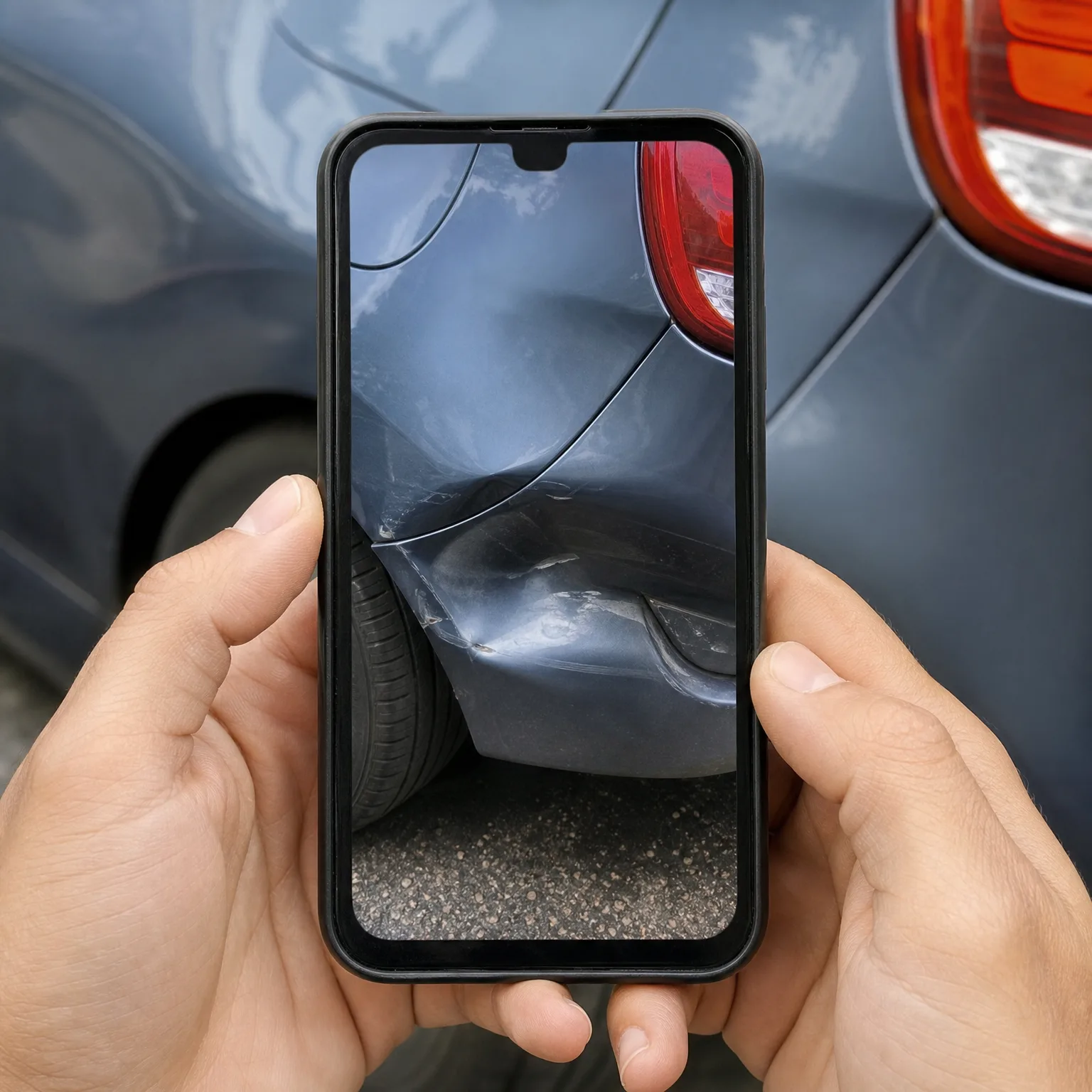
You pay for the full repair or a replacement car entirely out of pocket. There's no insurer covering any part of it, since collision coverage is the only part of your policy that pays for damage to your own car in an at-fault accident.
This is the real risk you're weighing, not a minor inconvenience. If you couldn't absorb that cost without real financial strain, that's the clearest sign you should keep the coverage, regardless of what the math on premiums versus car value suggests. The decision isn't just about probability, it's about what you can actually withstand if the less likely outcome happens to you.
Now you know what your car and savings can handle, so compare quotes to see what keeping or dropping collision costs.

Keeping collision coverage versus dropping it
If you do
You keep paying the premium, but a bad accident costs you only your deductible. Your car gets repaired or you get its current value toward another one. Your budget stays predictable even if something goes wrong tomorrow.
If you don't
Your premium drops right away. But if you cause an accident, you cover all repair or replacement costs yourself, with no insurer help. For an older car this may be fine. For a car you rely on and can't easily replace, it's a real gap.
A car worth less than it used to be
Say you've had the same car for eight years and it's paid off. You've been carrying collision coverage the whole time without ever checking what the car is actually worth now. When you finally look it up, you find it's worth around a year's worth of premiums plus your deductible combined, not much more than that.
You check your savings and realize you could replace the car with cash if you had to, without it being a real hardship. You drop collision coverage and keep comprehensive, since that still protects against theft and weather damage for a fraction of the cost. Your premium drops noticeably, and the decision feels obviously right once you've done the comparison instead of guessing.
The real question isn't whether an accident could happen, it's whether you could absorb the cost yourself.