
Liability vs Collision vs Comprehensive
Liability pays for damage you cause to others, collision pays for your car in a crash, and comprehensive covers the rest.
Each coverage answers a different question about who pays
Liability exists because every state wants a guarantee that if you hurt someone or damage their property, there's money to cover it. It pays for the other person's car, medical bills, or property, not yours. This is why it's required almost everywhere, and why driving without it is treated so seriously. As a new driver, this is the one piece you can't skip, no matter what you drive or how old the car is.
Collision and comprehensive are different. They protect your own car, and they're optional in the sense that no law requires them. But if you financed or leased the car, the lender almost certainly requires both, because the car is collateral for their loan, not just your property. Collision pays for damage to your car from an accident, whether or not it was your fault. Comprehensive pays for damage that isn't a collision at all, things like theft, weather, animals, or vandalism.
The reason insurers split these apart is risk. A fender bender is a different kind of event than a hailstorm, and they want to price each one separately based on actual patterns. This also means you can mix and match. Some drivers carry only liability on an older car because the car isn't worth enough to justify paying for the other coverages. Others carry all three because the car is new or financed and a single bad week could otherwise cost them the whole value of it.
As someone newer to driving, the calculation is a little different. You don't yet have a record that proves how careful you are, so insurers price you with more caution across every coverage. That's a separate issue from which coverages you need. The coverages are about the car and the law. The pricing is about you, and that part improves with time no matter which coverages you choose now.
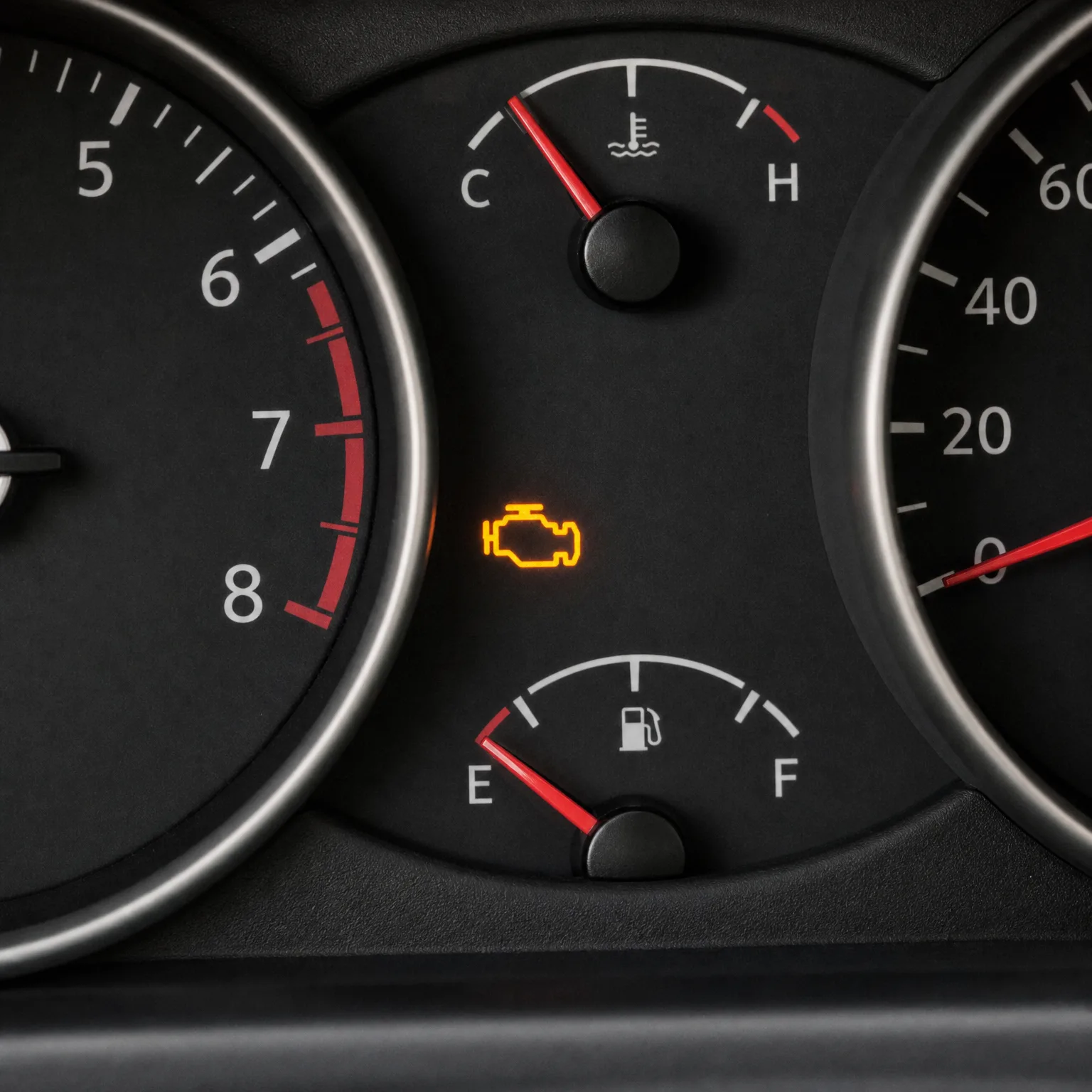
What to decide for each coverage before you compare quotes
- Liability amount This is required almost everywhere, but how much is required varies by state. Check your state's minimum, then decide if you want more protection than the minimum, since it also protects your savings.
- Collision if financed If you're financing or leasing the car, the lender will require collision coverage as a condition of the loan. If you own the car outright, decide based on what the car is worth to replace.
- Comprehensive if financed Lenders almost always require comprehensive alongside collision. If you own the car free and clear, weigh the cost of coverage against how much you'd actually get back if the car were stolen or totaled.
- Deductible on both Collision and comprehensive each carry their own deductible, and you can set them differently. A higher deductible lowers your premium now, but means more cash out of pocket if something happens.
- Car value vs cost If the car is old or low in value, collision and comprehensive premiums can approach what the car is actually worth. Check the car's value before renewing either coverage automatically.
Do I need collision and comprehensive if I'm a new driver with an old car?
Not necessarily. These two coverages protect the value of your own car, and if that value is low, paying for the coverage can cost more over a few years than the car would be worth if it were totaled. This is true regardless of how new you are as a driver.
What does change for you as a new driver is the price of every coverage, including liability. Since insurers don't have a record to judge you by yet, they price with more caution across the board. That's a separate decision from whether collision and comprehensive make sense for this particular car.
A reasonable way to check is to find out what your car is actually worth right now, then compare that to what a year of collision and comprehensive premiums would cost. If the premiums are close to the car's value, dropping those two coverages and keeping strong liability is a common and reasonable choice.
Once you know which coverages fit your car and your loan, compare quotes to see what each actually costs for you.

Carrying collision and comprehensive on an older car
If you do
If something happens, like a theft or a crash that's your fault, you get paid out for your car's value minus your deductible. You're protected against losing the car entirely. You'll pay a premium every month for that protection, even in years when nothing happens at all.
If you don't
You save that premium every month, but if the car is stolen, totaled, or wrecked in an accident you caused, you pay for a replacement yourself. Liability still covers damage to others. This is a common choice once a car's value drops low enough that the coverage costs more than it's worth.
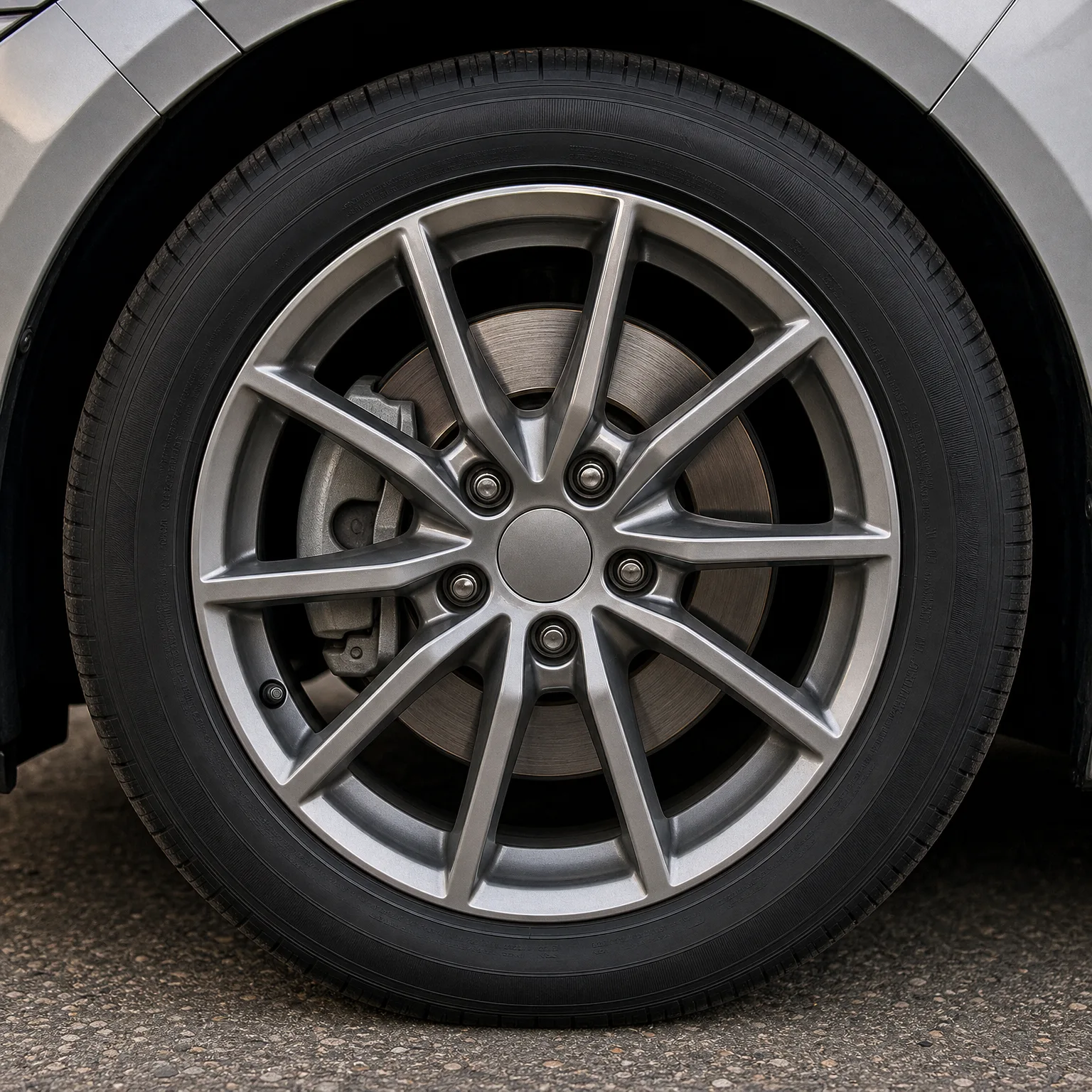
A driver insuring their first car, bought used and paid for in cash
Someone getting their license at thirty-two buys a ten-year-old sedan outright, no loan involved. They start comparing coverage and see that liability is required in their state, so that part isn't optional. The question is whether to also pay for collision and comprehensive on a car that isn't worth very much anymore.
They look up what the car would sell for used and compare it to what a year of collision and comprehensive would cost them combined. The premium for those two coverages turns out to be close to a third of the car's total value for the year. They decide to carry strong liability limits instead, since that protects their savings if they cause an accident, and skip collision and comprehensive on a car they could replace without much financial strain if it were lost. A few years later, once they've built a longer driving record and prices across all their coverage have dropped, they revisit the decision with a newer car and add collision and comprehensive back, since the math looks different with a more valuable vehicle.