
Questions to Ask When Fighting a Speeding Ticket
Ask what the ticket will do to your insurance, what evidence the officer has, and whether a plea deal beats a trial.

A new driver weighs fighting a ticket against taking the hit
Someone who got their license a year earlier was pulled over doing a bit over the limit on an open highway. No accident, no other violation, just a radar reading and a citation. Their first instinct was to pay it and move on, since fighting it meant taking time off work for a court date. But because they had so little driving history, they asked the clerk what the ticket would do to their record and learned that even one violation would weigh heavily on a file that otherwise had nothing on it.
They asked the prosecutor, before the court date, whether a deferral or reduction to a non-moving violation was possible given their clean history. It was. The prosecutor agreed to reduce the charge in exchange for a defensive driving course, since the driver had no prior record and the office had a backlog of trials to get through. The driver finished the course, the charge came off their record, and no insurer ever saw it. The lesson they took away was that asking the question before trial, not after, was what made the difference.
Will fighting the ticket actually keep my insurance from going up?
It depends on the outcome, not the effort. If the charge gets dismissed, reduced to a non-moving violation, or kept off your record through a diversion program, insurers never see a speeding conviction and your rate stays on the track it was already on. If you fight it and lose at trial, you'll usually have the same conviction on your record as if you'd just paid the ticket, sometimes with court costs added on top.
This is why the goal isn't winning in a dramatic courtroom sense. It's keeping the conviction off your driving record by any legitimate path available, whether that's a technical defense, a negotiated reduction, or a course that erases the charge. Ask about all of these before deciding whether a trial is even the right move.

The ticket itself matters less than whether a conviction ever reaches your driving record.
Once you know how this ticket will affect your record, compare quotes to see where you actually stand.
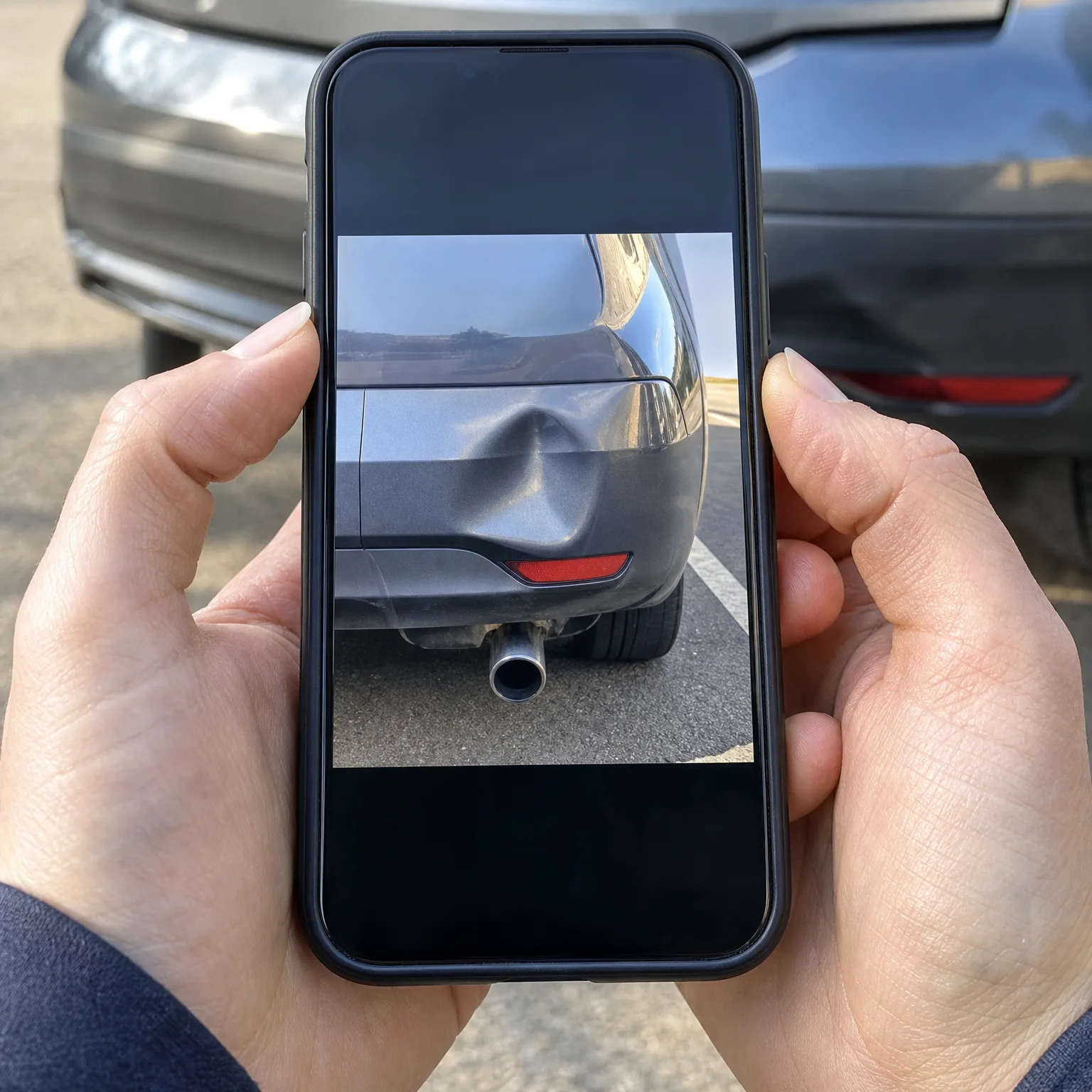
What to ask before you decide how to fight it
- What's the actual charge Ask whether you're cited for the specific speed or a reduced version already. Knowing the exact charge tells you what you're negotiating down from and whether a lesser charge is even possible.
- Is a reduction offered Ask the prosecutor or clerk if a non-moving violation, deferral, or driving course is available for your situation. Many offices offer this routinely to first-time offenders but won't bring it up unless you ask.
- What's the evidence Ask what equipment was used and whether the officer has calibration or certification records. Weak or missing evidence can be the basis for a dismissal without ever needing a trial.
- Effect on my insurance Ask your insurer directly how this violation, if it sticks, would affect your rate given your short driving history. This tells you how much is actually at stake before you invest time fighting it.
- What if I lose Ask whether fighting the ticket risks higher fines or court costs compared to just paying it. Knowing the downside helps you decide if the fight is worth the time and possible cost.
Why the questions matter more than the ticket itself
A speeding ticket by itself is just a citation. What actually affects your insurance and your record is the conviction that follows if nothing is done to prevent it. This is why the right questions aren't about proving your innocence in some absolute sense. They're about finding every legitimate route that keeps a conviction from being entered at all.
Prosecutors and courts have discretion, and that discretion is often more available to someone with a short or clean driving history than people expect. Offices that handle high volumes of traffic citations frequently prefer resolving cases through reductions or driving courses rather than spending time on trials for minor violations. But this discretion isn't automatic. It usually only gets offered to the people who ask.
Your driving history plays a real role here too. Someone with years of accumulated violations may find prosecutors less willing to negotiate, since the record suggests a pattern rather than an isolated incident. For a newer driver, the opposite is often true. A single ticket against an otherwise blank record can work in your favor during negotiation, which is exactly why asking about diversion or reduction options is worth doing before assuming a trial is the only path.
What varies is how each state and even each local court handles these negotiations, what diversion programs exist, and what the deadlines are for requesting them. Some jurisdictions have formal statewide programs, others leave it up to individual courts or prosecutors. Check with the specific court handling your citation, since assuming your experience will match what you've heard from someone in another state can lead you to miss options you actually had available.