
Should I Keep Full Coverage on a 10 Year Old Car
Keep full coverage only if your car's worth more than what a year of premiums plus your deductible would cost you.
The math changes as the car's value drops, not your driving
Full coverage pays out based on what your car is worth right now, not what you paid for it or what it would cost to replace. As a car ages, that value keeps shrinking, but the cost of carrying comprehensive and collision coverage doesn't shrink nearly as fast. At some point you're paying a steady premium to protect a number that's gotten small.
The way to think about it is simple. Add up what you pay each year for comprehensive and collision, then imagine your car is totaled tomorrow. Subtract your deductible from what the car is actually worth on the used market, not what you feel it's worth. If that payout is small next to what you've been paying annually to insure it, the coverage is doing less for you than it used to.
This isn't the same for everyone with a ten year old car. A well maintained car in a model that holds value can still be worth enough to justify keeping full coverage. A car you couldn't replace without real financial strain, even an older one, might be worth protecting even if the math looks marginal. And if you still owe money on the car, your lender may require full coverage no matter its age, so check your loan terms before you change anything.
Where people get this wrong is treating the decision as permanent. Car values drop every year, so a car that was clearly worth full coverage a while back might not be today. Check the math yearly instead of deciding once and forgetting it. That's the only way to catch the point where dropping the coverage actually makes sense for your specific car.
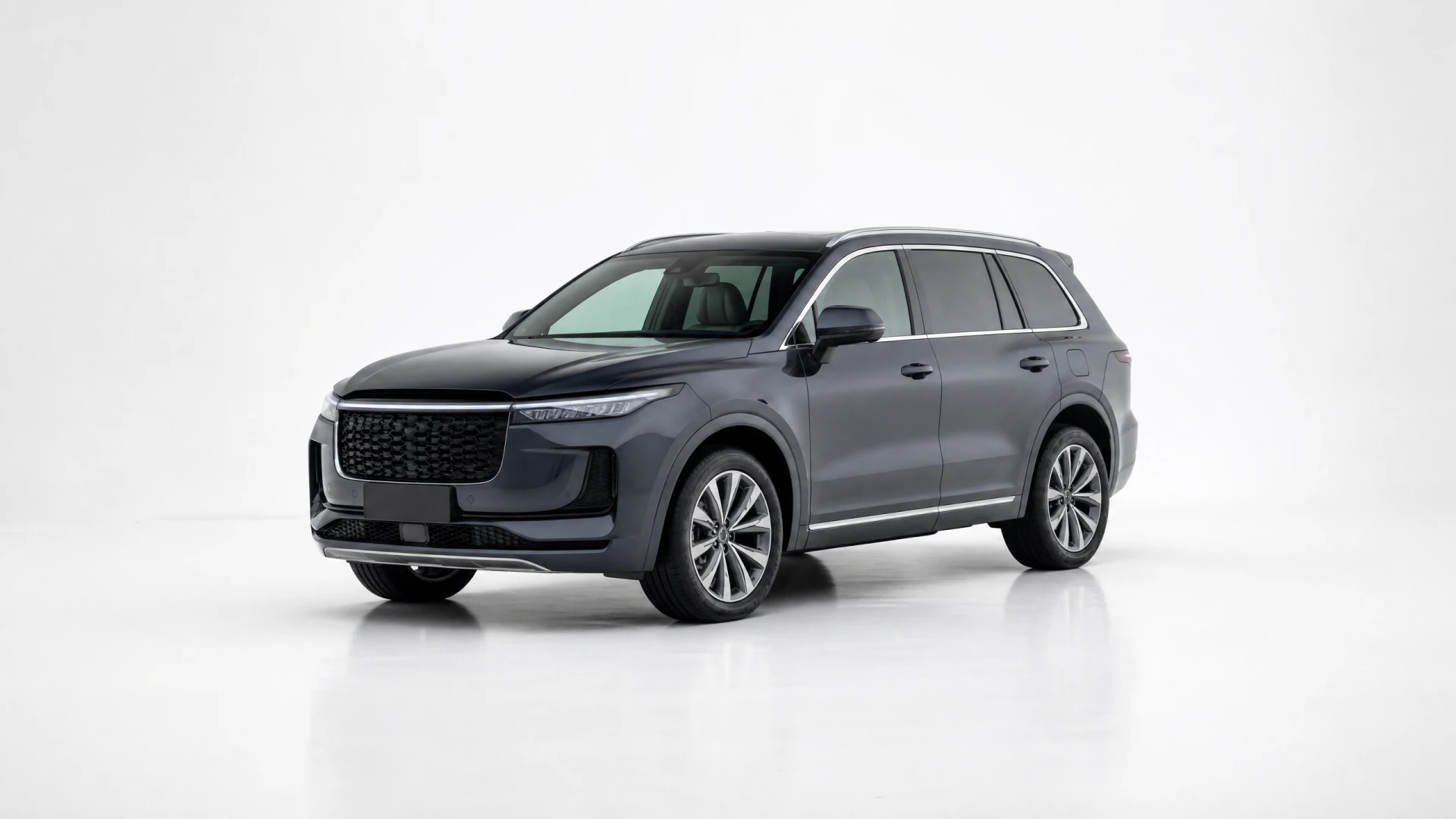
The short version
Keep full coverage only if your car's current value, minus your deductible, is still meaningfully more than what you pay annually for comprehensive and collision. Check your car's real used value, not its original price. If the payout wouldn't cover much after a total loss, drop the coverage and keep liability instead.
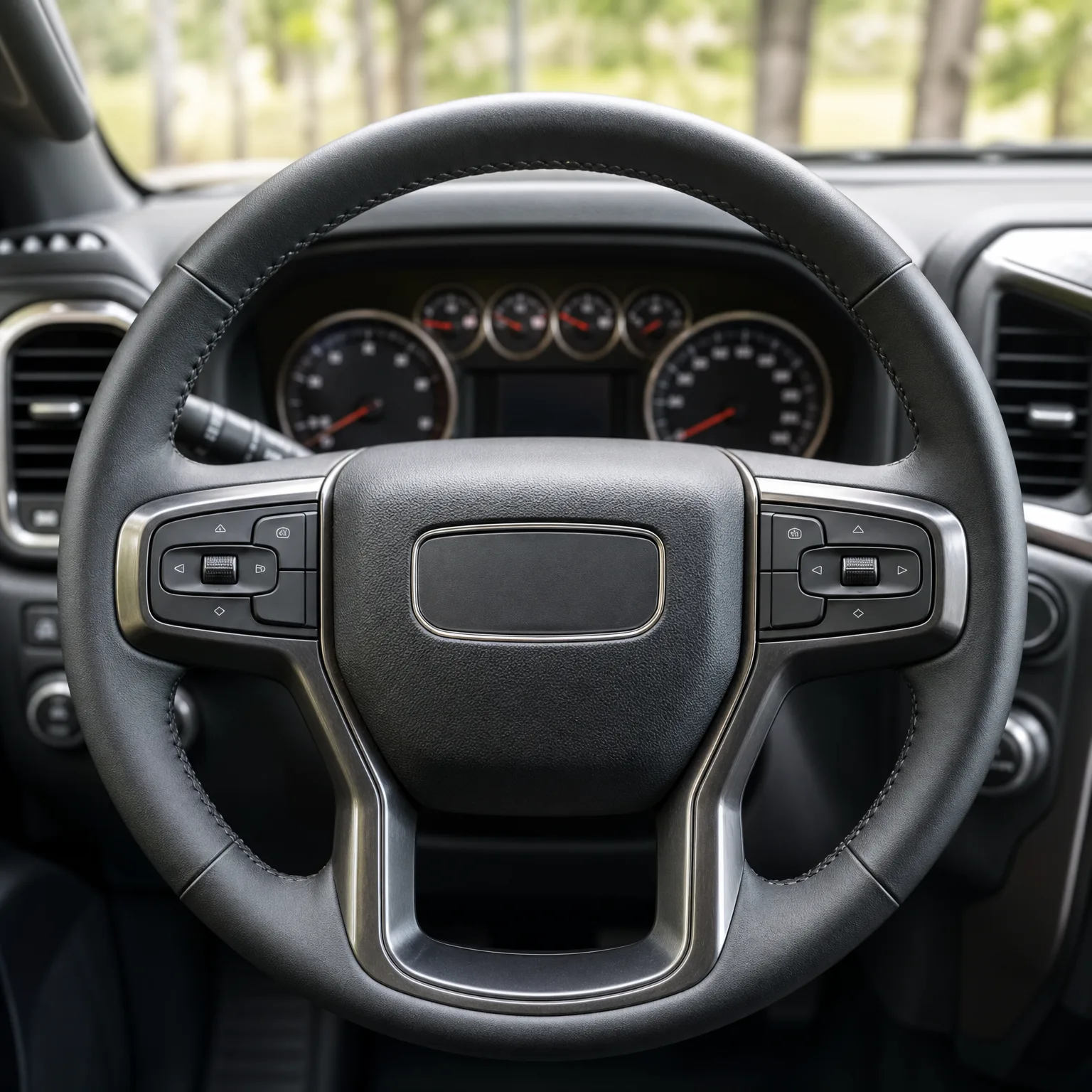
A paid off sedan worth less than a year of premiums
Say you have a ten year old sedan, paid off, in decent shape. You check its used value and it comes in modest. You're paying a noticeable amount each year for comprehensive and collision on top of your liability coverage. You subtract your deductible from the car's value and the number left over isn't much bigger than what you've paid in premiums recently.
In that case, dropping comprehensive and collision and keeping liability coverage usually makes sense. You're not protecting much value anymore, so you're mostly paying for peace of mind rather than real financial protection. If the car gets totaled, you'd lose the car itself, but you wouldn't have been getting much of a payout anyway. The money you save on premiums can go toward a replacement car fund instead, which ends up protecting you better than the coverage did.
Once you know whether to keep full coverage, compare quotes to see what dropping or keeping it actually costs you.
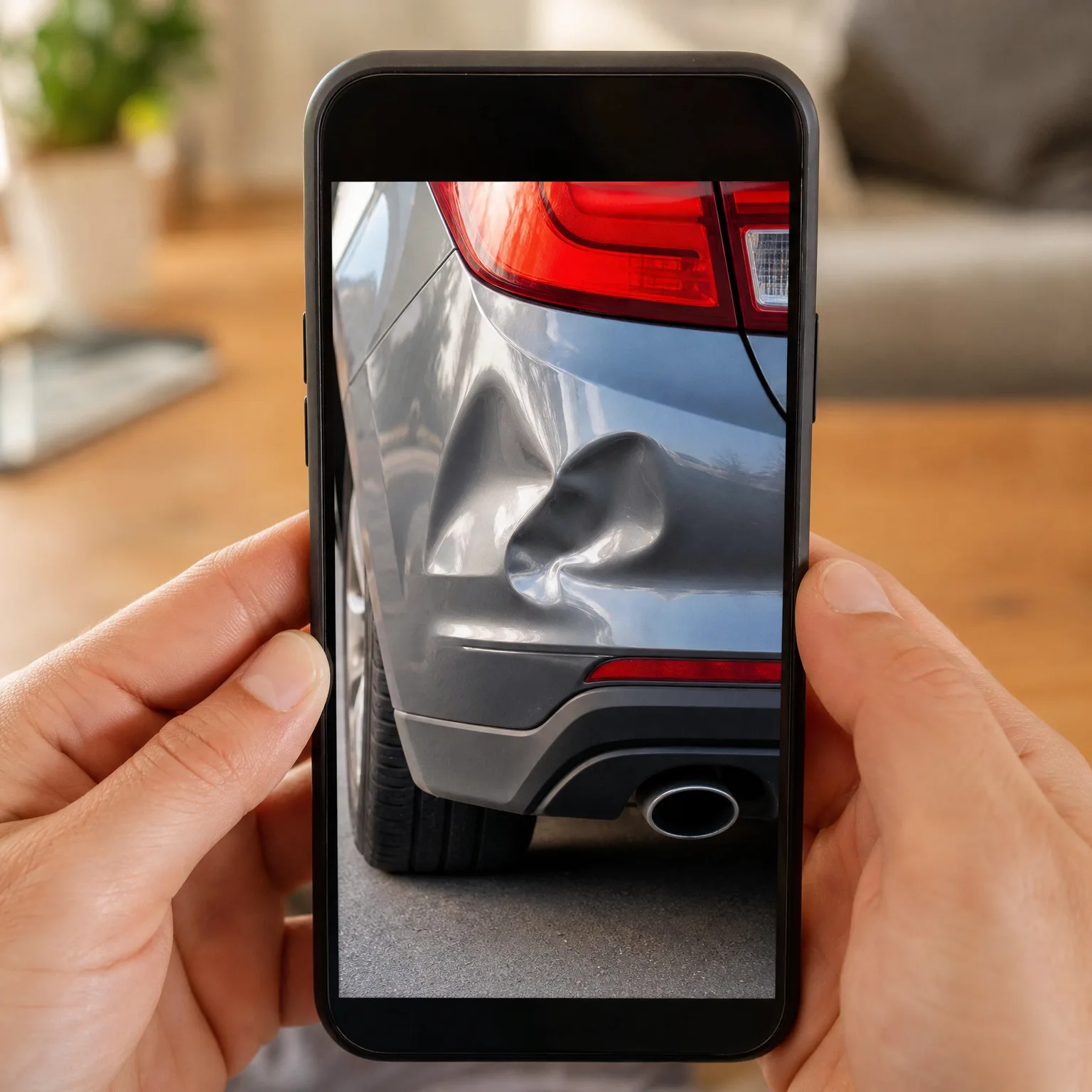
Check these before you drop or keep the coverage
- Real car value Look up what your car actually sells for used right now, not what you paid or what you assume. This number is the whole basis for the decision.
- Your deductible Subtract your deductible from the car's value to see what you'd actually receive in a payout. A high deductible can make keeping the coverage pointless.
- Loan or lease terms If you still owe money on the car, your lender likely requires full coverage regardless of age. Check your agreement before changing anything.
- Replacement cost if it's totaled Think about what it would cost you to replace the car if it were gone tomorrow. If that number is high for your budget, that argues for keeping coverage even on an older car.
- How the car is used A car you drive daily in heavy traffic carries more risk exposure than one used occasionally. Frequency of use affects how much the coverage is actually doing for you.

How do I find out what my car is actually worth now?
Look up your car's private party or trade in value using its year, make, model, mileage and condition through a used car valuation tool. This gives you a realistic number instead of guessing. Check more than one source since estimates can vary, and be honest about the car's condition and mileage, since inflating it will give you a number you can't rely on for this decision.
What happens if I total the car without comprehensive and collision?
Without that coverage, you'd have to cover the cost of a replacement car yourself, since liability only pays for damage you cause to others. This is the real tradeoff of dropping the coverage. If you don't have savings set aside for a replacement, this gap could leave you without a car and without the means to quickly get another one, which matters more if you depend on driving daily.
Does dropping full coverage affect my rates if I buy a newer car later?
No, dropping comprehensive and collision on this car doesn't affect your rates on a future car. Each vehicle is underwritten on its own value and risk profile. What does carry forward is your driving record and claims history, so as long as you keep driving safely, switching back to full coverage on a newer car later works the same as if you'd never dropped it.