What Are Common 3-Point Turn Mistakes
Most 3-point turn mistakes come from rushing the stops and not checking surroundings fully before each move.
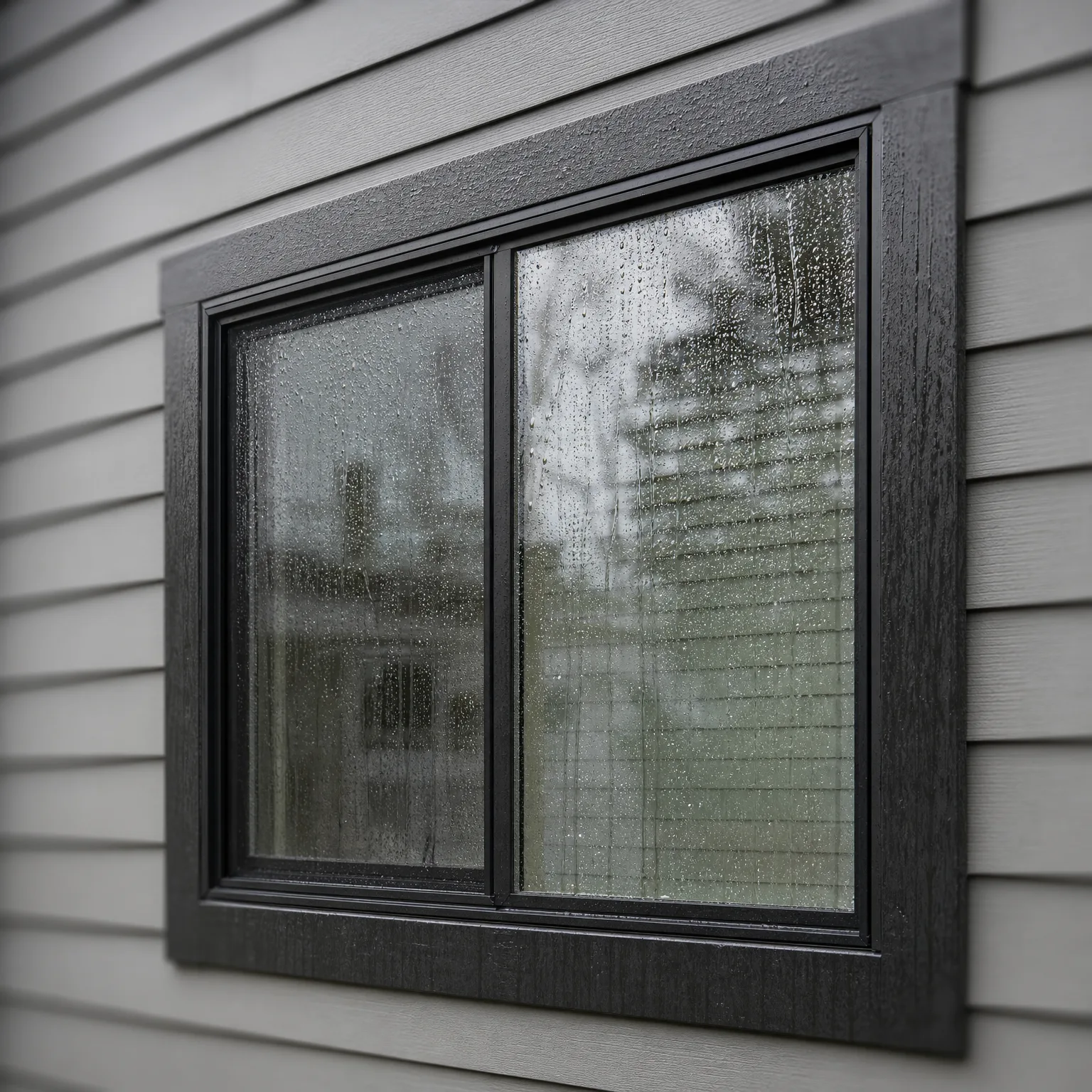
A driver practicing on a narrow residential street
A driver in their late thirties, a few months into getting a license for the first time, picked a quiet street to practice the 3-point turn. On the first attempt, they turned the wheel too late pulling away from the curb, which meant the car didn't angle sharply enough and they needed a fourth move to finish facing the other direction. They also checked mirrors but forgot to look over their shoulder for the blind spot before reversing, which is exactly the kind of habit that comes from years of not driving and not yet having it feel automatic.
On the second attempt, they slowed down the whole maneuver instead of trying to do it quickly, turned the wheel fully and early, and added the shoulder check before each direction change. It took longer, but the car ended up centered in the lane facing the right way, in three moves. The lesson they took from it wasn't about the turn itself but about how much slowing down fixed problems that speed had been causing. They kept practicing on different streets until the sequence stopped feeling like a list of steps and started feeling like one motion.
Does messing up a 3-point turn affect my insurance or driving record?
No, not by itself. Practicing a maneuver and making mistakes while you're still building experience has no direct effect on insurance pricing or your driving record. What affects both is a citation, a reported accident, or a license action, and a clumsy 3-point turn on a quiet street doesn't produce any of those on its own.
Where it matters is if the mistake happens during an actual licensing test and causes a failure, which just delays when you're licensed, not something that follows you afterward. It also matters if a mistake turns into something real, like contact with a parked car or another vehicle, because that becomes an incident with consequences. The maneuver itself carries no weight. What you do with it, and whether it stays a practice mistake or becomes an actual incident, is what counts.
Once you know how a short driving history affects your rate, compare quotes to see what you'd actually pay.

Practicing 3-point turns before you're confident with them
If you do
You build the muscle memory in a low-stakes setting, on a street you chose, with no test pressure. Mistakes there cost you nothing but time. You get to slow down and fix habits like skipping the shoulder check before they show up during a real test.
If you don't
You go into your first real attempt without having felt the timing in your hands. Small misjudgments, like turning too late or not fully, become more likely under pressure. You're more likely to need extra moves, stall out, or feel rattled by a maneuver that practice would have made routine.
What's the right way to position the car before starting a 3-point turn?
Pull as close to the right edge as safely possible, since that gives you more room to complete the turn in three moves rather than needing extra ones. Check that the street is wide enough and that nothing is parked directly across from you.
What to check is your state or local driving manual, since the exact positioning and sequence taught can vary slightly between places. If you're preparing for a test, the testing agency's own guide will describe exactly what they expect, which is worth matching precisely.
Is a 3-point turn still tested on the driving exam?
It depends on where you're testing, since not every licensing agency requires it anymore, with some replacing it with other maneuvers like parallel parking or a three-point reverse in a different form.
Check your specific test's requirements ahead of time rather than assuming, since practicing a maneuver that isn't tested wastes time you could spend on one that is. If it is required, ask whether there's a specific sequence or landmarks they expect you to use, since some agencies are stricter about exact technique than others.
How do I know if a street is safe enough to practice a 3-point turn on?
Pick a street that's residential, has little to no traffic, and is wide enough that you won't need to come within a tight margin of parked cars or curbs on either side. Visibility matters too, so avoid blind corners or spots near driveways where someone could pull out unexpectedly.
What changes the answer is traffic patterns at different times of day. A street that's empty midday might have school traffic in the afternoon, so scout it at the time you actually plan to practice.
The mistakes don't follow you. Only what they turn into, a citation or an accident, actually matters.