What Are the Cons of Pleading No Contest
A no contest plea usually carries the same insurance and license consequences as pleading guilty, even though you never admitted fault.

What a no contest plea still costs you
- Insurance treats it as guilty Your insurer sees the conviction, not the plea type. Expect the same rate increase you'd get from a guilty plea, so don't choose no contest expecting a pass on price.
- Points still land on your record Most states add points to your license regardless of how you pled. Check your state's rules before assuming no contest keeps your record cleaner.
- It can be used against you later A pattern of no contest pleas still shows up as repeat offenses to insurers and courts. Think about the next few years, not just this one case.
- Civil lawsuits may still follow In some states a no contest plea can't be used against you in a related civil case, but in others it can. Ask your attorney how your state treats this before you decide.
- You give up your defense Pleading no contest usually ends your opportunity to contest the facts in court. If you think you could win, this option closes that door.

The short version
A no contest plea almost always carries the same insurance and license consequences as a guilty plea, because your record shows the conviction either way. The main upside is limiting what can be used against you in a separate civil suit. Before you plead, check your state's rules and talk to an attorney.
A driver weighing a no contest plea after a minor accident
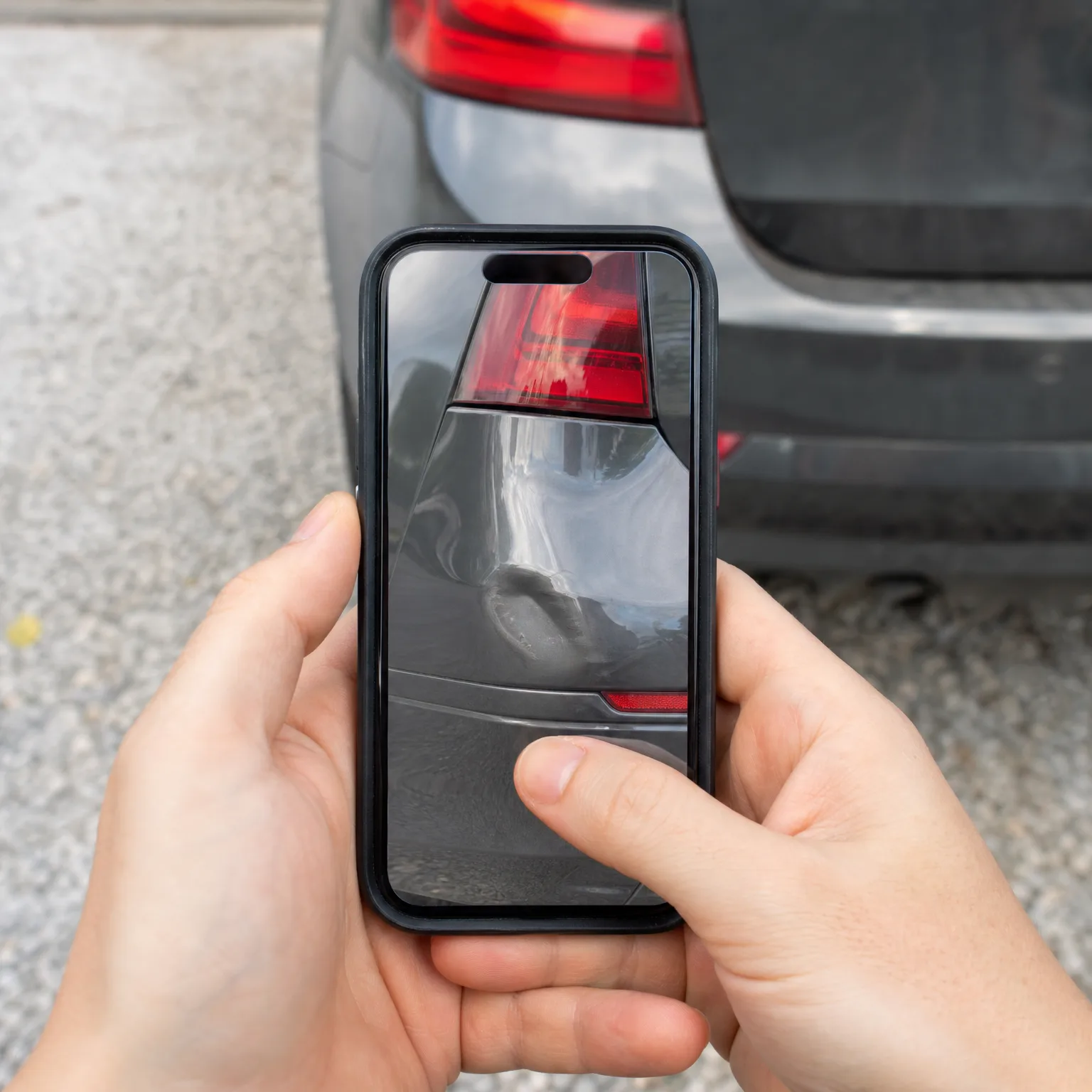
You're new to driving and get cited after a minor fender bender that wasn't entirely your fault. The other driver is talking about suing you for damages, and your lawyer suggests pleading no contest to the traffic citation instead of fighting it. You like the idea because it sounds like you're not admitting guilt, and you want to avoid a long court fight while you're still building your driving record.
But when you check with your insurer, you find out the conviction still goes on your record the same as a guilty plea would. Your rates go up by the same amount either way, and the points still land on your license. The only real benefit turns out to be that the plea can't be used against you in the civil case the other driver is considering, which matters here because of the lawsuit risk. If there had been no lawsuit threat, pleading no contest wouldn't have given you anything a guilty plea didn't.
Knowing a no contest plea won't protect your rate, compare quotes to see what the conviction means for your price.

Should you plead no contest or fight the citation
If you do
You avoid a contested hearing and the case moves faster, but the conviction still lands on your driving record and your insurer treats it the same as a guilty plea. Rates rise, points apply if your state uses them, and you lose the chance to argue the facts in court.
If you don't
You keep the option to contest the citation and possibly avoid a conviction altogether. This takes more time and may cost more in legal fees, but if you win, your record and insurance rates stay untouched. If you lose, you end up in the same place a no contest plea would have put you.
Why the plea type matters less than people expect
Insurance companies and motor vehicle departments care about the outcome of your case, not the path you took to get there. When you plead no contest, the court still enters a conviction, and that conviction is what gets reported. The plea type is a legal distinction that mostly matters inside the courtroom, not outside it.
The real reason people choose no contest is to protect themselves in a separate civil case. In many states, a no contest plea can't be introduced as an admission of fault if someone sues you over the same incident. A guilty plea can be used that way. So the plea makes sense when there's a real chance of a lawsuit tied to the same event, not as a general strategy for keeping your insurance rates down.
Where this gets confusing is that some states don't draw much of a distinction at all, and a few judges won't even accept a no contest plea without specific circumstances. Insurers also vary in how closely they look at plea type versus conviction type, though in practice almost all of them key off the conviction itself. This is exactly the kind of detail that depends on where you live, so it's worth asking an attorney familiar with your state rather than assuming your situation matches someone else's.
For a driver without much history behind the wheel, the stakes are a little different. You don't have years of clean driving to offset the conviction, so a single mark can move your rate more noticeably than it would for someone with an established record. That's a reason to think carefully about contesting the citation if you believe you have a real defense, rather than defaulting to no contest because it sounds softer.

The plea doesn't protect your rate, the outcome does, so weigh whether you can actually beat the charge.