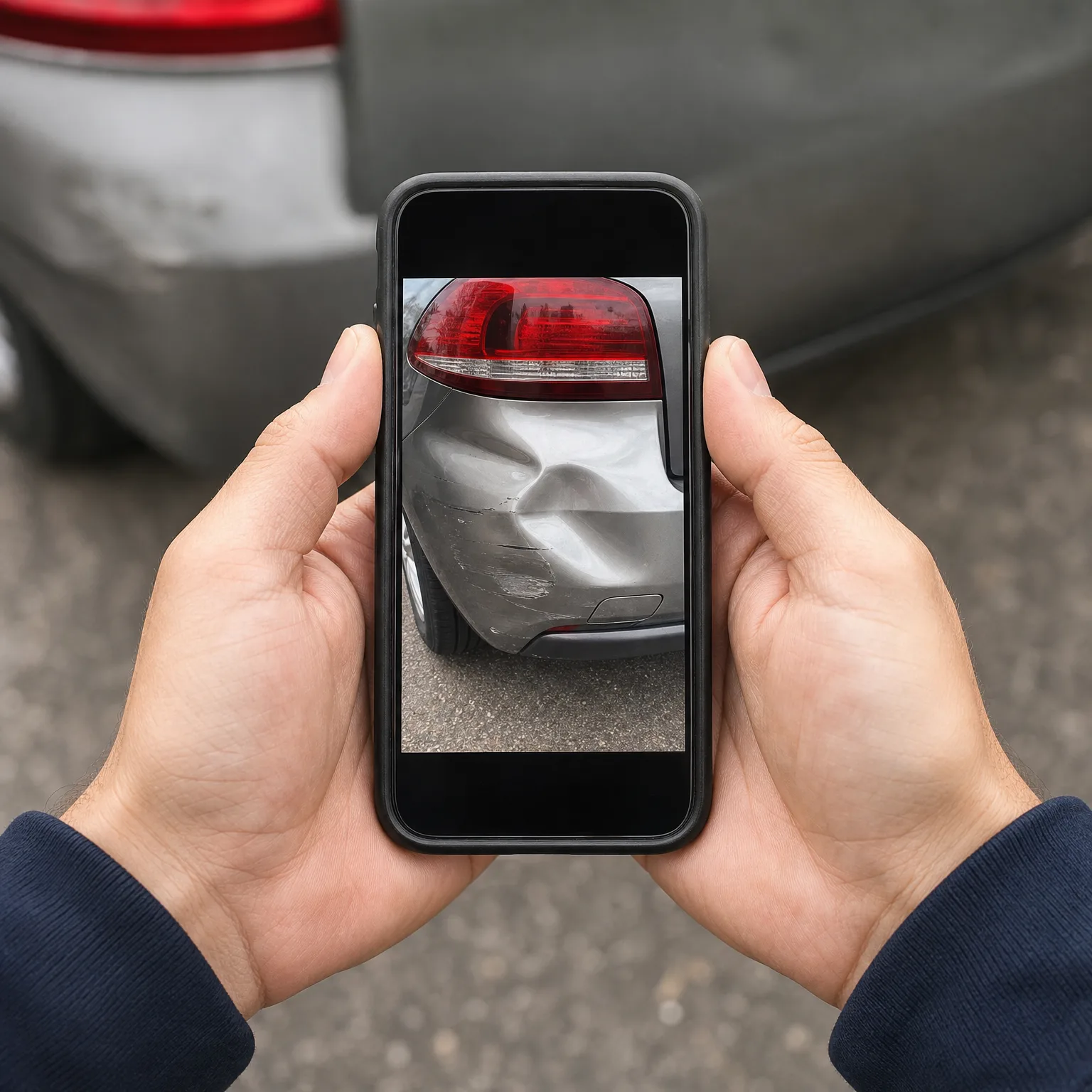
What Are the Major Causes of Higher Car Insurance Rates
Your rate is high mainly because insurers have no record of how you drive, and everything else adds smaller amounts on top of that.
Insurers price the unknown first, then everything else you do
When you have never been licensed, the insurer has no evidence about you specifically. They cannot see years of claims or clean renewals, so they fall back on broad categories like age, location, and the car you want to insure. That absence of a record is treated as risk, not because you are assumed to be reckless, but because there is nothing yet to prove otherwise. This is the single biggest piece of your rate right now, and it is also the piece that shrinks fastest once you start driving.
After that baseline, the next layer is about exposure. How often you drive, how far, and in what kind of traffic all change the odds of a claim. Someone commuting daily on a highway looks different to an insurer than someone driving occasionally around a quiet neighborhood. Where you live matters too, since local accident rates, theft rates, and even weather patterns feed into the price, and this varies enough by state and insurer that it is worth asking directly how your area is rated.
The car itself is another major factor, often bigger than new drivers expect. Repair costs, safety ratings, and how often a model is stolen or involved in claims all get factored in, so two people with identical experience can pay very different amounts depending on what they drive. A modest, common car with good safety ratings will almost always cost less to insure than something powerful or expensive to fix.
Finally, your own choices start mattering immediately. At-fault accidents, tickets, and lapses in coverage all raise your rate, sometimes sharply, because they replace the unknown with specific evidence. The good news is that the reverse is also true. Every month you drive without an incident is new evidence working in your favor, and that is what eventually brings your rate down to match your actual driving, not just your age.
How long until my rate drops because I have no accidents?
There is no fixed date, because insurers reassess at renewal, and what they are looking for is a pattern, not a single milestone. Many people start seeing their rate improve after their first renewal with a clean record, and improvements continue at each renewal after that as long as you keep driving without claims or violations.
The exact pace depends on your insurer and your state, so ask directly how often they reassess risk and what specifically triggers a lower rate. Staying with the same insurer can help, since they are the ones accumulating evidence about you, while switching resets some of that unless you can show proof of your history. Keeping continuous coverage without gaps matters as much as avoiding accidents, since a lapse can look like new risk even if you never had a claim.

Now that you know what's driving your rate, compare quotes to see which insurer prices your situation the lowest.

Whether you build a driving record before shopping around
If you do
You drive for several months or longer under one policy, avoiding claims and violations, then shop again. You now have evidence of safe driving instead of just an age and a blank history, and insurers competing for your business can offer a noticeably better rate than your first one.
If you don't
You stay with your first policy and never revisit pricing. Your rate may improve slightly at renewal once your insurer sees a clean record, but you miss the larger drop that comes from comparing insurers once you actually have something to show them.
These are the factors actually moving your price
- No driving history This is the biggest factor right now, since insurers have no evidence about you yet. It fades naturally the longer you drive without incidents, so give it time.
- Where you'll be driving Local accident and theft rates affect your price and vary by state and insurer. Ask directly how your specific area or zip code is rated.
- The car you choose Repair costs and safety ratings change your rate a lot, often more than people expect. A common, well-rated car almost always costs less to insure.
- How much you'll drive Daily highway commutes look different to insurers than occasional local trips. Be accurate about your actual driving when you get quotes, since it affects the price directly.
- Any lapse in coverage A gap with no insurance can read as risk even without a claim. Keep continuous coverage once you start, even if it means staying on someone else's policy first.
Should I get my own policy or join a family member's policy first?
Joining an existing policy as a listed driver is usually cheaper at first, since you share in an established record instead of starting from zero. This works well if you live with or are closely tied to that person, but check with the insurer, since rules about who qualifies vary. Starting your own policy makes more sense once you have your own car or want your own record building independently. Ask what happens to your history if you later split off, since some insurers preserve it and others don't.
Does the type of car I buy matter more than my driving record right now?
Early on, yes, the car can matter just as much as your lack of history, because insurers have solid data on repair costs and claims for that model but none on you. A safe, inexpensive, commonly driven car can meaningfully lower your starting price. Over time this balance shifts, and your driving record becomes the larger factor as it accumulates. If you're choosing a car partly for insurance purposes, ask an insurer directly for a quote on specific models before you buy, since the difference can be significant.
Do I need insurance while I'm still learning or practicing to drive?
Yes, in almost every state you need some form of coverage once you're behind the wheel, even while practicing, though the exact requirement depends on your state and your situation. If you're practicing in someone else's car, their policy may extend to you, but confirm this with their insurer rather than assuming it. If you're using your own car, you'll need your own policy before you drive it at all. Check your state's specific requirement, since the minimum coverage required varies.