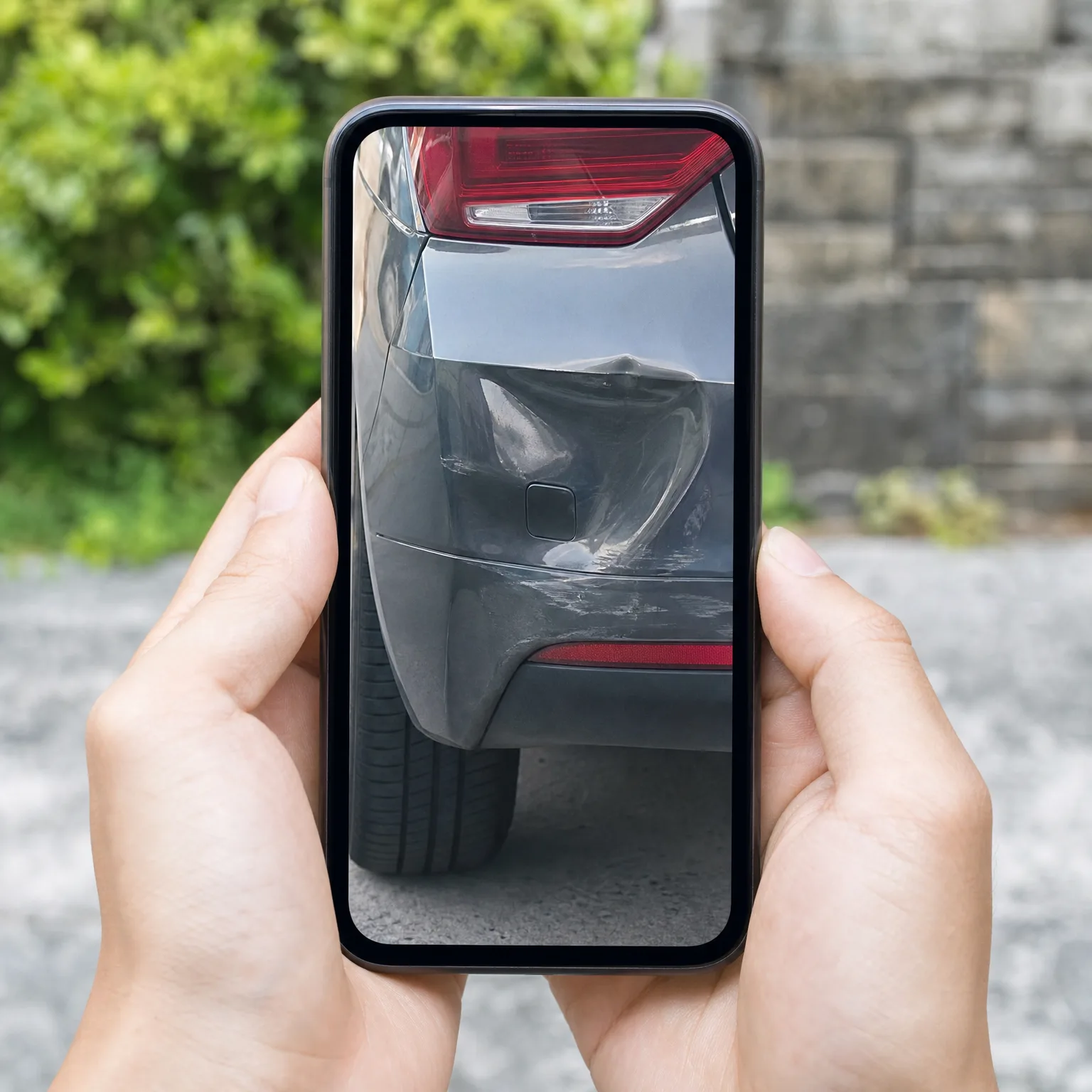
What Are the Risks of Permissive Use Car Insurance
Lending your car means your policy pays first if something goes wrong, and that can leave gaps you didn't expect.
Your policy follows the car, but only up to a point
When you let someone drive your car with your permission, your insurance is usually the one that responds first if they cause an accident. This is called permissive use, and insurers allow it because the policy is tied to the vehicle, not just to you. It sounds simple, but the risks show up in the details nobody mentions until there's a claim.
The first risk is that your coverage limits are now covering someone else's driving, and if that person causes serious damage, you could be the one facing a lawsuit for anything above those limits. The second is that frequent or regular use by the same person can get flagged as something your insurer expected you to disclose, and undisclosed regular drivers can lead to a denied claim or a canceled policy.
There's also the question of who was actually allowed to drive. Permissive use only protects you if you gave permission, clearly and in a way you can support if asked. If someone takes your car without asking, or keeps driving it after you've said no, that's not permissive use anymore, and the coverage picture changes completely.
Finally, your own driving record carries the weight afterward. A claim from an accident someone else caused while borrowing your car still attaches to your history, and that can affect your rates for years. The exception is when the other driver has their own policy that can be shown to apply, but that depends on their coverage and your insurer's rules, so check with your insurer before assuming it would help.
What actually puts you at risk when you lend your car
- Your limits, their accident If the damage costs more than your policy covers, you can be personally responsible for the rest. Check your liability limits before handing over your keys.
- Undisclosed regular drivers If someone borrows your car often, your insurer may expect them listed on your policy. Ask your insurer what counts as regular use so you're not caught off guard.
- Permission has to be clear Coverage depends on you actually allowing the drive, not just the person having access to your keys. Keep it simple and say yes or no out loud, not just assume.
- Your record takes the hit A claim from someone else's accident in your car still shows up on your driving history. Think about who you lend to as carefully as how you drive yourself.
- Their policy may help Sometimes the driver's own insurance can apply after yours, but this depends on their coverage and your insurer's order of payment. Ask your insurer how this works before you need it.

Once you know what lending your car actually exposes you to, compare quotes that match the coverage you need.

Do you let other people drive your car regularly
If you do
Your insurer treats this as expected use, and your coverage responds the same way it would for you. But if this person drives often, your insurer may want them listed, and skipping that step risks a denied claim right when you need coverage most.
If you don't
Your policy still covers an occasional borrower under permissive use, as long as you gave clear permission for that one drive. The risk shrinks, but it doesn't disappear. If something happens, it's still your limits and your record on the line.
Should I add someone to my policy instead of relying on permissive use?
Add them if they're driving your car regularly, not just once in a while. Permissive use is built for occasional borrowing, not for someone who has a set of your keys and uses the car on a routine basis. Insurers can and do treat frequent unlisted drivers as a disclosure problem, which puts your claim at risk exactly when you need it most.
If it's a one-time loan to a friend or a family member visiting for a few days, permissive use is doing what it's meant to do and you likely don't need to change anything. The line between occasional and regular isn't always obvious, so when in doubt, call your insurer and describe the actual pattern of use. They can tell you whether it crosses into something that needs to be added formally, and that one call is far cheaper than guessing wrong.

Lending your car means lending your coverage, so know your limits before you hand over the keys.