
What Do Beginner Drivers Struggle With the Most
The hardest part isn't the driving itself, it's that insurers price you by your lack of a record, not your age.

The real struggles for someone learning to drive as an adult
- No record to show for it Insurers can't see that you're careful, only that you have no history. The fix is time behind the wheel under your own policy, since that's what eventually builds a usable record.
- Being quoted like a risk A blank driving history reads as unpredictable to an insurer, regardless of your age. Ask every insurer how they treat new drivers specifically, since some weigh it more gently than others.
- Choosing whose policy to use Practicing on someone else's policy can work, but it may not build your own record the way you need. Check whether your state or insurer tracks history separately for each named driver.
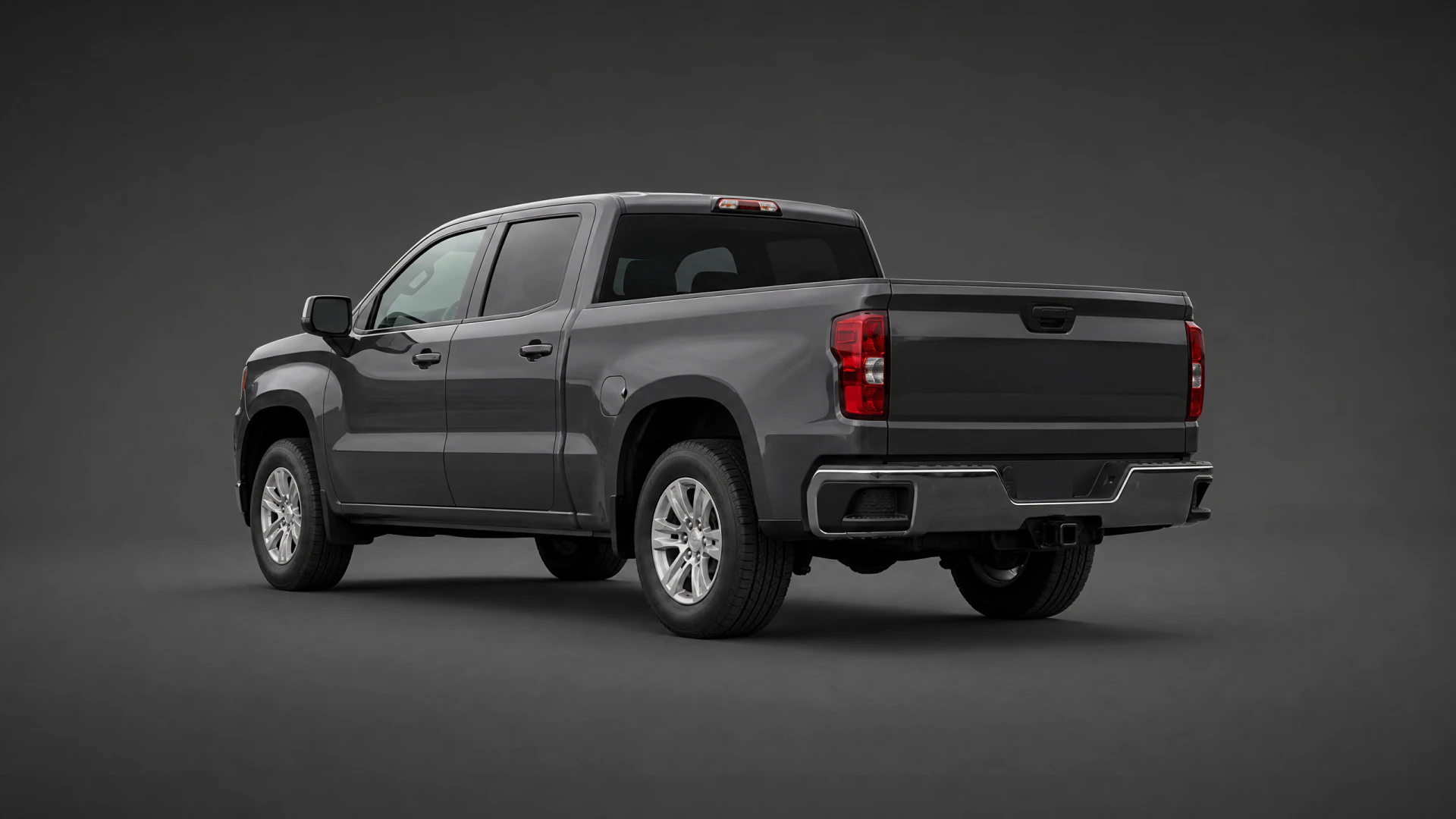
- Picking the wrong car A car that's expensive or powerful raises your cost before you've proven anything. A plainer, cheaper car to insure gives you room to build history without paying extra for it.
- One mistake feeling permanent A ticket or a small accident early on feels like it ruins everything, but it doesn't erase the record you're building. Keep driving and let consistent time outweigh one bad week.
The short version
What beginner adult drivers struggle with most is having no history for insurers to judge, not the driving itself. The fix is getting insured properly, even temporarily, and driving consistently so a record starts forming. Do that before comparing quotes, so you're pricing the real decision, not a guess.
How long until my rate stops being punished for being new?
There's no fixed point where it switches, it eases gradually as your record builds. Insurers reassess at renewal, so each clean renewal period works in your favor, and the first one or two renewals typically bring the biggest visible change.
What moves it faster is consistency, not time alone. A year of regular driving with no incidents counts for more than a year where you barely drove. If you switch insurers during this stretch, ask how they view a partial history, since some weigh a shorter clean record more favorably than others, and that can matter more than waiting it out with one company.
Now that you know what's actually driving your cost, compare quotes to see which insurer prices a new driver fairly.

Starting to drive at thirty five after a move out of the city
Someone moves out of a city for a new job and needs to drive for the first time in their adult life. They don't have a car yet, so they start by getting added to a family member's policy to practice safely and legally, since driving unlicensed or uninsured isn't an option even for short trips. They ask the insurer directly how being added affects pricing for everyone on the policy, and whether their time as a named driver will count toward their own history later.
After several months of regular driving with no incidents, they buy a modest used car and get their own policy. The quote reflects some benefit from that practice period, though it's still higher than an experienced driver would pay. They choose a plainer car on purpose, knowing it keeps the cost lower while they build a clean record. A year later, with no claims, their renewal comes in noticeably better, and they understand now that the plan worked because they were consistent, not because enough time simply passed.

Do I need my own insurance while I'm still practicing to drive?
Yes, you need to be covered by some policy any time you're behind the wheel, even while learning. That can mean being added to someone else's policy as a named driver, or getting your own if you have a car. Check your state's rules on who can legally supervise or insure a new driver, since requirements for permits and learner stages vary.
Should I get my own policy or stay on a family member's?
It depends on whether building your own record matters more right now than saving money short term. Staying on a family policy is often cheaper while you're new, but ask the insurer whether your time there counts toward your own future history. If it doesn't, moving to your own policy sooner may be worth the extra cost.
Will a late start learning to drive always mean higher rates?
No, it means higher rates at first, not permanently. The lack of history is what insurers price against, and that fades as you accumulate clean time on the road. What changes the timeline is consistency and avoiding claims, so check in with quotes periodically rather than assuming your rate is fixed.