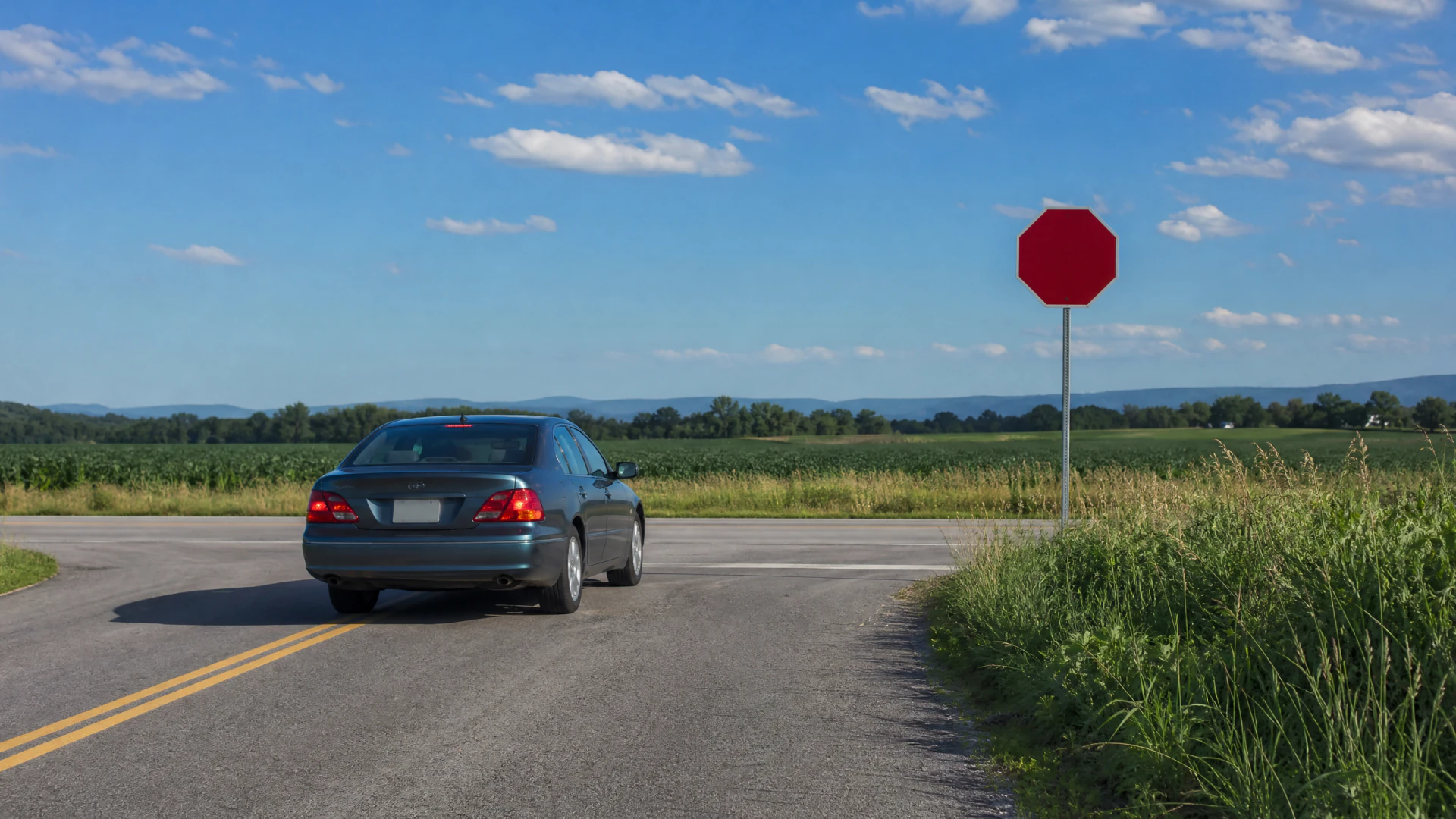
What Does Personal Injury Protection Cover
Personal injury protection pays for your own medical bills and some lost income after a crash, no matter who caused it.
It pays you first so no one has to wait on blame
Personal injury protection exists to get medical bills paid quickly after a crash, without waiting for anyone to figure out who was at fault. That matters because fault can take weeks or months to sort out, and injuries don't wait. This coverage steps in right away, paying for things like emergency care, follow-up treatment, and in many cases a portion of the income you lose while you recover.
For you specifically, this coverage matters more than it might for someone with years of driving experience. You're still building a record, and until you have one, insurers see you as harder to predict. Having protection that pays regardless of fault means a mistake you make while learning, or a mistake someone else makes, doesn't leave you stuck covering your own medical costs out of pocket while everything gets sorted out.
What it actually covers varies by state and by policy. Some states require it and set the specifics, including what counts as a covered expense and who in your household is included. Other states make it optional, layered on top of other coverage. Check your state's rules and your policy's details, because the gap between what's required and what's offered can be wide.
The main exception is severe or long-term injuries that exceed what the coverage pays. In those cases, other coverage or legal routes come into play. But for the everyday bumps and bruises of early driving, this is the coverage doing the immediate work.
Do I still need this if I have health insurance?
Yes, in most cases you want both. Health insurance and personal injury protection work differently and often cover different gaps. Health insurance may have a deductible or require you to pay upfront and get reimbursed later, which can be a real problem right after a crash when bills show up fast. Personal injury protection is built for that immediate window, often paying directly and quickly, and it may also cover lost income, which health insurance typically does not.
If you're new to driving and still building savings or a financial cushion, that speed matters. A crash early on, even a minor one, can come with costs you're not ready to absorb. Check how your state treats the overlap between health insurance and this coverage, since some states coordinate the two in specific ways.

Whether you add this coverage or skip it
If you do
After a crash, your medical bills get paid quickly, often without you fronting money first. If you miss work, part of your lost income may be covered too. You spend less time worrying about bills while you recover, and less time arguing about fault before anyone pays for anything.
If you don't
You rely on health insurance or your own savings while fault gets determined. If you don't have strong health coverage yet, or a financial cushion, a minor crash can turn into a stressful bill situation fast. You may still get paid eventually if someone else was at fault, but it can take time.
Once you know what this coverage actually pays for, compare quotes to see what it costs to add it to your policy.
A new driver rear-ended at a stoplight
Say you've had your license for a few months and you're driving your own car for the first time without a parent or spouse as the primary policyholder. You're stopped at a light and someone rear-ends you. It's not your fault, but you still have a sore neck and need to see a doctor, and you miss two days of work.
Because you have personal injury protection, your medical visit gets billed directly to that coverage instead of you paying upfront and waiting for the other driver's insurer to sort out fault. Your lost wages from the two missed days get partially covered too. Weeks later, once fault is confirmed, the other driver's insurance may reimburse your insurer or cover additional costs, but you weren't the one stuck waiting or paying out of pocket in the meantime.
Does personal injury protection cover passengers in my car?
Often yes, but check your policy and state rules since this varies. Many policies extend coverage to passengers riding with you at the time of a crash, treating them similarly to how the policy treats you. Some states set specific rules about who counts as a covered passenger, especially if they have their own auto policy. If you regularly drive friends or family, confirm this detail so you know what protection they have riding with you.
Is personal injury protection the same as liability coverage?
No, they cover different things entirely. Liability coverage pays for injuries or damage you cause to other people when you're at fault. Personal injury protection pays for your own medical costs and lost income regardless of who caused the crash. You can have one without the other depending on your state's requirements, but many drivers carry both since they protect against different situations.
Can I use personal injury protection if I'm hit as a pedestrian?
Often yes, if you're covered under a policy with this protection. Many policies extend to situations where you're struck by a vehicle while walking or biking, treating it similarly to a crash while driving. This varies by state and policy, so check whether your coverage includes non-driving incidents. If it does, it can matter a lot for a new driver who still walks or bikes regularly.