
What Does Replacement Vehicle Mean on Insurance
It means your policy pays to put you in a vehicle similar to the one you lost, not necessarily a brand new one.
Why the wording matters more than it seems
Insurance is built to put you back where you were before the loss, not better off than you were. A replacement vehicle provision describes how the insurer fulfills that promise when your car is stolen or totaled. It typically means they'll pay for a vehicle of similar make, model, age and condition, drawn from what's available in the market at the time.
This is different from a new car replacement benefit, which some insurers sell separately and which pays for an actual new vehicle regardless of your car's age or mileage. The two terms get confused constantly because they sound alike, but one describes a standard default and the other describes an added benefit you usually have to choose and pay for. If you're newer to owning a car and shopping policies for the first time, this is one of the places where reading the actual definition section matters more than trusting the name of the coverage.
What counts as comparable also varies. Some insurers use actual cash value, which factors in depreciation, while others define replacement cost differently depending on your state and your policy terms. A car with low mileage because you only recently started driving regularly can sometimes be valued differently than an older car with high mileage, so the condition and history of your specific vehicle affects the payout.
For someone building a driving record from scratch, this matters because your first car is often a practical, lower cost vehicle, and a replacement vehicle clause means you'd get compensation to find something similar, not a windfall to upgrade. Knowing this ahead of time helps you choose a car you'd be comfortable replacing in kind, rather than one that only makes sense if it stays running forever.

A first time owner's car is totaled in a parking lot collision
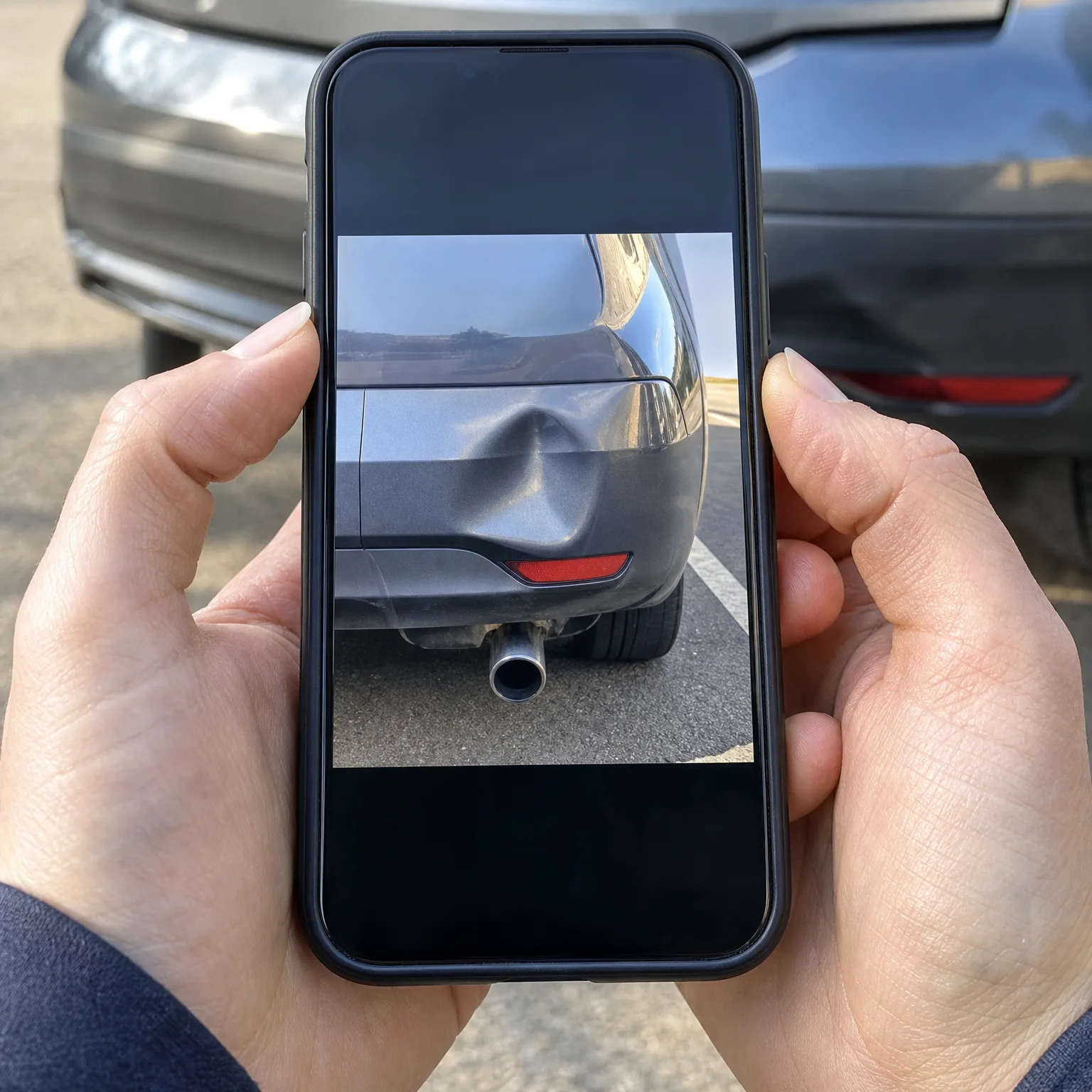
Say you're thirty-four, just bought your first car after years of not needing one, and someone backs into it hard enough that the insurer declares it a total loss. You pull out your policy and see the words replacement vehicle in the declarations page and assume it means they'll get you an equivalent car, no questions asked. You call your insurer to ask exactly what that means for your situation, and they explain it's the actual cash value of your car, adjusted for its age, mileage and condition, which determines the amount you receive, not a guarantee of a specific replacement car.
You use that payout to shop for a comparable used vehicle, and because you understood the definition beforehand, you're not caught off guard when the check doesn't cover a newer model. You ask the insurer whether a new car replacement endorsement would have applied, learn it wasn't on your policy, and decide to add it when you insure your next vehicle since you plan to keep it for years. The experience teaches you to read definitions before you need them, not after.

The clause replaces value, not the exact car, so pick coverage based on the payout you actually want.
Compare quotes now that you know what a replacement vehicle clause will and won't pay you.

Should you add new car replacement coverage
If you do
If you add it, a totaled car gets replaced with an actual new vehicle instead of a cash value payout based on depreciation. This costs more upfront but protects you from a gap between what your car was worth and what a similar new one costs, especially useful if you just bought the car.
If you don't
If you skip it, you rely on the standard replacement vehicle definition, which pays based on your car's actual condition and market value at the time of loss. This is cheaper and fine for an older or lower value car, but can leave you short if you need to replace a newer purchase.
What to check before you assume you're covered
- Read the actual definition Don't rely on the name of the coverage. Find the definitions section of your policy and read exactly how replacement vehicle is defined for your insurer and state.
- Know your valuation method Ask whether your insurer uses actual cash value or another method. This determines whether depreciation reduces your payout after a total loss.
- Ask about new car replacement This is a separate, often optional benefit. Ask if it's available and what it costs, especially if your car is new or you plan to keep it a long time.
- Match coverage to your car If you drive an older or budget vehicle, standard replacement coverage is usually enough. If you just bought something newer, consider the added benefit.
- Check state specific rules Some states regulate how total loss value is calculated. Ask your insurer or state insurance department what rules apply where you live.