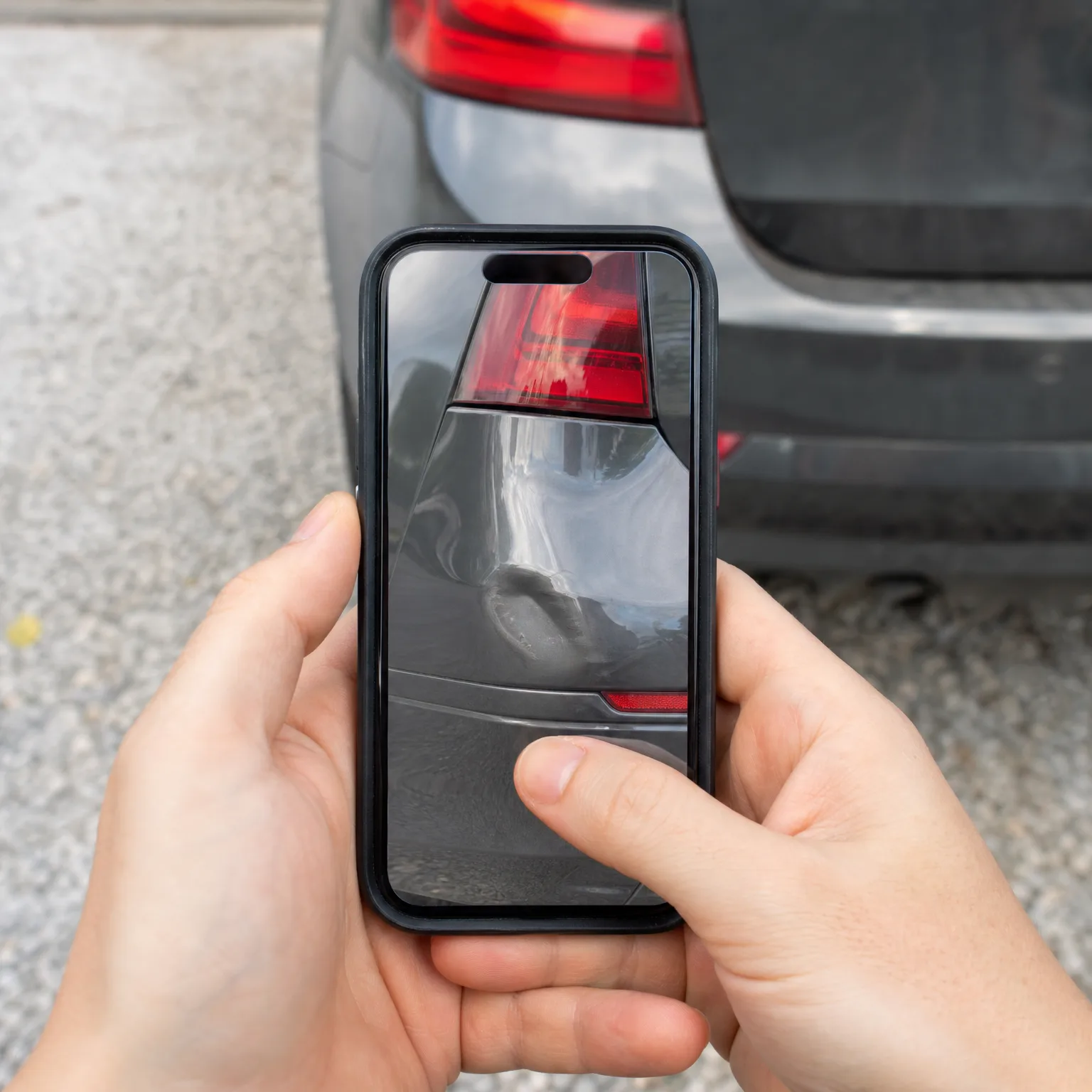
What Happens if I Accidentally Run a Red Light
Nothing permanent happens on its own, what matters is whether a camera or officer recorded it and what you do next.
Why the outcome depends on how it was caught, not on your intent
Insurance and traffic law don't ask whether you meant to run the light. They ask what was recorded. A camera ticket is usually a civil fine tied to the vehicle, with no points and often no report to your insurer at all. An officer pulling you over is different, because that becomes a moving violation on your driving record, and driving records are exactly what insurers check when they set your price.
This is also why the same mistake can lead to very different outcomes for two different people. Someone with years of clean driving history absorbs one violation without much change, because insurers weigh a long record more heavily than a single incident. Someone newer to driving doesn't have that history to balance it out, so the same violation can move the price more, simply because there's less other evidence to judge them by.
State rules also change the shape of this. Some states forward camera citations to insurers and some don't. Some put points on a license for this violation and some treat it as a fine only. Check your state's vehicle code or your license agency's site for how this specific violation is classified where you live, because that single fact decides a lot of what happens next.
In almost every case, what happens afterward matters more than the moment itself. How you respond, whether you pay or contest the ticket, and whether you tell your insurer before they find out on their own, all shape the outcome more than the split second of running the light did.
A driver gets a camera ticket not long after getting licensed
A newly licensed driver got a notice in the mail, a photo of their car going through a light that had just turned red. They weren't pulled over, hadn't seen an officer, and assumed it meant nothing until they looked into it. They checked their state's site and found this particular violation was a civil fine with no points attached, and separately confirmed their insurer in that state didn't receive automatic reports for camera citations.
They paid the fine right away instead of contesting it, since contesting would have meant a court date and a possible points violation if they lost, a worse outcome than just paying up. When their policy came up for renewal, the price was unchanged, because nothing had reached their driving record. They kept the confirmation that it was a non-reportable citation in case anything came up later, and kept driving cleanly in the meantime, which mattered far more for their rate than the single ticket ever did.

Once you know how this violation is reported where you live, compare quotes to see your actual price now.
Will this follow me every time I get a new policy for years?
No, not indefinitely. Most driving violations stay visible to insurers for a limited stretch of time, often a few years, after which they drop off and stop affecting your price. The exact length depends on your state and sometimes on the insurer's own rules, so it's worth asking directly how long this particular type of violation stays reportable.
What matters most in the meantime is what you do with the rest of your driving. A single violation sitting next to a growing stretch of clean driving matters less and less each year, because insurers look at the whole pattern, not just the one entry. If this happens early in your driving history, the best response isn't to dwell on it, it's to keep building the clean record that will eventually outweigh it.

The ticket matters less than whether it reaches your insurer, so find that out before assuming the worst.
Does a red light camera ticket go on my insurance record?
It depends entirely on your state. Some states classify camera citations as civil fines with no points, which insurers typically never see, while others report them the same way as an officer-issued ticket. Check your state's vehicle code or ask your insurer directly how they handle camera citations in your state, since this one detail decides whether your price moves at all.
Should I contest a red light ticket to keep my rate low?
Only if you have a real reason to believe it's wrong, since contesting means a court date and the chance of a worse outcome if you lose. If the violation carries no points and isn't reported to insurers anyway, contesting gains you little even if you win. Check what the violation actually carries before deciding whether fighting it is worth the time and risk.
How much will one ticket raise my insurance as a new driver?
There's no fixed amount, it depends on your insurer, your state, and how much driving history you already have. With little history to balance it against, a new driver often sees more movement than someone with years of clean driving. Ask your insurer directly what this specific violation does to your price, since the answer varies by company even within the same state.