
What Happens if I Cancel Insurance on My Financed Car
Your lender finds out fast, adds its own costly policy to your loan, and you're still responsible for damage if the car isn't insured.
The lender has a financial stake in the car, so they protect it
When you finance a car, the lender technically owns part of it until you pay off the loan. That's why your loan agreement almost always requires continuous insurance coverage. It's not a suggestion, it's a condition of the loan itself, written into the contract you signed.
Lenders monitor this because an uninsured, financed car is a serious risk to their investment. Most require your insurer to notify them if a policy lapses or gets canceled, and that notification usually happens within days. Once they know, they act to protect their collateral, not your wallet.
What they do next is force-place a policy on your behalf, often called lender-placed or collateral protection insurance. This coverage protects the lender's interest in the car, not you personally. It typically costs far more than a normal policy and only covers the vehicle itself, not liability for injuries or damage you cause to others.
The exception is if you're switching insurers with no actual gap, moving coverage from one company to another on the same day. That's not cancellation in the lender's eyes, it's a transfer, and it shouldn't trigger any of this. The problem is purely about having zero coverage while a loan balance still exists.
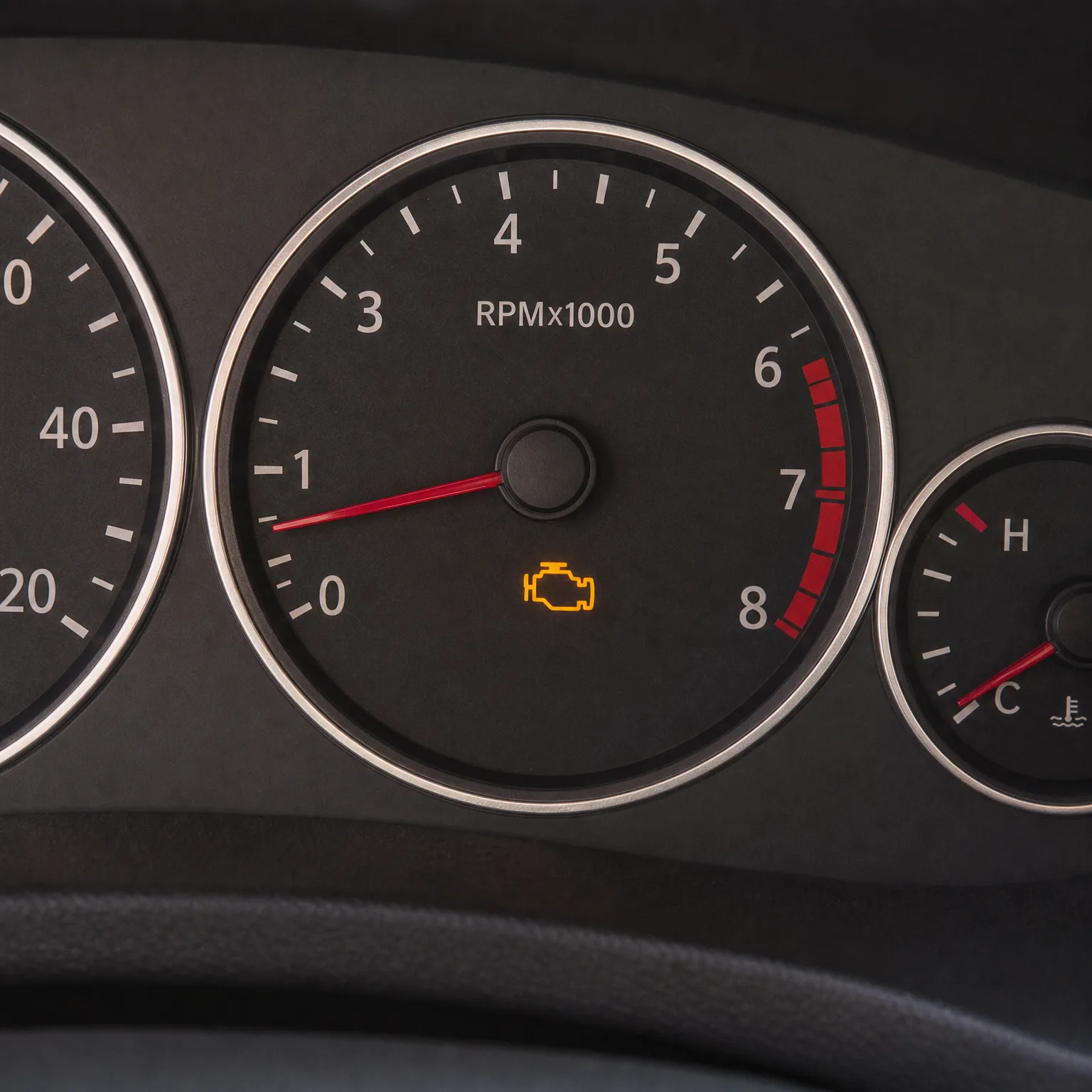
What actually happens when you cancel
- Lender gets notified Your insurer reports the cancellation to the lender listed on your policy. This often happens within days, so don't expect the gap to go unnoticed.
- Force-placed coverage begins The lender buys its own policy to protect the car and adds the cost to your loan. It's usually far pricier than what you were paying and covers the car only, not you.
- Loan terms can be violated Continuous insurance is typically a condition of your financing agreement. Breaking it can technically put your loan in default, even if your payments are current.
- You lose liability protection Without your own policy, you have no coverage for injuries or damage you cause and no say in how a claim is handled. Line up new coverage before you cancel, never after.
- Your credit can take a hit If force-placed insurance charges pile up unpaid, or the lender considers you in default, it can affect your credit standing. Check your loan terms to see exactly what counts as default.

Canceling without new coverage lined up first
If you do
Your policy ends, the lender finds out, and within days they add their own expensive coverage to your loan balance. You're paying more for less protection, you have no liability coverage, and technically you may be in default on your loan terms.
If you don't
You either switch to a new policy the same day coverage ends, or you keep your current policy active until the new one starts. No gap means no lender notice, no force-placed insurance, and no default risk on your loan.
Once you know how to time a switch without a gap, compare quotes now and move your coverage over the same day.
Switching insurers without creating a gap
Someone financing a car finds a cheaper policy with a different company and cancels their current insurance the day they get the new quote, assuming the new policy will just start whenever they get around to it. A week passes before they call the new insurer to activate coverage. During that week, their old insurer reports the cancellation to the lender, who immediately force-places a policy and adds the charge to the loan.
When the new policy finally starts, the driver now has three things stacked up, their new premium, a force-placed insurance charge already added to the loan, and a call to the lender to prove continuous coverage and get the charge removed. The fix exists, lenders will usually remove force-placed charges once you show proof of your own insurance covering the gap period, but it takes paperwork and time. The driver could have avoided all of it by setting the new policy's start date to match the exact day the old one ended, confirming it was active before canceling anything.
Timing the cancellation matters more than which policy you pick. New coverage first, cancel second.
Can I cancel insurance on a financed car if I'm not driving it?
No, not safely. Lenders require continuous coverage regardless of whether you're driving the car, because the requirement protects their collateral, not your driving activity. If the car is sitting unused, ask your insurer about a reduced coverage option that keeps the policy active without full driving coverage. Check your loan agreement for the exact wording on this, since some lenders are stricter than others about what counts as acceptable coverage during non-use.
How do I get force-placed insurance removed from my loan?
Provide proof of your own continuous coverage for the period in question, and the lender should remove the charge. Call your lender directly, ask what documentation they need, and get a confirmation in writing once it's resolved. The exception is if there actually was a real gap in coverage, in which case the lender may only remove charges for the period you can prove was covered, not the whole gap.
Does a lapse in coverage affect my car insurance rates later?
Yes, often it does. Insurers view a lapse as a sign of risk, and it can mean higher premiums when you shop for a new policy later, even with a different company. How much it affects you depends on the insurer and the length of the lapse, so ask any new company directly how they treat past lapses before assuming the worst.