
What Happens if I Do Not Pay My Premium
If you miss a payment your insurer gives you a short grace period, and if you still don't pay, your coverage ends and the lapse follows you.
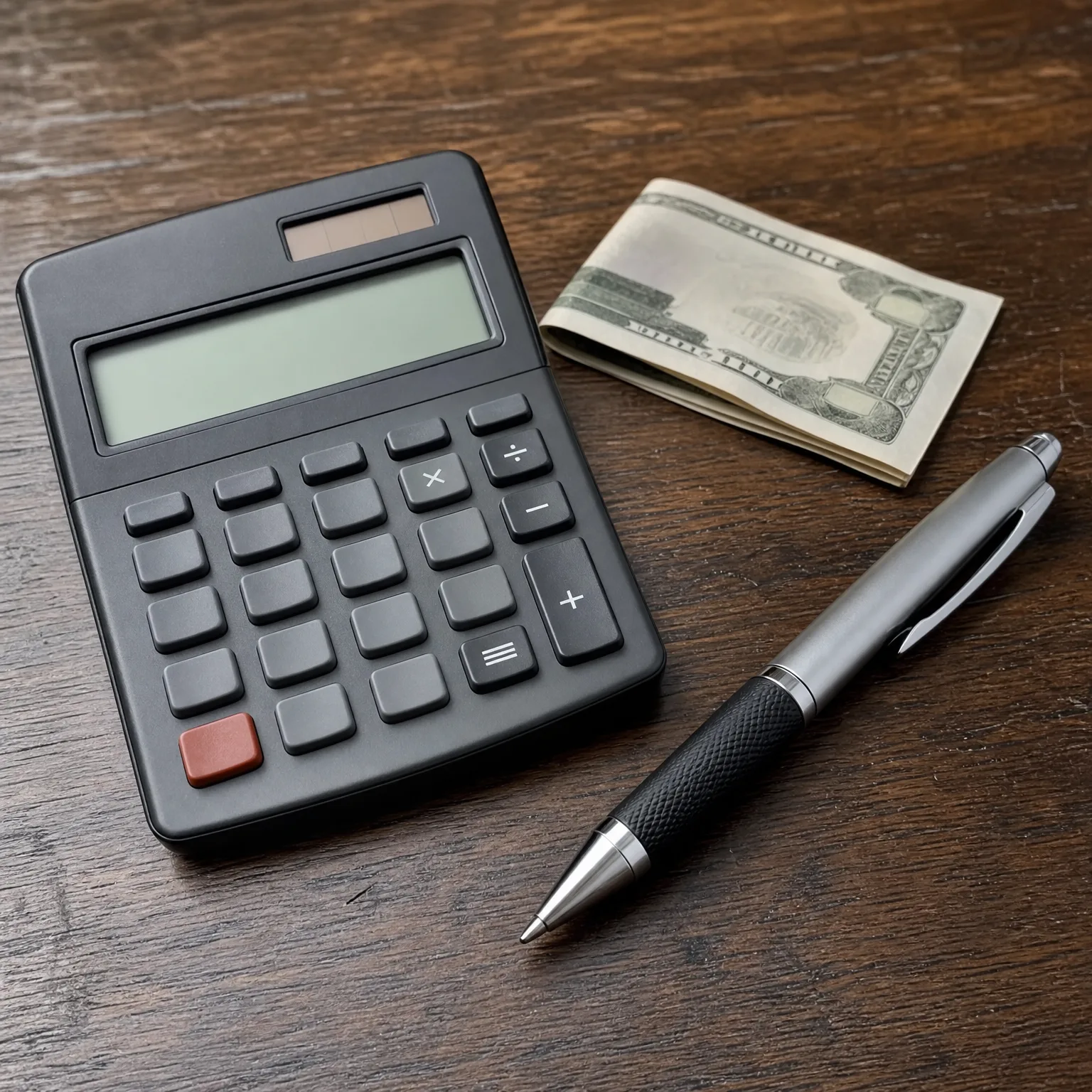
What happens, in order, once you miss a payment
- Grace period starts Most insurers give you a set number of days after a missed due date before they cancel you. Check your policy documents or account for the exact length, since it varies by insurer and state.
- Warning notices arrive You'll usually get a notice by mail or email warning that cancellation is coming. Read it immediately and pay or call your insurer before the date it lists.
- Coverage actually ends Once the grace period passes, your policy is cancelled and you are driving uninsured. Stop driving the car until you have active coverage again, even for short trips.
- A lapse appears on record Insurers report lapses to shared databases that other insurers check. Expect to be asked about any gap when you shop for a new policy, even months later.
- New rates go up A lapse makes you look riskier to insurers, similar to having no driving history at all. Rebuilding a clean payment and coverage record over time is what brings the rate back down.
Will a lapse in coverage follow me even if I switch insurance companies?
Yes. When you apply for a new policy, insurers ask whether you've had continuous coverage, and many check a shared record that shows lapses from any insurer, not just your previous one. Switching companies doesn't erase it.
What matters to them is the gap itself, not who was covering you before. A lapse signals risk because it suggests a period where you were driving without protection or without the discipline to maintain it. The length of the gap matters too. A few days reads very differently than several months.
The way to limit the damage is to get new coverage in place as fast as possible and keep it active without interruption going forward. Over time, as you build a longer stretch of continuous coverage, the lapse matters less and eventually stops being a factor insurers weigh at all.

Now that you know what a lapse costs, compare quotes and get coverage locked in before any grace period runs out.
A missed payment that almost became a bigger problem
Say you switched banks and forgot to update the card your insurer had on file. Your payment failed, and a week later you got an email saying your policy would cancel in a set number of days unless you paid. You almost missed it because it landed in a folder you don't check often.
You caught it two days before the deadline, logged in, updated your payment method, and paid the balance immediately. Because you paid within the grace period, your coverage never actually lapsed and nothing was reported. The insurer confirmed by email that the policy stayed active the whole time. The only real cost was the stress of almost missing it, which is why checking your billing email and keeping payment details current matters more than it seems like it should.
Why insurers cut you off instead of just adding a late fee
Insurance only works if the insurer is collecting enough money, from everyone paying in, to cover the claims that come in. When you stop paying, you're asking to keep the protection without holding up your side of that arrangement. A grace period is the compromise, a short window that assumes a payment hiccup rather than someone trying to get coverage for free.
Once that window closes, the insurer has no obligation to pay out if you crash, because the contract that promised that protection no longer exists. This is different from being late on something like a phone bill, where the service just gets suspended and resumes when you pay. With car insurance, the policy is actually cancelled, and reinstating it isn't guaranteed. Some insurers will reinstate you if you pay quickly after cancellation, others require you to reapply from scratch, and this varies by insurer and sometimes by state rule.
The lapse gets recorded because insurers share that information to assess risk accurately. If lapses were invisible, someone could let coverage drop whenever money was tight and reinstate it only when they needed it, which defeats the purpose of continuous risk-pooling. Reporting lapses protects the system insurers rely on, even though it feels like it's working against you in the moment.
Where this plays out differently is based on how fast you act and how your specific insurer handles grace periods and reinstatement. Some are lenient about a single short lapse, especially if your payment history before that was solid. Others treat any lapse the same regardless of history. That's something worth asking your insurer directly, before you ever need the answer.
Can I get my car insurance reinstated after it's cancelled for non-payment?
Sometimes, but it depends on your insurer and how long it's been since cancellation. Many will reinstate you if you pay the full amount owed quickly, often within a short window after the cancellation date. Past that window, you may need to apply as a new customer, which usually means a new rate based on the lapse. Call your insurer directly and ask what their specific reinstatement policy is, since this detail varies a lot between companies.
Does a lapse in car insurance affect my credit score?
No, a coverage lapse itself doesn't appear on your credit report or affect your score. It's tracked by insurance-specific databases, not credit bureaus. However, if the unpaid premium gets sent to a collections agency, that debt can eventually show up on your credit report like any other unpaid bill. To avoid that, resolve any balance you owe to the insurer directly rather than letting it sit unpaid.
What should I do if I can't afford my car insurance payment this month?
Call your insurer before the due date and ask about payment plans or a temporary adjustment, rather than letting the payment simply fail. Many insurers can shift your due date, split a payment, or adjust your coverage to lower the cost temporarily. Acting before you miss a payment keeps you out of grace-period territory entirely and avoids any risk of a lapse being reported.