What Happens if I Have an Accident in Someone Elses Car
The car owner's insurance pays first, and your own policy, if you have one, backs it up after that.

What actually determines who pays and how much
- Owner's policy pays first Insurance follows the car, not the driver, in almost every state. The owner's policy is the one that responds first, so ask them what coverage they carry before you drive.
- Permission matters a lot If the owner said you could drive the car, you're covered under their policy as a permissive user. If you took it without asking, that coverage can be denied entirely.
- Your own policy can fill gaps If you have a policy and the damage goes beyond the owner's limits, your coverage can step in. If you don't have a policy yet, check whether that gap is a problem for you specifically.
- Your record follows you A claim from this accident can still affect your future rates, even though it was filed on someone else's policy. Ask the owner's insurer how the claim will be reported.
- Regular use needs listing If you drive this car often, insurers expect you to be listed on the policy or carry your own. Driving it occasionally is different from driving it as a routine, so be honest about which one you're doing.
Borrowing a friend's car for a weekend
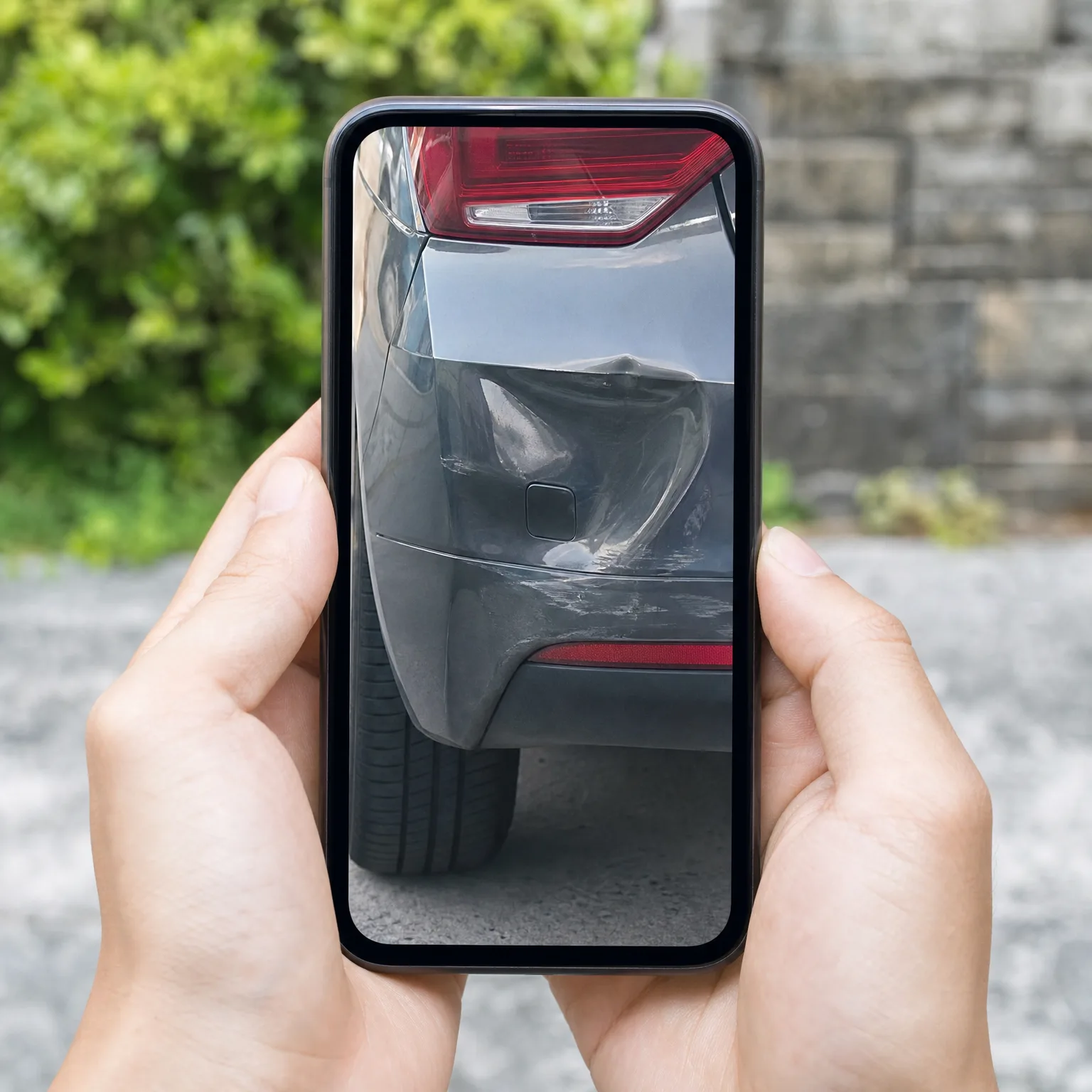
You borrow a friend's car to move some furniture, with their okay, and you back into a post in a parking lot. There's damage to the bumper and no one else is hurt. You exchange information, take photos, and call your friend right away to tell them what happened before anything else moves forward.
Your friend files the claim with their own insurer, since the policy follows the car and they're the owner. Their insurer asks whether you had permission, your friend confirms it, and the claim goes through as a permissive use case. The repair gets paid through their policy. Because you don't have your own policy yet, there's no second layer behind it, so you and your friend agree you'll get your own coverage before borrowing the car again, especially since you'll likely drive it more as you get comfortable behind the wheel.
Once you know whose policy responds first, compare quotes that make sense for how often you'll actually be driving.
Why coverage follows the car before it follows you
Car insurance is built around the vehicle because that's the thing being insured against damage and liability. The policy on the car is underwritten based on that specific car, how it's used, and who the owner says will drive it. That's why, in almost every state, the owner's policy is the first one asked to pay when something goes wrong, regardless of who was behind the wheel.
Permission is the hinge the whole thing turns on. If the owner allowed you to drive, insurers treat you as a permissive user and extend the same coverage to you that the owner has. If you didn't have permission, that protection usually disappears, and you could be personally on the hook for the damage. This is also why telling the truth about permission matters more than it might seem to in the moment.
Your own insurance, if you have any, works as a second layer rather than a replacement. It only matters if the damage or injury costs more than the owner's policy covers, or if the owner's policy excludes something that yours doesn't. If you don't carry a policy yet, this second layer simply isn't there, which is fine for occasional borrowing but becomes a real gap if you're driving other people's cars often.
Where this changes is in how often you drive the car. Insurers distinguish between someone borrowing a car once in a while and someone who drives it regularly enough that they should be listed as a driver on it. If you're new to driving and borrowing a car frequently while you build experience, check with the owner's insurer about whether you need to be added, because the occasional use rules won't cover a routine arrangement.
The car's policy covers you while borrowing it, but only with permission and only up to its limits.
Do I need my own car insurance if I only drive other people's cars?
Not always, but it depends on how often and how predictably you drive. If you borrow a car once in a while with the owner's permission, their policy typically covers you as a permissive user, and you may not need your own policy just for that.
If you're driving borrowed cars regularly, as a newer driver building up time behind the wheel often does, insurers start to expect you to have your own coverage or be listed on the car's policy. The occasional-use assumption breaks down once it's a routine. If you're unsure where you fall, ask the owner's insurer directly, since they can tell you how their policy defines occasional versus regular use, and that answer will tell you whether getting your own policy now makes sense.