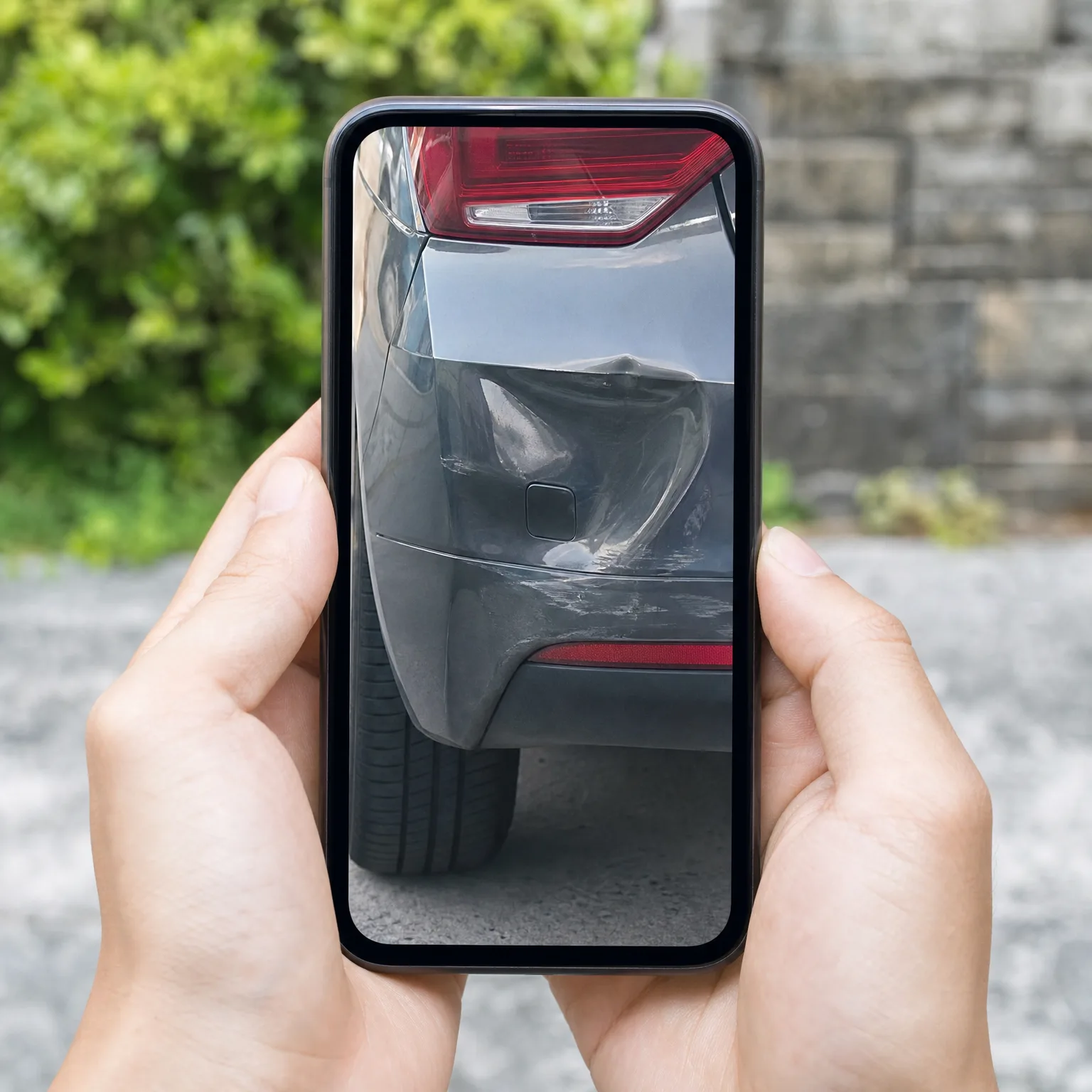
What Happens if I Let My Friend Drive My Car and He Crashes
In most cases your insurance pays first, because your policy follows the car, not the driver behind the wheel.
Your policy covers the car, so it answers first
Car insurance is built around the vehicle. The policy you bought insures that specific car against damage and injury claims, no matter who's driving it, as long as that person had your permission. So when you hand your friend the keys and he crashes, your insurer is typically the one that gets the claim first.
This surprises people because they assume insurance follows the person, the way a driving record does. It doesn't work that way for the vehicle damage and liability itself. Your friend's own insurance can still come into play, but usually only after your coverage is tapped out or if your policy excludes him for some specific reason.
The permission part matters more than people realize. If you actively said yes, you're on solid ground. If he took the car without asking, or if he's someone you've specifically excluded from your policy, the whole situation changes and his insurer, or even his own money, may have to cover it instead.
State rules and individual policies vary on the details, like how a claim against a non-owner driver gets handled or whether there's a separate process for occasional drivers. Check your policy's language on permissive use, and ask your insurer directly how they treat a crash caused by someone who isn't listed on your policy.

The short version
Your insurance pays first if your friend had permission to drive your car, because coverage follows the vehicle. The crash can still raise your rates even though you weren't driving. Before lending your car again, confirm your policy covers other drivers and ask your insurer how an incident like this would be handled.
Will my insurance rates go up because of his crash?
Yes, this is likely. Even though you weren't behind the wheel, the claim gets filed against your policy because your car was involved and your coverage paid out. Insurers price your policy based on the risk your car represents, and a crash is a crash regardless of who caused it.
How much your rate changes depends on the size of the claim and your insurer's specific rules, so there's no way to know the exact impact without asking them directly. Some insurers have programs that forgive a first claim, but that's not universal. Ask your insurer now, before you lend your car out again, how a claim from a permitted driver affects your specific policy and whether anything you're currently eligible for would soften the impact.
Now that you know your insurance pays first, compare quotes to see what that protection actually costs you.

Whether you let him drive
If you do
Your policy covers the crash and you deal with the claim, repair process, and any rate increase. Your friend may offer to help pay your deductible, but that's between you two, not something insurance arranges. Your relationship absorbs most of the friction here, not your coverage.
If you don't
You avoid the risk entirely, but you also need another way to get him where he's going. If he was asking to borrow the car for something urgent, saying no means figuring out a ride, a rental, or waiting until you're free to drive him yourself.
What actually determines who pays
- Permission to drive If you said yes, your insurance treats him like any driver you allowed. If he took the car without asking, that changes everything and you should report it as such.
- Your coverage limits Your policy pays up to its limits first. If damages exceed that, his own insurance or personal funds may need to cover the rest.
- Excluded drivers list If you specifically excluded him from your policy, your insurer may deny the claim. Check this list before lending your car to anyone regularly.
- Your deductible You're responsible for your deductible even though you weren't driving. Decide ahead of time whether you'd ask your friend to cover it.
- Rate impact afterward A claim like this can raise your premium at renewal. Ask your insurer how they handle claims caused by a permitted driver who isn't you.
Does my friend's insurance ever pay instead of mine?
Yes, but usually only as a backup. If your coverage limits are used up by the damages, his insurer can step in to cover what's left, since many policies extend some liability coverage to a driver using someone else's car. Check your own policy's limits and ask your insurer directly what happens if a claim exceeds them. This matters most after a serious crash with significant damage or injury, where your limits might not stretch far enough on their own.
Should I let friends drive my car at all?
That depends on how comfortable you are with the financial and relational risk, not on some fixed rule. Lending your car means you're accepting responsibility if something goes wrong, including a possible rate increase and your deductible. Ask your insurer whether occasional drivers affect your premium just by being allowed to drive, separate from any claim. If you lend your car often to the same person, consider whether adding them to your policy makes more sense than relying on permissive use each time.
What if my friend doesn't have a license?
This complicates things significantly and can affect whether your claim gets paid at all. Letting an unlicensed person drive your car may violate your policy's terms, since most insurers expect anyone driving to be legally licensed. Check your policy wording on this specifically, because an insurer could deny the claim or pursue you for costs if they determine you knowingly let an unlicensed driver take the wheel. This is one of the few situations where the answer isn't simply that your insurance covers it first.