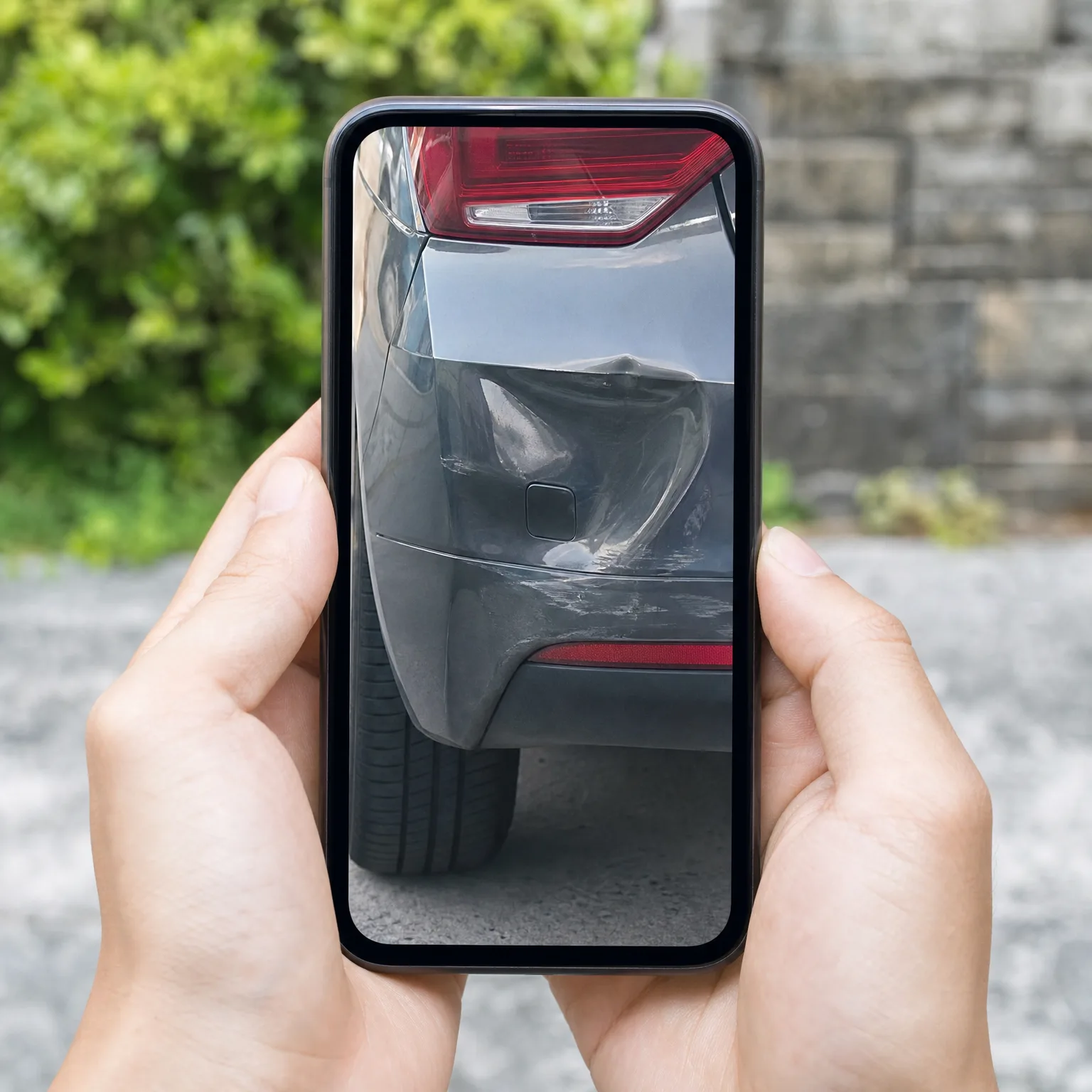
What Happens if Someone Else Crashes While Driving My Car
In most cases, your policy pays first because coverage follows the car, not the person driving it.
Your policy covers the car, so it responds first
Car insurance is built around the vehicle. When you buy a policy, you're insuring that specific car against damage and against the liability it might cause, no matter who is behind the wheel at the time. That's why, if a friend or relative borrows your car with your okay and crashes it, your policy is usually the one that pays for the damage and for any injuries or property damage they caused to someone else.
The driver's own insurance can still come into play, but typically only after yours, if the costs go beyond what your policy covers. Insurers call this layering, where your coverage is primary and the driver's policy becomes secondary, filling in the gap. The driver's driving record generally doesn't get touched either, since the claim is tied to your policy, not theirs.
This depends on permission. If you handed over the keys or the person regularly drives your car with your knowledge, you're covered. If someone took your car without asking, that's a different situation entirely, and your insurer may treat it more like a theft than a routine accident, which changes what they'll pay and how they investigate.
The details shift by state and by insurer, especially around how much say you have in who's considered a permitted driver, and whether letting someone drive regularly changes your premium or requires you to list them. Check your policy's language on permissive use, and ask your insurer directly if you're unsure who counts as covered.

What to check before you hand over your keys
- Permissive use Most policies cover anyone you've given permission to drive your car. Confirm this is explicit in your policy, not just assumed.
- Your claim, your record The accident usually goes on your record and can affect your future rates, even though you weren't driving. Ask your insurer how claims involving other drivers are handled.
- Regular drivers need listing If someone drives your car often, like a partner or roommate, insurers may want them listed on your policy. Check your insurer's rule on this to avoid a denied claim.
- Unauthorized use is different If someone drove your car without your permission, coverage may not apply the same way. Report this clearly to your insurer so they investigate it correctly.
- Their insurance can help too If damages exceed your coverage, the driver's own policy may step in as secondary coverage. Ask them to report the claim to their insurer if costs run high.
The car carries the coverage, so who you hand your keys to matters more than you think.
Once you know your coverage follows the car, compare quotes that protect it properly.
Will letting someone else drive my car raise my insurance rates?
It can, but only if there's a claim. Simply letting a friend or family member borrow your car doesn't affect your rate by itself. Insurance companies price your policy based on expected risk, and that includes who regularly has access to your car.
If the person who borrows your car causes an accident and a claim gets filed, that claim is typically tied to your policy, which means it can affect your future premiums the same way as if you'd been driving. This is true even though your own driving record stays clean. If someone drives your car often, insurers may ask you to list them, which could change your rate upfront, but that's different from a one time loan of your car. Ask your insurer how occasional versus regular use is treated differently.

Does my insurance cover a rental car if someone else is driving it?
It depends on your policy and the rental agreement. Some personal auto policies extend to rental cars under the same terms as your own vehicle, including permissive use, but rental companies often have their own rules about who's allowed to drive. Check both your policy and the rental contract before you hand over the keys.
What if the person driving my car isn't listed on my policy?
They're often still covered under permissive use, as long as you gave them permission to drive. Problems arise if they drive your car often without being listed, since insurers may argue you should have disclosed them. Ask your insurer how occasional borrowers are treated versus regular drivers who need to be added.
Should I add my partner or roommate to my car insurance policy?
You should if they drive your car regularly, since insurers often require regular drivers to be listed to keep coverage valid. This protects you from a denied claim if they're involved in an accident. Check your insurer's specific definition of regular use, since that threshold varies.