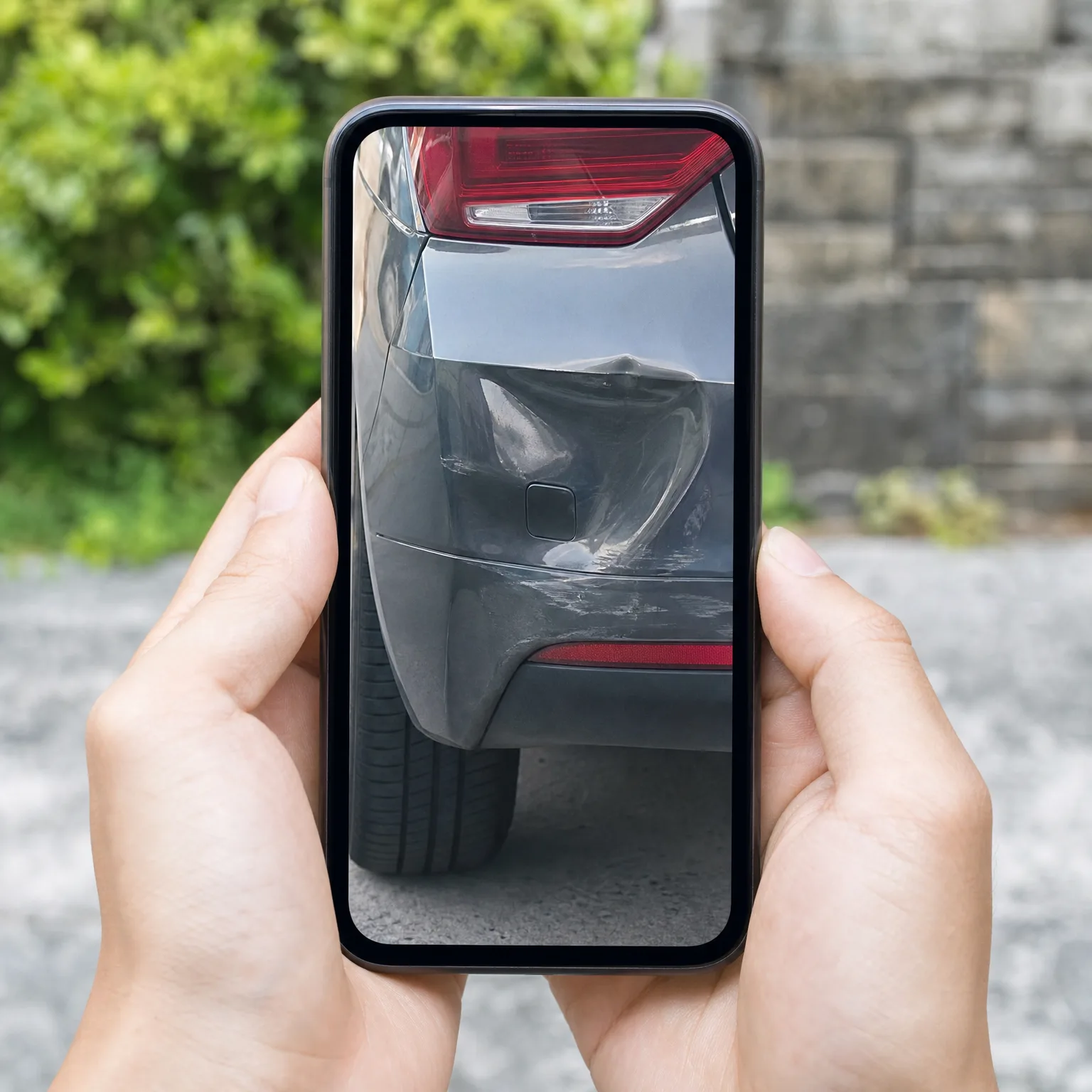
What Happens if the Car Is Insured but the Driver Is Not
The policy covers the car, but most insurers still expect the driver behind the wheel to be named or at least permitted on it.
Coverage follows the car, but permission follows the driver
Car insurance is built around the vehicle, which is why a policy can cover different people driving the same car over time. But insurers also write terms around who they expect to be driving, and those terms matter the moment a claim happens. If someone drives the insured car without being named on the policy or without being a reasonable, occasional user the insurer would expect, the company can look closely at why that person was driving at all.
Most policies have room for occasional drivers. If you borrow a friend's car once, or a household member drives it now and then, that's usually anticipated and covered. The trouble starts when someone drives the car regularly without being added, because insurers price policies based on who actually uses the car most. A driver who's quietly become the main user but isn't listed can be seen as undisclosed risk, and that can affect how a claim is handled.
This is where your situation matters directly. As a newly licensed driver without a history, you might be tempted to just drive a family member's or partner's insured car without being added, thinking the car's coverage is enough. Sometimes it is, especially for occasional use. But if you're driving often, commuting, or the car is really "yours" in practice, insurers expect you to be named, and not doing so can create real problems later.
What counts as occasional versus regular, and how strictly insurers enforce this, varies by company and by state. Some states have rules about permissive use that protect occasional drivers more than others. Check your specific policy's language and ask the insurer directly how they define it, because assuming you're covered is the riskiest part of this whole situation.
What actually happens depends on who was driving and why
- Occasional use is usually fine If you borrow the car rarely and have permission, most policies extend coverage to you automatically. Confirm this with the policyholder's insurer rather than assuming.
- Regular use needs disclosure If you're driving the car often, the insurer expects you to be listed. Ask to be added as a named driver if this describes you.
- Claims can be delayed or denied An insurer may investigate harder if the driver wasn't disclosed and was a regular user. Being upfront before a claim happens avoids this entirely.
- Your record still builds Driving as a named or occasional driver on someone else's policy can still count toward your experience. Ask the insurer if this will be reflected if you switch to your own policy later.
- Your own policy may help If you're driving a lot, a policy in your name builds your own record faster and avoids disputes. Compare the cost of being added versus starting your own coverage.

Once you know whether you should be named on the policy or need your own, compare quotes to see which path costs less.

Telling the insurer you're the one driving
If you do
You disclose that you're regularly driving the car and ask to be added. The insurer adjusts the policy, maybe the price changes, but if anything happens, the claim moves forward normally because everything matches what the insurer was told.
If you don't
You keep driving without being listed, assuming the car's coverage is enough. If a claim happens, the insurer may investigate your use of the car, question why you weren't disclosed, and potentially delay or deny coverage based on what they find.
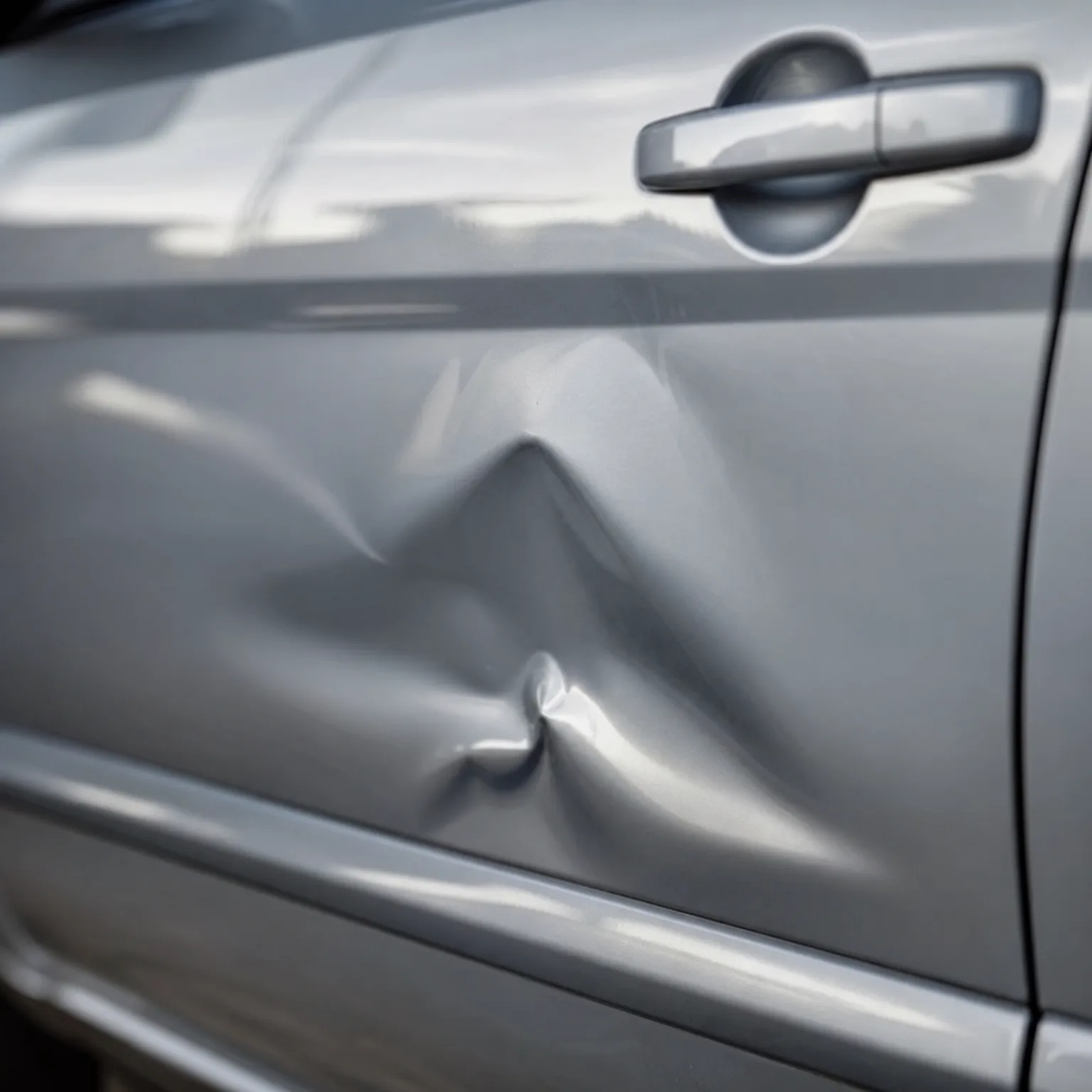
A new driver using a parent's car every day
Say you just got licensed at thirty-two and your parent has an older car sitting unused. They offer to let you drive it while you figure out whether to buy your own. At first this feels occasional, a few trips a week, so neither of you think to call the insurer. But within a month you're using it daily to commute, and it's effectively become your car.
Your parent calls the insurer and explains the situation. The insurer asks a few questions about how often you drive it and adds you as a named driver on the policy. The price changes a little to reflect that there are now two drivers, one with no history. But a few weeks later you're in a minor fender bender. Because you were properly disclosed, the claim goes through without complication, and the incident becomes part of your own emerging driving record instead of a dispute about who was really driving the car.
The car being insured was never the question. Whether you were supposed to be behind the wheel is.