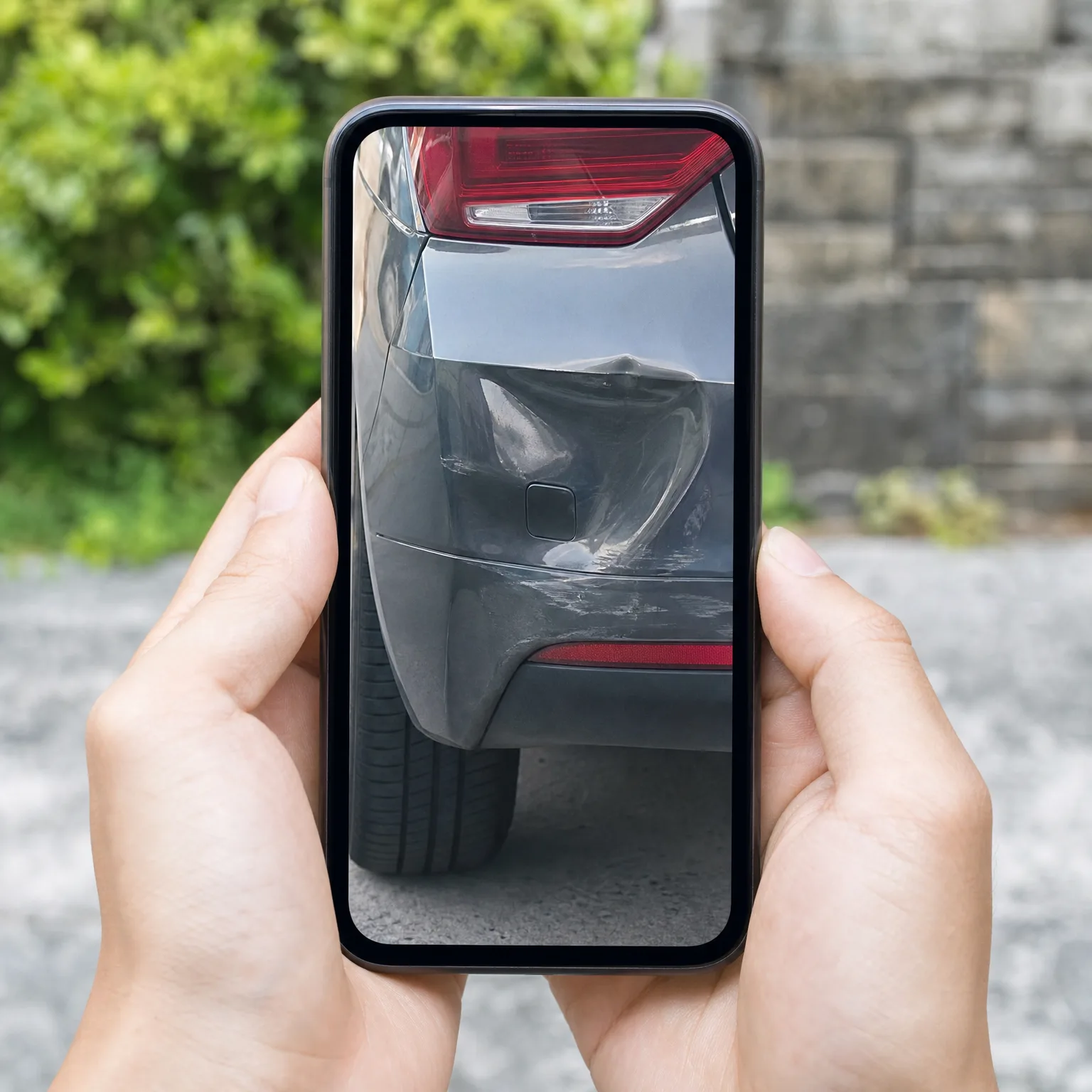
What Happens if You Crash a Loaner Car
Your own car insurance usually pays first, even though you weren't driving your own car.
Your policy follows you, not the car you're driving
Car insurance in most cases is written around the driver, not the vehicle. That surprises a lot of people, but it means the coverage on your own policy, including liability and collision if you carry it, typically extends to a loaner car the same way it would to your own. The loaner's owner, whether that's a dealership, repair shop or a friend, usually has their own insurance too, and that policy is often treated as secondary, stepping in only if your coverage runs out or doesn't apply.
This matters a lot if you're newly licensed. If you only carry the minimum liability your state requires, and you don't have collision coverage on your own policy, you may have no coverage at all for damage to the loaner itself. Liability pays for damage you cause to other people or property, not for the car you're driving. That gap is easy to miss when you're excited to just be driving and haven't thought through what each piece of your policy actually does.
Who pays first can also depend on the kind of loaner. A dealership loaner while your car is being serviced is usually covered by the dealership's commercial policy as the primary layer, with your personal policy as backup. A car borrowed from a friend works differently, since their personal policy is primary and yours is secondary. Rental cars from a rental company are their own category, often requiring a separate conversation with your insurer or a decision about rental coverage add-ons.
Because the details depend on your state's rules and the exact wording of both policies involved, the only way to know your real exposure is to call your insurer before you ever take the keys. Ask directly what applies to a loaner, what the deductible would be, and whether you need to add anything.
What to check before you drive someone else's car
- Confirm you're covered Most personal policies extend to vehicles you drive with permission, but not all do. Call your insurer and ask specifically about loaner, borrowed or dealership cars before you drive one.
- Know your deductible If you cause damage, you may owe your own policy's deductible even though it wasn't your car. Ask what that amount is so a crash doesn't come with a surprise bill.
- Check for collision coverage Liability alone won't pay for damage to the loaner itself. If you don't have collision coverage, ask whether you need it before taking the car, especially for an expensive loaner.
- Ask who pays first Dealership loaners are usually covered first by the dealership's policy, friends' cars put your policy second. Knowing the order avoids confusion if a claim happens.
- Get it in writing when possible If a shop or dealership gives you a loaner, ask for a short written note on what their insurance covers and what they expect from you. It protects you if there's a dispute later.

Should you call your insurer before driving a loaner
If you do
You find out exactly what's covered, what your deductible would be, and whether you need extra protection. If something happens, you already know who pays first and what to expect. No surprises, no guessing, and you can drive with actual confidence instead of hoping it works out.
If you don't
You're driving on assumptions. If you crash, you may discover gaps you didn't know existed, like no coverage for damage to the loaner itself. You could end up owing money directly to the car's owner while also dealing with your own insurer, all while still new to driving.
Once you know how your policy handles a loaner, compare quotes to make sure your coverage actually protects you.
A new driver borrows a car while hers is in the shop
Her car needed repairs after a minor fender bender, and the shop offered a loaner so she could keep driving to work. She'd only had her license a few months and wasn't sure what would happen if she damaged someone else's car, so before taking the keys she called her insurer. They confirmed her liability coverage would extend to the loaner, but she didn't have collision coverage on her own car yet, so if she damaged the loaner itself, she'd have no coverage for that.
She asked the shop directly what their policy covered, and they confirmed their insurance was primary for damage to the loaner, which meant she wasn't as exposed as she'd feared. She still added collision coverage to her own policy for peace of mind since she was planning to keep driving regularly anyway. Nothing happened during the week she had the loaner, but she said afterward that knowing the answer ahead of time let her actually drive normally instead of white-knuckling every turn, worried about what a small mistake might cost her.

Does crashing a loaner car raise your own insurance rates?
It can, because in most cases the claim gets filed against your own policy if you're the one driving and responsible for the crash. Insurers generally look at who was at fault and whose policy paid, not which specific car was damaged. If you're found at fault in a loaner car, that's treated much like being at fault in your own car when it comes to future pricing.
This is especially worth knowing if you're a new driver still building a record, since you don't have years of clean driving to soften the impact of one claim. Rules vary by insurer and by state, so ask directly how an at-fault claim in a loaner would be recorded and whether it would be treated differently from a claim in your own vehicle. Some insurers draw a distinction, most don't.