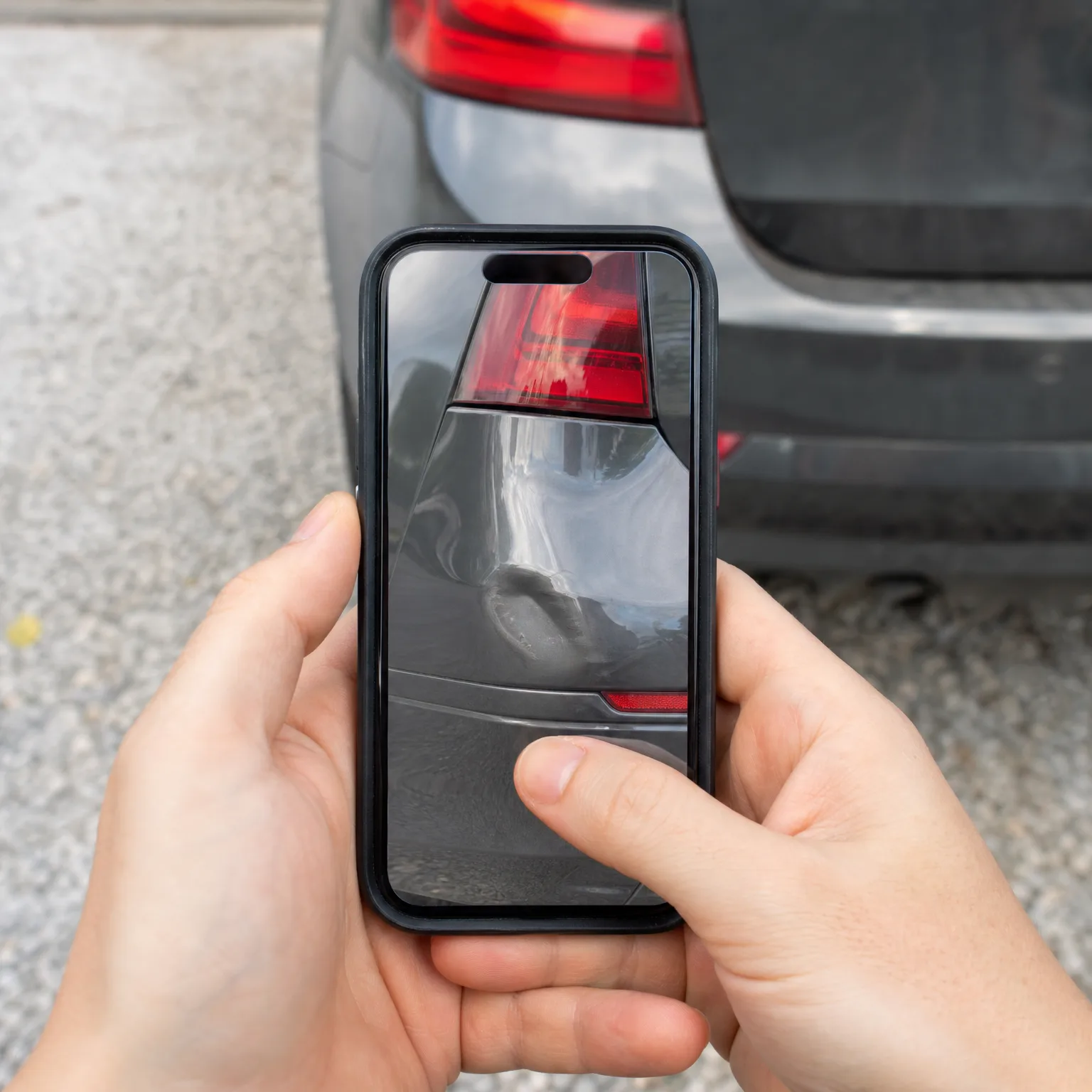
What Happens if You Fight a Traffic Ticket and Lose
If you fight a ticket and lose, you'll typically owe the original fine plus added court costs, and the violation still goes on your record.
Why losing costs more than just not fighting at all
When you contest a ticket, you're asking a court to formally review the citation instead of just accepting it. That review has a cost built into the system, separate from the fine itself. If the judge or hearing officer rules against you, you're still responsible for the original fine, and in many courts you also owe processing or court fees that wouldn't have applied if you'd simply paid the ticket early on.
The violation itself doesn't get softened because you tried to fight it. Losing a contested case puts the same conviction on your record as if you'd paid the ticket without a fight on day one. Your driving record and insurance history treat the outcome the same way either path leads to.
What changes the math is why you contested it. If you had a real factual dispute, a wrong vehicle description, mistaken identity, or an officer error, the hearing is worth it because you might actually win and avoid the record entirely. If you were contesting just to delay payment or hoping the officer wouldn't show up, losing is the likely outcome, and you've added cost for a low chance of benefit.
Some courts offer reduced charges or alternative outcomes during the hearing process itself, even if you don't win outright. This varies a great deal by jurisdiction, so it's worth checking with your local traffic court about what options exist before you decide whether a hearing is worth your time.

A driver contests a speeding ticket and the judge rules against them
Someone gets a speeding ticket they believe was based on a faulty radar reading. They decide to contest it, take time off work for the hearing, and present their case. The officer shows up with calibration records for the equipment, and the judge finds the citation valid. The driver now owes the original fine plus the added court costs from the hearing itself.
The violation goes on their driving record exactly as it would have if they'd paid the ticket the day they received it. When their insurance renews, the company sees the same speeding conviction either way, there's no indication on the record that the ticket was contested. The only lasting difference is the extra money spent on court fees and the time taken off work, with no change to how the violation affects their insurance going forward.

Once you know what a lost ticket fight costs, compare quotes to see how the violation will affect your own rate.
Does fighting a ticket and losing look worse to insurers than just paying it?
No. Insurers see the same violation on your record either way, they don't see whether you contested it or paid it immediately. What matters to them is the conviction itself, the type of violation, and how serious it was, not the path that led to the record.
The only practical downside to losing a contested ticket is the added court costs and your time, not a worse insurance outcome. If you're deciding whether to fight a ticket, don't factor in a fear that losing will look worse to your insurer than simply paying up front, because it won't. Base that decision only on whether you think you have a real chance of winning.
What actually changes if you lose your hearing
- Added court costs Beyond the original fine, most courts charge fees for processing a contested hearing. Check with your local court clerk beforehand so you know the full cost if you lose.
- Record stays the same Losing means the same conviction appears on your driving record as if you'd paid the ticket immediately. There's no separate category for a fine you fought and lost.
- Insurance treats it equally Insurers look at the violation type and date, not whether you contested it. Don't expect a penalty for having fought and lost beyond what the ticket itself carries.
- Reduced outcomes still possible Even after a hearing, some jurisdictions let you negotiate a lesser charge or diversion option. Ask the court directly what alternatives exist before your hearing date.
- No undoing it afterward Once a judgment is entered against you, that outcome is final for that citation. Decide upfront whether your case is strong enough to justify the time and cost.
Can I still negotiate a lesser charge after I've already lost a traffic court hearing?
Generally no, once a judge rules against you the case is closed. Negotiation for reduced charges typically happens before or during the hearing, not after a ruling. Some courts allow appeals within a limited window, so check with the court clerk about appeal procedures and deadlines if you believe the ruling was wrong.
Will a ticket I lost in court show up differently on my record than one I just paid?
No, both show up as the same type of conviction on your driving record. Courts and motor vehicle agencies record the outcome, a conviction, not the process that led to it. Check your state's record retrieval system if you want to see exactly how it's listed, but expect no distinction between contested and uncontested violations.
Is it worth hiring a lawyer for a traffic ticket if I might lose anyway?
It depends on the violation's severity and what's at stake beyond the fine itself. For minor violations, a lawyer's cost may exceed any benefit, but for serious charges that risk license points or major record impact, a lawyer may improve your odds or negotiate a better outcome. Ask a local traffic attorney for a case assessment before deciding.