
What Happens if You Get into an Accident with a Financed Car
Your insurance pays to repair or replace the car, but your loan doesn't disappear just because the car is damaged.

What actually happens after the accident
- The lender gets paid first Any payout for a totaled car goes to your lender before you see a cent. If the payout is less than what you owe, you still owe the difference.
- Your loan keeps going A wrecked or totaled car doesn't cancel your loan. You keep making payments even if you no longer have a working car to drive.
- Your coverage choice matters now If you only carry liability, damage to your own car isn't covered at all. Check whether your policy includes collision and comprehensive, since lenders usually require it.
- Gap coverage fills the gap If you owe more than the car is worth, standard insurance won't cover that difference. Ask your insurer or lender whether you have this coverage before you need it.
- The lender is named on the claim Insurers usually list the lender as a loss payee on a financed car. Expect the lender to be contacted directly and involved in how the claim gets settled.
What if the payout is less than I still owe on the loan?
This is the situation gap coverage exists for. Without it, you pay the difference out of pocket, in a lump sum or by continuing payments on a loan for a car you no longer have.
Check your paperwork now, before anything happens. Some loans include gap coverage automatically, some insurers offer it as an add-on, and some states have rules about how it's sold or required. If you don't have it and you owe close to or more than the car is worth, this is worth fixing before you're in a claim, not after.
If you do have it, the gap coverage pays your lender the difference between the payout and the loan balance, so you're not left paying for a car that's gone. Confirm the details with your insurer so you know exactly what it covers.

Once you know what coverage your loan requires, compare quotes that include it instead of guessing at the minimum.

Carrying only the state minimum on a financed car
If you do
You pay less now, but after an accident you may owe your lender for a car you can't drive. Repairs or replacement come from your own pocket. If the lender finds out you dropped required coverage, they can add their own, usually at a much higher cost to you.
If you don't
You carry the collision, comprehensive, and gap coverage your loan calls for. An accident still costs you a deductible and some hassle, but your lender gets paid, your car gets fixed or replaced, and you're not stuck covering a gap out of pocket.
Why the lender gets protected first
When you finance a car, the lender owns part of it until the loan is paid off. That's why your loan agreement usually requires specific coverage, not just whatever the state minimum happens to be. The lender wants to know that if the car is damaged or destroyed, there's money to repair it or pay off what's owed, regardless of what you can personally afford at that moment.
This is also why the lender is listed on your policy as a loss payee. Insurance claims on a totaled or heavily damaged car don't pay you directly in that case. The check goes toward the loan balance first, and anything left over comes to you. If nothing is left over, you get nothing, and if the loan balance was higher than the payout, you still owe the rest.
Cars lose value faster than many loans get paid down, especially in the early years. That's the entire reason gap coverage exists. Without it, a totaled car in year one or two of a loan can leave you owing thousands toward nothing. With it, the gap gets paid and you walk away clean.
Where this plays out differently is based on your loan terms and your state. Some lenders require gap coverage upfront and build it into the loan. Some states regulate how gap coverage is sold or whether it can be bundled into the loan itself. Check your loan agreement and your policy declarations page together, since the coverage your lender requires and the coverage you actually carry don't always match until you check.
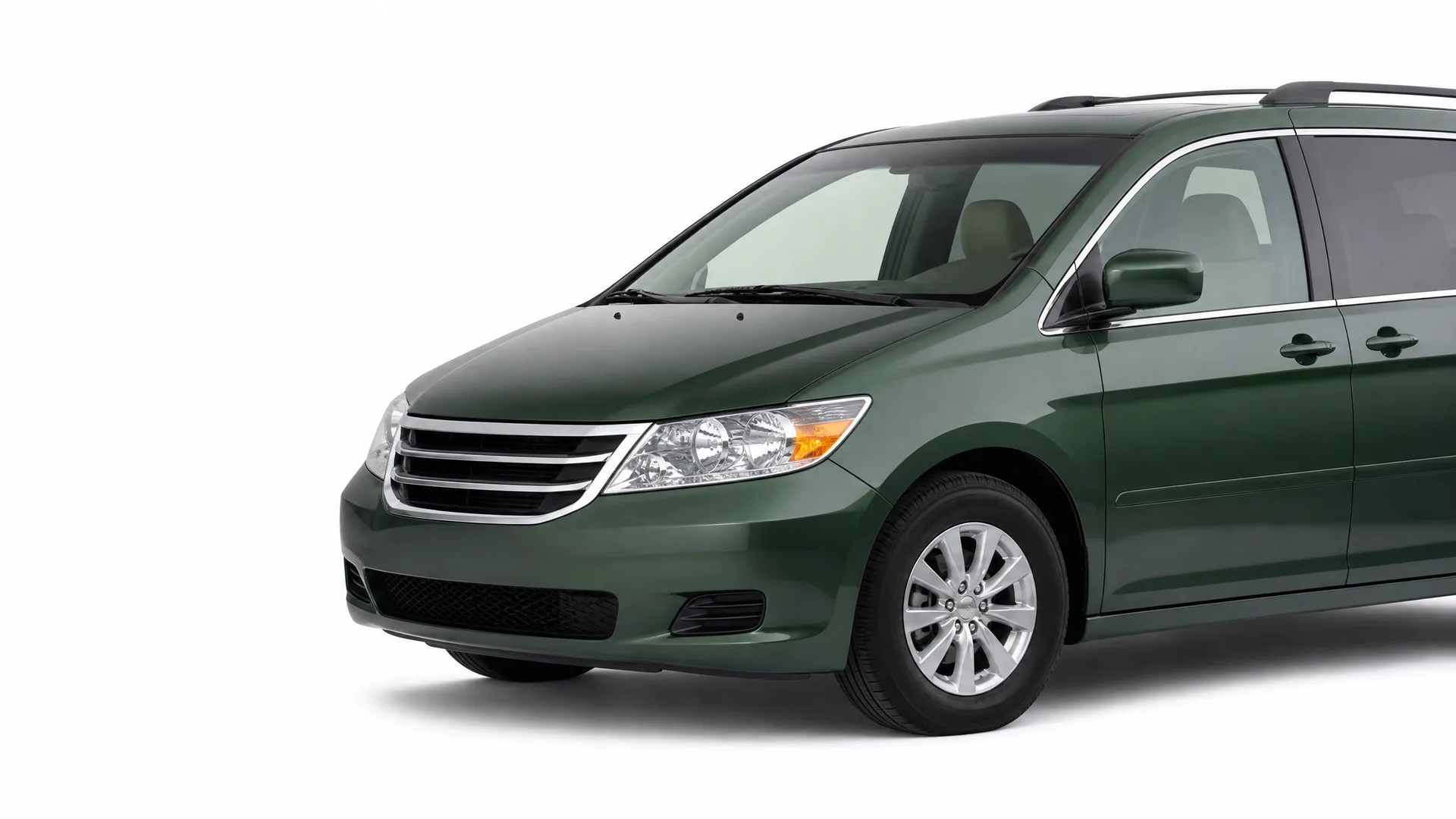
The car isn't fully yours yet, so protect the loan, not just the car, when you choose coverage.