What Happens if You Get Pulled Over in Your Friends Car
The officer checks your license and the car's registration and insurance, and usually the car's own policy is what responds, not yours.
The policy follows the car, and your license just has to be valid
Car insurance in almost every state is tied to the vehicle, not to the person driving it. That means if your friend's car is insured, that policy is generally the one that responds if you're pulled over or if something happens while you're driving it, as long as your friend gave you permission to drive. The officer's main concern is whether you hold a valid license and whether the car itself is properly registered and insured.
Where this gets more complicated is if you don't have a license yet, or if your license has restrictions tied to your experience level, like needing a licensed adult in the car. A newer driver with a very short driving history can face more scrutiny here, not because the officer assumes bad intent, but because an unfamiliar name behind the wheel of someone else's car sometimes prompts more questions.
Insurers also have their own rules about who's covered to drive a car, separate from what a traffic stop checks. Most personal auto policies extend coverage to someone borrowing the car occasionally with permission, but if you drive that friend's car often, some insurers expect that friend to list you as a regular driver. This matters less at the moment of a traffic stop and more if a claim ever gets filed.
The state you're in changes some details, like what documents you need to show and how license restrictions are enforced. Ask your friend to check their policy's language on permissive use, and check your own state's rules on what a newer license allows, since both vary and neither is something to guess about.
Borrowing a friend's car for the first time
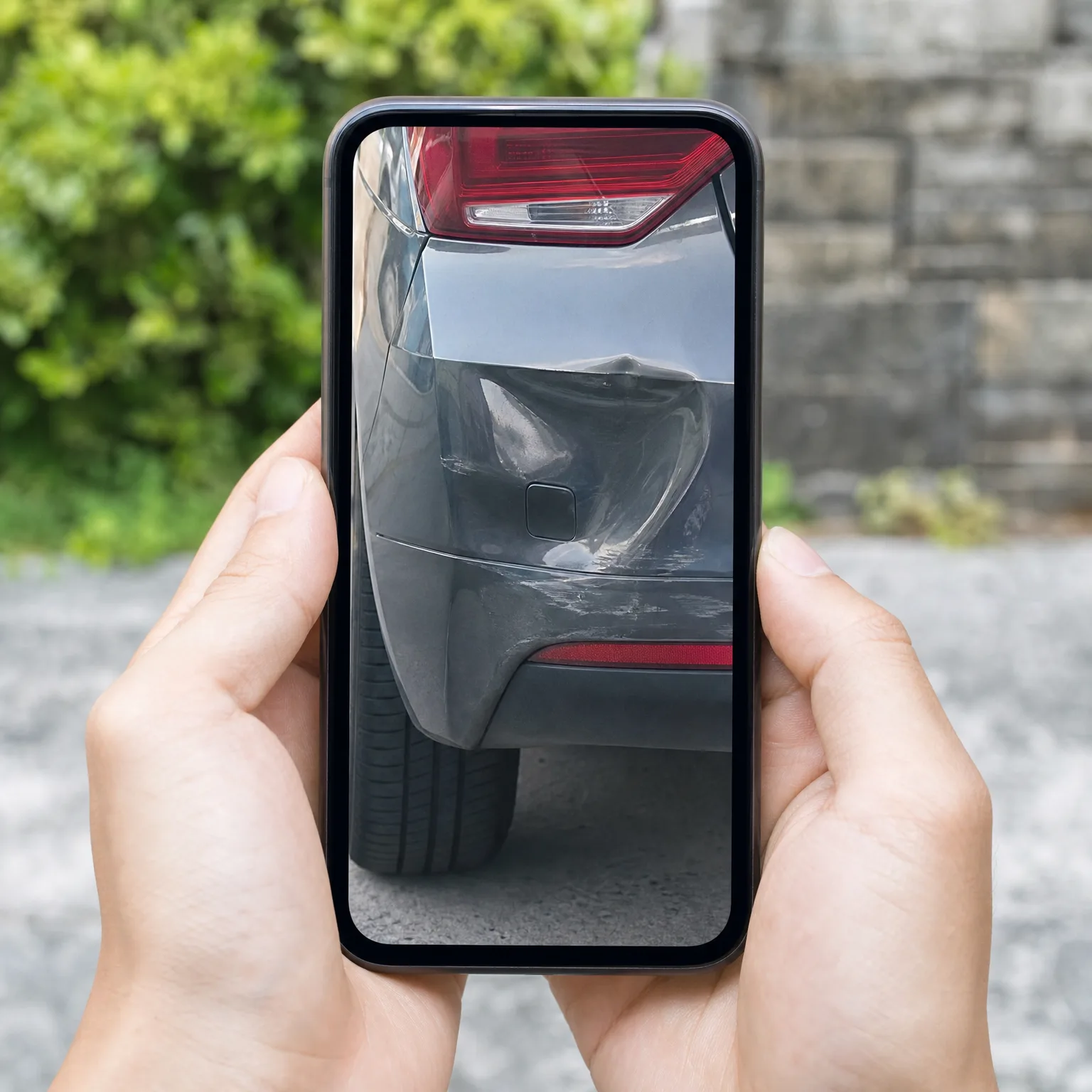
Say you're thirty-two, got your license a few months ago, and don't own a car yet. A friend lends you theirs for the weekend while you look for one. You get pulled over for a burned-out taillight. The officer asks for your license, the registration, and proof of insurance, all of which are in the glove compartment or on your friend's phone, which they sent you a photo of before you left.
You hand over everything calmly. The officer runs your license, confirms it's valid, checks the registration matches the car, and sees the insurance is active under your friend's name. Since you had permission to drive and nothing about the stop raises concern, you get a warning about the taillight and go on your way. Nothing about the stop touches your own insurance record, because the policy that responded was never yours to begin with.

Once you know whose policy responds when you're behind the wheel, compare quotes to see what it costs to carry your own.
What matters most if you're driving a borrowed car
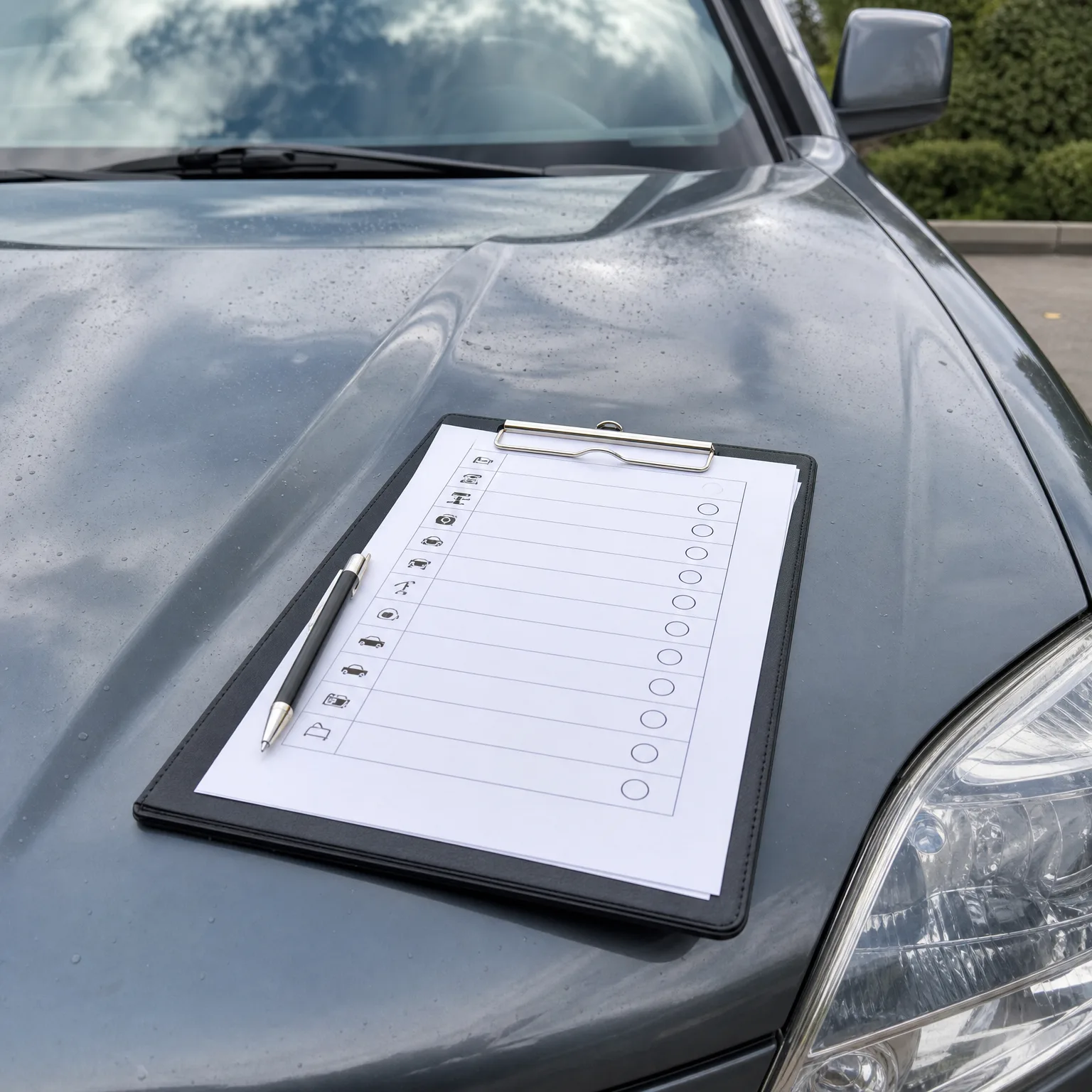
- Permission counts If your friend said yes, you're almost always covered under their policy. Keep a text or message confirming it, just in case anyone asks later.
- Your license still matters The officer checks that your license is valid and current, regardless of whose car it is. Make sure any restrictions on your license, like supervised driving, are met before you borrow a car.
- Frequent use changes things Borrowing a car once is different from driving it every week. If that's your situation, your friend should check whether their insurer expects you listed as a driver.
- Carry proof of insurance Always have the car's insurance card or digital proof with you, not just the registration. Ask your friend to share it before you drive, not after you're stopped.
- Clean stops help later A pulled-over moment that ends with no ticket won't affect your own insurance record at all. Driving carefully, even in someone else's car, still builds the history insurers eventually reward.

A borrowed car's insurance protects you more than most assume, so don't let that stop you from driving.
Does driving a friend's car affect my own insurance rates later?
Not directly. A single traffic stop with no ticket or incident has no effect on your insurance history, since nothing gets reported to insurers. What builds your record is your own policy over time, along with any violations or claims tied to your name.
If something does happen while driving a friend's car, like an accident, it could show up on your record as the driver, even though their insurance pays first. That's the scenario worth understanding before you borrow a car regularly. For occasional, careful use, it's not something to worry about, but if you're driving someone else's car often, getting your own policy started sooner tends to work in your favor.